
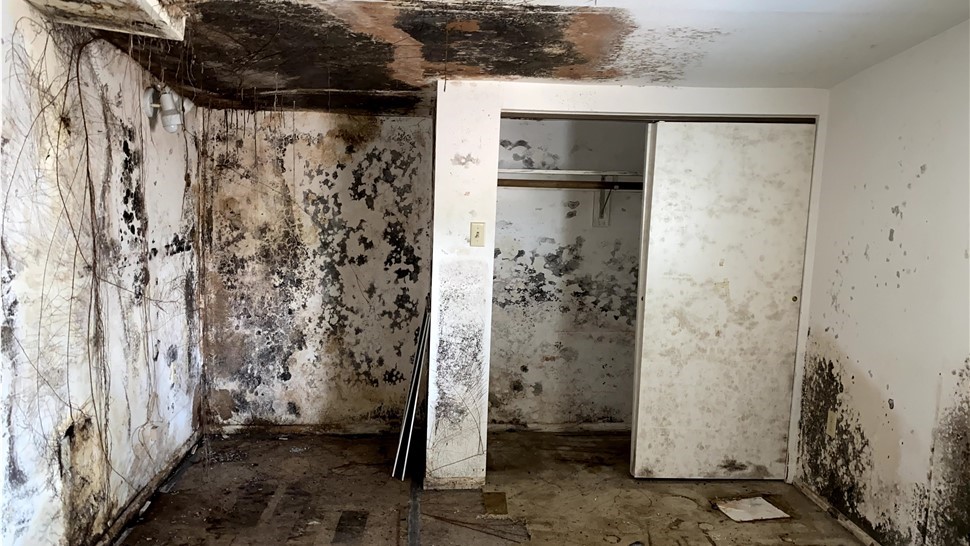
Satellite Beach Black Mold Removal After Water Damage: Warning Signs and Prevention
Water damage in Satellite Beach homes can escalate quickly. A summer storm pushes wind-driven rain through roof flashing. A plumbing leak goes unnoticed under a sink. A clogged AC drain line overflows into drywall. In Florida’s coastal humidity, moisture doesn’t simply evaporate — it lingers.
When materials remain damp, black mold can develop in as little as 24 to 48 hours. In beachside communities like Satellite Beach, the combination of salt air, high humidity, and heavy rainfall creates ideal conditions for hidden mold growth after water intrusion.
Understanding the warning signs early — and knowing how proper black mold removal works — helps homeowners protect both structural integrity and long-term indoor stability.
Why Water Damage in Satellite Beach Often Leads to Mold
Satellite Beach sits directly along the Atlantic coast. Homes here are constantly exposed to:
High humidity
Frequent thunderstorms
Salt-air corrosion
Hurricane-force winds
Intense seasonal rainfall
When water enters a home, drying can take longer than expected. Even if visible surfaces appear dry, moisture can remain trapped inside:
Wall cavities
Ceiling voids
Insulation
Baseboards
Subfloors
Older homes and properties with attic-installed duct systems are especially vulnerable.
Homes in nearby Cocoa Beach and Indian Harbour Beach experience similar environmental pressures, but individual construction styles influence how moisture spreads.
Early Warning Signs of Black Mold After Water Damage
Black mold rarely appears overnight in large visible patches. It usually starts with subtle clues.
Persistent Musty Odor
If a musty smell lingers days after water damage cleanup, hidden moisture may still be present.
Odor is often the first indicator of developing mold.
Dark Staining on Walls or Ceilings
Discoloration along drywall seams, ceiling corners, or baseboards may signal long-term dampness.
Stains that gradually darken require investigation.
Bubbling or Peeling Paint
Moisture trapped behind painted surfaces can cause paint to bubble or peel.
This often indicates water penetration behind drywall.
Warped Trim or Baseboards
Swelling wood trim suggests water absorption at the lower wall level.
Elevated Indoor Humidity
If indoor humidity remains above 60 percent after repairs, drying may be incomplete.
Monitoring humidity with a hygrometer provides accurate readings.
Common Water Damage Sources in Coastal Homes
Black mold removal often begins with identifying how water entered.
Common sources include:
Roof leaks after storms
Compromised flashing
Sliding glass door leaks
Plumbing failures
AC condensate overflow
Storm surge in low-lying areas
Even minor leaks can lead to hidden moisture accumulation in Florida’s climate.
Confirming the water source has been fully resolved is critical before remediation begins.
Palm Bay Mold Removal frequently begins Satellite Beach projects with moisture mapping to verify stabilization.
Why Surface Cleaning Is Not Enough
Wiping visible mold off drywall does not address contamination inside porous materials.
Black mold often penetrates:
Drywall
Insulation
Carpet padding
Wood framing
Surface cleaning may temporarily improve appearance but does not eliminate embedded growth.
Proper removal involves containment and structural drying.
Step 1: Professional Mold Inspection
Inspection determines the scope of contamination.
This may include:
Visual assessment
Moisture meter readings
Thermal imaging
Attic evaluation
HVAC inspection
Attics are common mold development zones after roof leaks.
Surface dryness does not confirm internal dryness.
Accurate inspection guides effective remediation.
Step 2: Containment of Affected Areas
Containment prevents spores from spreading during removal.
Plastic barriers isolate work areas. Negative air pressure systems may be used.
HEPA filtration units help maintain indoor air quality.
Open floor plan homes common in Satellite Beach require careful airflow control.
Step 3: Removal of Contaminated Materials
Porous materials heavily impacted by mold often require removal.
These may include:
Drywall
Insulation
Carpet padding
Ceiling panels
Wood trim
Structural framing can often be cleaned if contamination is limited to surface growth.
Complete removal prevents ongoing moisture retention.
Step 4: Cleaning and Structural Treatment
After removal, structural surfaces are cleaned thoroughly.
HEPA vacuuming removes residual particles.
Targeted cleaning methods are applied where appropriate.
Odors typically improve once contaminated materials and moisture are eliminated.
Step 5: Structural Drying and Humidity Stabilization
Drying is critical in Florida’s humid climate.
Commercial dehumidifiers and air movers reduce moisture inside framing and subfloors.
Humidity must remain below 60 percent to prevent regrowth.
Moisture readings confirm stabilization before rebuilding begins.
Rushing reconstruction traps residual moisture.
HVAC and Duct Considerations
Water damage can impact HVAC systems.
Inspection should include:
Clearing condensate drain lines
Replacing filters
Evaluating duct insulation
Ensuring airflow balance
Damp duct insulation may require replacement.
Maintaining airflow reduces condensation risk.
Preventing Future Black Mold Problems
Prevention requires proactive maintenance.
Inspect roofing annually.
Seal exterior penetrations.
Maintain plumbing systems.
Monitor indoor humidity levels.
Improve attic ventilation.
Inspect attics after storms.
Installing water detection sensors near appliances provides early warning.
Addressing small leaks immediately prevents larger remediation projects later.
Slab Foundations and Coastal Moisture
Many Satellite Beach homes sit on slab foundations.
After heavy rainfall, groundwater may rise.
Moisture can migrate upward into lower drywall sections.
Professional moisture detection confirms slab-related dampness.
Improving exterior drainage reduces risk.
Why Local Experience Matters
Coastal homes in Satellite Beach face environmental stress different from inland communities like West Melbourne or Palm Bay.
Salt air accelerates material wear. High humidity slows drying. Frequent storms increase moisture intrusion risk.
Professionals familiar with Brevard County housing styles understand common vulnerabilities in beachside properties.
Palm Bay Mold Removal has worked throughout Satellite Beach and surrounding communities, addressing black mold concerns specific to Florida’s coastal environment.
Acting Early Protects Your Home
Black mold removal after water damage in Satellite Beach is about identifying moisture pathways, removing contaminated materials, and stabilizing indoor humidity.
Ignoring early warning signs often leads to larger structural repairs and recurring problems.
By combining professional inspection, proper containment, structured removal, and proactive prevention, homeowners can protect their properties effectively.
In Florida’s humid coastal climate, early action and consistent moisture management remain the most reliable defense against black mold after water damage.