
Rockledge Moisture Detection from Poor Ventilation: A Local Homeowner Guide
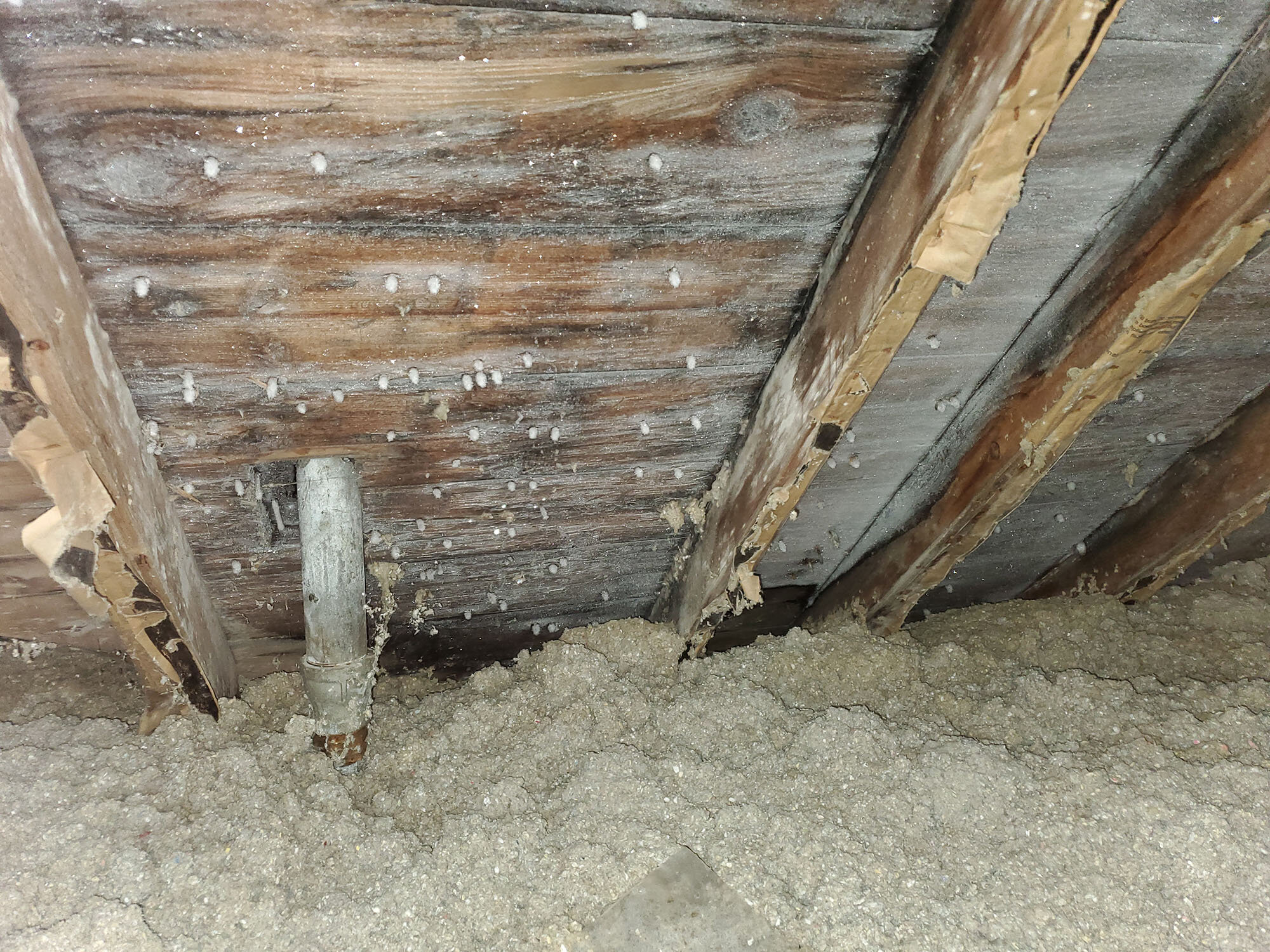
In Rockledge, not every moisture problem comes from a burst pipe or a hurricane. Many start with something much quieter — poor ventilation. In Florida’s humid climate, trapped air can create condensation inside attics, wall cavities, and HVAC systems. Over time, that condensation turns into measurable moisture damage.
Because Rockledge experiences high humidity most of the year, even small airflow imbalances can create persistent damp conditions. When warm, moist air cannot escape, it collects on cooler surfaces like drywall, framing, and ductwork.
Moisture detection in these situations is not about chasing plumbing leaks. It’s about identifying airflow issues and stopping hidden condensation before structural damage or mold develops.
Here’s what Rockledge homeowners need to know.
Why Poor Ventilation Causes Problems in Rockledge
Rockledge homes deal with:
Long air-conditioning seasons
Warm attic temperatures
High year-round humidity
Frequent summer storms
When ventilation is inadequate, humid air becomes trapped in:
Attic spaces
Ceiling cavities
Duct systems
Wall voids
Older homes may lack proper soffit or ridge vent systems. Newer homes may be tightly sealed for energy efficiency, which can trap humidity if ventilation isn’t balanced correctly.
Homes in nearby Viera and Cocoa face similar humidity, but construction style and HVAC layout influence how moisture spreads.
Poor airflow creates condensation — and condensation creates moisture damage.
Early Signs You Should Not Ignore
Ventilation-related moisture often mimics roof or plumbing leaks.
Watch for:
Ceiling stains that worsen during humid months
Musty odors in upper rooms
Dark rings around supply vents
Peeling paint near attic access panels
Soft drywall near rooflines
Indoor humidity consistently above 60 percent
If stains appear after extended humid weather but no rain event, condensation may be the cause.
Ignoring these signs allows moisture to build slowly over time.
Where Moisture Commonly Hides
Attics
Attics are the most common location for ventilation-related moisture.
Hot attic air combined with cooler ceiling surfaces creates condensation on:
Roof decking
Framing
Insulation
Ductwork
Damp insulation may not immediately show visible staining inside the home.
Professional moisture detection confirms whether attic materials are saturated.
HVAC Duct Systems
Flexible ducts in hot attics are prone to sweating when insulation is compromised.
Restricted return airflow increases condensation risk.
Inspection may include:
Checking duct insulation
Inspecting condensate drain lines
Evaluating drain pans
Testing airflow balance
Poor ventilation increases stress on HVAC systems.
Wall Cavities
Moist air can move into wall cavities through small gaps.
Condensation may travel along framing before becoming visible.
Thermal imaging helps trace hidden moisture pathways.
How Professional Moisture Detection Works
Step 1: Visual Inspection
The process begins with a structured walkthrough.
Professionals examine:
Ceilings
Baseboards
Attic entry points
HVAC closets
Window frames
Visible signs guide deeper testing.
Palm Bay Mold Removal often begins Rockledge moisture investigations with a complete visual inspection before using diagnostic tools.
Step 2: Non-Invasive Moisture Scanning
Moisture meters scan drywall and ceilings without opening walls.
This identifies:
Wet and dry boundaries
Hidden dampness
Areas requiring further testing
Surface dryness does not guarantee internal dryness.
Mapping provides clarity.
Step 3: Thermal Imaging
Thermal imaging detects temperature differences caused by hidden moisture.
It is especially helpful for:
Identifying damp insulation
Tracing condensation along ceiling joists
Locating moisture behind walls
Thermal imaging narrows down exact areas needing ventilation correction.
Step 4: Pinpoint Moisture Testing
Pin-type meters measure internal moisture content.
This determines:
If materials can dry naturally
If removal is required
How deeply moisture has penetrated
Accurate readings prevent unnecessary demolition.
Why Early Detection Matters
Prevents Structural Deterioration
Drywall, insulation, and framing weaken when moisture remains trapped.
Early correction preserves structural integrity.
Reduces Mold Risk
Florida’s warm climate allows mold to develop quickly in damp materials.
Prompt moisture detection and ventilation improvement reduce contamination risk.
Improves Energy Efficiency
Balanced airflow helps HVAC systems operate more efficiently.
Reducing condensation lowers strain on mechanical systems.
How to Prevent Ventilation-Related Moisture
Rockledge homeowners can reduce risk by:
Keeping soffit vents clear
Ensuring ridge vents function properly
Replacing HVAC filters regularly
Flushing condensate drain lines
Maintaining balanced return airflow
Monitoring indoor humidity
Indoor humidity should remain below 60 percent.
Installing additional attic ventilation may be necessary in older homes.
Routine attic inspections after humid periods help identify early issues.
The Importance of Local Experience
Rockledge homes vary in age, roof design, and HVAC placement.
Florida’s humidity creates moisture behavior different from drier climates.
Professionals familiar with Brevard County construction understand attic layouts, slab foundations, and duct configurations common in Rockledge neighborhoods.
Palm Bay Mold Removal has worked extensively throughout Rockledge and surrounding communities, addressing ventilation-related moisture issues specific to Florida’s environment.
Protecting Your Home Long-Term
Moisture detection in Rockledge from poor ventilation is about more than identifying damp drywall. It’s about understanding how humid air moves through your home and correcting airflow problems before structural damage occurs.
Ignoring early signs such as musty odors or ceiling stains can lead to larger restoration costs.
By combining accurate moisture mapping, ventilation improvements, humidity control, and preventative maintenance, homeowners can protect their properties effectively.
In Florida’s humid climate, balanced airflow and early detection remain the most reliable defenses against ventilation-related moisture damage.