Rockledge Moisture Detection During Rainy Season: Early Signs You Should Not Ignore
Rainy season in Rockledge isn’t exactly subtle. One week of steady storms, and suddenly the air feels heavier, the AC runs nonstop, and homes start holding moisture in places most people never think to check. It’s not always obvious at first. In fact, many homeowners don’t realize there’s a moisture issue until mold or structural damage has already begun.
Understanding the early warning signs—and how moisture detection works—can help prevent bigger, more expensive problems later.
What Moisture Intrusion Really Means
Moisture intrusion doesn’t always mean standing water or flooding. Sometimes it’s much less dramatic. Small leaks, condensation, or humidity trapped in walls and ducts can create damp conditions that slowly affect building materials.
Moisture detection focuses on finding:
- Hidden damp areas inside walls or ceilings
- Wet insulation or framing
- Slow plumbing or roof leaks
- Condensation buildup in HVAC systems
- Moisture trapped beneath flooring
These issues often develop quietly, especially during extended rainy periods in Brevard County.
Why Rainy Season Causes So Many Problems in Rockledge
Rockledge sits in a region where humidity levels are already high for most of the year. During rainy season, outdoor air holds even more moisture, and homes have a harder time drying naturally.
Several local factors contribute to moisture buildup:
- Frequent afternoon storms
- Warm temperatures that prevent materials from drying quickly
- Older roofs or flashing allowing small leaks
- AC systems running constantly, creating condensation
- Attic spaces that trap humid air
Homes in nearby communities like Melbourne, Titusville, and Merritt Island experience similar patterns, especially in neighborhoods close to waterways.
Early Signs Homeowners Should Not Ignore
Moisture problems rarely appear overnight. Instead, they show up as subtle changes that are easy to overlook.
Some of the most common early signs include:
- A musty or damp smell indoors
- Paint bubbling or peeling
- Warped baseboards or flooring
- Condensation forming on vents or windows
- Discolored ceiling spots
- Increased indoor humidity
Even small changes like these can signal hidden moisture that needs attention.
Hidden or Overlooked Sources of Moisture
One of the biggest challenges with moisture issues is that the source isn’t always visible.
Common hidden causes include:
- Slow plumbing leaks behind walls
- Roof leaks around vents or flashing
- AC drain line clogs
- Poor attic ventilation
- Ductwork sweating in humid conditions
In Rockledge homes, attic spaces and air ducts are particularly common areas where moisture collects unnoticed for weeks or months.
Why DIY Moisture Detection Often Misses the Problem
Homeowners sometimes try to locate leaks visually or rely on touch to find damp areas. While that can work in obvious situations, hidden moisture is much harder to detect without proper tools.
DIY attempts often miss:
- Moisture inside drywall
- Damp subflooring beneath tile or laminate
- Wet insulation in attic cavities
- Condensation forming inside ducts
Professional moisture detection uses specialized equipment designed to identify moisture levels beneath surfaces, not just on them.
How Professional Moisture Detection Works
A thorough inspection usually involves several steps designed to locate both visible and hidden moisture.
Typical methods include:
Moisture meters to measure water content in building materials
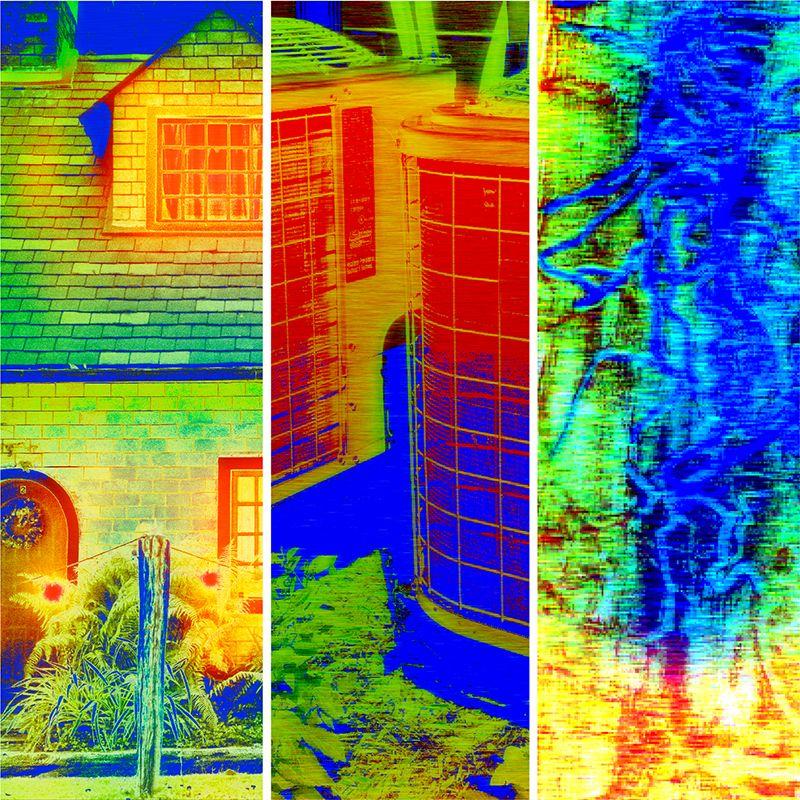
Infrared thermal imaging to locate temperature differences caused by damp areas
Visual inspection of common problem zones like attics, crawl spaces, and HVAC systems
Humidity readings to evaluate indoor air conditions
This process helps determine not only where moisture exists but also what may be causing it.
Technicians familiar with homes in Rockledge and Cocoa Beach often recognize patterns quickly because construction styles and climate conditions are similar throughout the area.
Why Identifying Moisture Early Matters
Moisture left untreated can lead to several issues over time:
- Mold growth
- Wood rot
- Insulation damage
- Reduced air quality
- Structural deterioration
Catching moisture early usually means repairs are simpler and less disruptive. Waiting too long often turns a small repair into a larger restoration project.
The Role of Mold Inspection and Testing
When moisture is present for extended periods, mold can begin to grow—even if it isn’t visible yet.
Mold inspection focuses on:
- Identifying areas at risk
- Locating hidden growth
- Determining moisture sources
- Evaluating air quality when needed
Testing isn’t always necessary, but in some cases it helps confirm conditions inside walls, ducts, or insulation.
Professionals who handle moisture detection often provide mold inspection and remediation services as part of a complete approach to protecting the home.
What Happens If Moisture Has Already Caused Damage
If an inspection reveals water damage or mold, the next steps usually involve controlled drying and restoration.
This may include:
- Removing wet materials
- Structural drying using air movers and dehumidifiers
- Repairing leaks or drainage issues
- Cleaning and restoring affected areas
Flood restoration and water damage repair often follow similar procedures, especially in homes that have experienced heavy storms.
Air Ducts, AC Systems, and Moisture Problems
Air conditioning systems play a major role in moisture control, but they can also become part of the problem.
Common HVAC-related moisture issues include:
- Condensation forming on duct surfaces
- Dirty coils reducing efficiency
- Blocked condensate drains
- Leaky return ducts pulling humid attic air
These conditions are common in Rockledge and Viera, particularly during long periods of rain when systems run continuously.
Cleaning ducts and addressing AC-related moisture helps improve airflow and indoor air quality.
Preventing Moisture Problems During Rainy Season
While Florida weather can’t be controlled, homeowners can take practical steps to reduce moisture risks.
Helpful prevention measures include:
- Checking roofs and flashing before storm season
- Keeping gutters and drains clear
- Monitoring indoor humidity levels
- Scheduling periodic HVAC inspections
- Repairing small leaks promptly
Regular maintenance often prevents minor moisture problems from turning into major repairs.
Why Local Experience Makes a Difference
Moisture behaves differently in Florida than in drier climates. Materials absorb humidity more quickly, and drying times are longer.
Professionals who work regularly in Brevard County understand:
- Where moisture typically collects in coastal homes
- How seasonal storms affect different roofing systems
- Which areas of a house are most vulnerable
- How to dry structures effectively in humid conditions
Companies such as Palm Bay Mold Removal have handled moisture detection and restoration projects throughout Rockledge, Melbourne, and Titusville, which helps inspections move efficiently and accurately.
A Calm, Practical Next Step for Homeowners
Moisture problems don’t usually start as emergencies. Most begin as small issues—minor leaks, condensation, or humidity buildup—that gradually worsen over time.
If something in your home smells damp, feels humid, or just doesn’t seem right after heavy rains, it’s worth investigating early. A professional moisture inspection can identify hidden issues and help prevent larger problems before they develop.
Taking action early is almost always easier, less expensive, and far less stressful than dealing with long-term damage later.