Rockledge Moisture Detection After Water Damage: A Local Homeowner Guide
Water damage can happen quickly, but the effects often last much longer than most homeowners expect. In Rockledge, plumbing leaks, roof damage, appliance failures, and storm-related flooding are common causes of moisture problems. Even after visible water is cleaned up, moisture can remain trapped inside walls, floors, insulation, and structural materials.
Moisture detection is one of the most important steps after water damage. It helps locate hidden damp areas, prevents mold growth, and ensures repairs are completed properly. For homeowners in Rockledge, understanding how moisture detection works can make a major difference in protecting a home.
What Moisture Detection Means After Water Damage
Moisture detection is the process of locating and measuring moisture in building materials. After water damage, it is rarely enough to rely on what can be seen. Water often spreads beyond the visible wet area and may remain hidden behind surfaces.
Moisture detection helps identify:
- Damp drywall and insulation
- Wet subfloors beneath carpet or tile
- Moisture in ceiling cavities
- Hidden leaks inside walls
- Areas at risk of mold growth
Finding these hidden areas early prevents long-term structural problems and costly repairs.
Why Moisture Problems Are Common in Rockledge
Homes in Rockledge and nearby areas such as Cocoa, Merritt Island, and Viera experience environmental conditions that make drying more difficult.
High humidity levels
Moist air slows evaporation, allowing materials to remain damp longer.
Frequent storms and heavy rainfall
Roof leaks and water intrusion often occur during storm season.
Attic heat and limited ventilation
Warm attic air traps moisture and slows drying.
Continuous air-conditioning use
AC systems help cool homes but may also contribute to condensation issues if drainage systems are not maintained.
Because of these factors, moisture detection is especially important after any water damage event.
Early Signs That Moisture May Still Be Present
Even after cleanup, homeowners should watch for signs that moisture may still be hidden in the home.
Common indicators include:
- Musty or damp odors
- Discoloration or staining on ceilings or walls
- Warped flooring or baseboards
- Peeling paint or bubbling drywall
- Indoor humidity that feels higher than usual
These signs often appear days or weeks after the initial leak or flooding event.
Hidden Areas Where Moisture Often Lingers
Water rarely remains confined to one location. After a leak or flooding, moisture can travel into areas that are not easily visible.
Common hidden areas include:
- Behind drywall in bathrooms and kitchens
- Beneath carpet padding and subfloors
- Inside attic insulation
- Around air ducts and vents
- Inside closets and storage areas
Because these areas are concealed, professional moisture detection tools are often required to confirm that they are fully dry.
Why Visual Inspection Alone Is Not Enough
Homeowners sometimes assume that if surfaces look dry, the problem is resolved. Unfortunately, moisture can remain trapped inside materials even when surfaces appear normal.
Visual inspections often miss:
- Moisture behind walls
- Damp insulation
- Minor leaks inside pipe cavities
- Subfloor moisture beneath flooring
Without proper detection, these hidden areas may lead to mold growth or structural deterioration later.
How Professional Moisture Detection Works
Professional moisture detection involves specialized tools and a systematic inspection process designed to locate moisture accurately.
The process often includes:
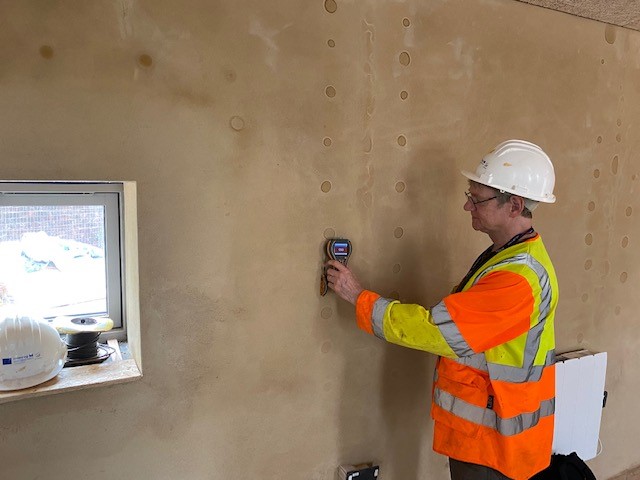
Moisture Meter Testing
Meters measure moisture levels in drywall, wood, and flooring to determine whether materials are fully dry.
Thermal Imaging
Infrared cameras help identify temperature differences that may indicate hidden moisture.
Humidity Measurement
Indoor humidity levels are evaluated to determine whether drying is complete.
Visual Structural Inspection
Attics, crawl spaces, and areas near previous leaks are carefully examined.
Professionals familiar with Brevard County homes, including teams like Palm Bay Mold Removal, often combine these methods to ensure hidden moisture is identified before repairs begin.
What Happens After Moisture Is Detected
If moisture is found, the next step is drying and restoration. The exact process depends on how much water has been absorbed and which materials are affected.
Typical steps include:
- Setting up air movers to increase evaporation
- Using dehumidifiers to remove moisture from the air
- Removing saturated materials when necessary
- Monitoring moisture levels until normal conditions return
This process ensures that drying is complete and helps prevent mold growth.
Repairs That May Be Needed After Drying
Water damage can weaken certain materials, especially in older homes or areas exposed to prolonged moisture. Repairs may include:
- Replacing damaged drywall
- Repairing ceilings or flooring
- Restoring insulation
- Sealing plumbing or roof leaks
Completing these repairs helps prevent moisture from returning and protects structural integrity.
The Role of HVAC Systems in Moisture Control
HVAC systems play a major role in indoor humidity and air circulation. After water damage, technicians often inspect:
- Air ducts and insulation
- Condensation lines and drain pans
- Filters and vents
- Airflow patterns
Proper HVAC maintenance helps maintain stable humidity levels and supports the drying process.
How Homeowners Can Prevent Future Moisture Problems
Preventive maintenance is one of the most effective ways to protect a home after water damage.
Helpful steps include:
- Repair leaks promptly
- Inspect roofs regularly, especially after storms
- Monitor indoor humidity levels
- Ensure attic ventilation is adequate
- Schedule periodic moisture inspections
Homes in nearby communities such as Satellite Beach and Melbourne often follow similar maintenance routines due to the shared coastal climate.
Why Local Experience Matters
Moisture detection in coastal Florida requires an understanding of humidity patterns, storm behavior, and construction methods common in Brevard County homes. Drying times and moisture movement differ significantly from those in drier climates.
Professionals familiar with Rockledge homes understand:
- Where moisture most often accumulates
- How attic heat affects drying
- Which materials are most vulnerable
- How to prevent recurring moisture problems
Palm Bay Mold Removal and other experienced local providers often focus on identifying both moisture and its source, helping homeowners achieve lasting results.
A Practical Approach for Homeowners
Water damage does not always end when visible water disappears. Hidden moisture can remain in structural materials and lead to problems later if not properly detected and dried.
For homeowners in Rockledge, acting quickly after leaks or flooding, scheduling moisture detection, and maintaining proper ventilation are the most effective ways to prevent long-term damage. With early detection and proper restoration, most moisture problems can be resolved efficiently and prevented from returning.