Professional Tips for Property Owners: Water Damage Restoration in Melbourne During Rainy Season
Melbourne, Florida, experiences a rainy season that can challenge even the most well-maintained homes. Heavy rains, high humidity, and occasional tropical storms contribute to water intrusion, flooding, and hidden moisture issues. For property owners, understanding water damage restoration is critical to protect their investment, maintain structural integrity, and ensure a safe indoor environment.
This guide builds on lessons from West Melbourne water leak detection, demonstrating how timely action and professional intervention help prevent minor water issues from becoming major property hazards. It outlines the causes, detection methods, restoration steps, and preventive strategies for water damage during Melbourne’s rainy season.
Understanding Water Damage During the Rainy Season
Water damage occurs when rainwater or storm-related moisture penetrates the home’s structure. Common causes include:
- Roof leaks: Worn shingles, damaged flashing, or clogged gutters can allow water to enter attics or ceilings.
- Window and door leaks: Inadequate seals or aging frames can let rainwater seep into walls and flooring.
- Plumbing failures: Pipes may leak or burst due to pressure changes during heavy rains.
- Flooding: Overflowing drainage or poor grading can lead to basement or ground-floor water accumulation.
- HVAC system issues: Condensation and blocked drain lines in air conditioning units can exacerbate indoor moisture levels.
Understanding these sources allows homeowners to prioritize inspections and preventative measures before water intrusion becomes severe.
Common Warning Signs of Water Damage
Early detection of water damage reduces repair costs and prevents structural problems. Homeowners should monitor for:
- Water stains or discoloration on ceilings, walls, or floors
- Peeling paint or wallpaper
- Warping, buckling, or soft flooring
- Musty or damp odors
- Visible mold growth in corners, under sinks, or near HVAC vents
- Condensation on windows, pipes, or ductwork
- Increased indoor humidity
Identifying these warning signs promptly ensures that professional restoration can begin before hidden damage spreads.
Professional Water Damage Inspection and Assessment
A thorough assessment is critical for effective water damage restoration. Professional inspectors use multiple techniques:
1. Moisture Detection Tools
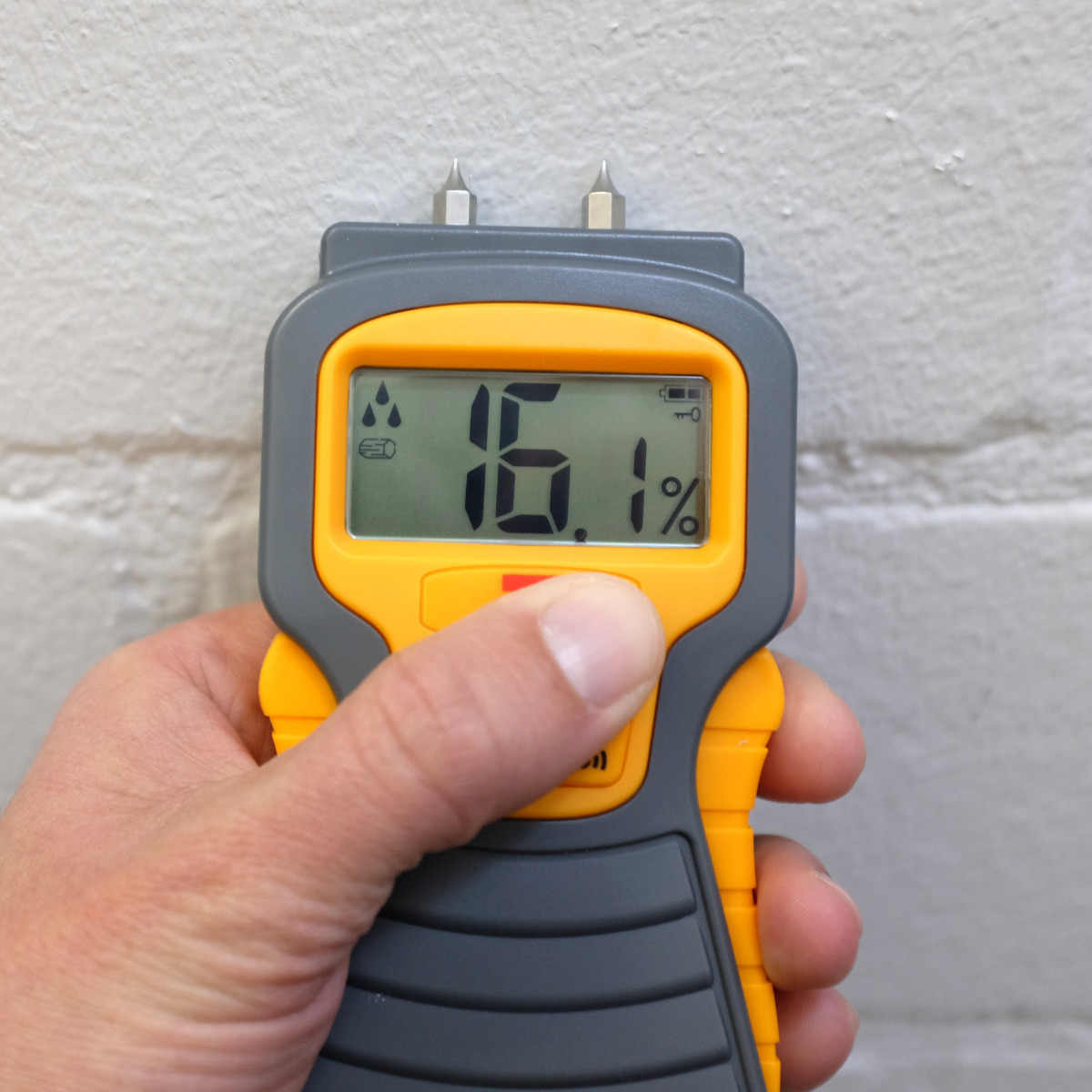
Pin and pinless moisture meters measure dampness in walls, floors, and structural materials, identifying hidden water intrusion.
2. Thermal Imaging
Infrared cameras reveal temperature differences caused by trapped moisture behind walls, ceilings, and flooring.
3. HVAC System Evaluation
Technicians inspect air ducts, coils, and condensate lines for water accumulation, mold growth, and airflow issues.
4. Plumbing Inspection
Pressure testing identifies leaks in pipes or appliances affected by storm or seasonal pressure changes.
5. Documentation
Detailed reports and photographs document damage for restoration planning and insurance claims.
Professional assessment ensures all affected areas are identified and treated appropriately.
Water Damage Restoration Process
Once water intrusion is confirmed, professional restoration follows a systematic process:
Step 1: Water Removal
High-capacity pumps and wet vacuums remove standing water from flooring, carpets, and subflooring. Immediate extraction prevents further absorption into building materials.
Step 2: Drying and Dehumidification
Industrial air movers and dehumidifiers reduce moisture in walls, floors, and structural components. Moisture meters are used to verify complete drying.
Step 3: Cleaning and Disinfection
Carpets, flooring, and affected surfaces are cleaned and sanitized. Antimicrobial treatments prevent mold and bacterial growth.
Step 4: Mold Remediation
If microbial growth is detected, professionals isolate affected areas, remove contaminated materials, and treat surfaces to prevent spore spread.
Step 5: Structural Repairs
Damaged drywall, insulation, flooring, and baseboards are repaired or replaced to restore the home to pre-damage condition.
Step 6: HVAC and Ventilation Maintenance
Duct cleaning, coil maintenance, and air filter replacement ensure that contaminants do not circulate throughout the home.
Following these steps ensures a thorough, safe, and effective restoration process.
Hidden Areas of Concern
Even after visible water removal, hidden moisture can continue to cause damage:
- Under carpets and flooring
- Inside walls and behind baseboards
- Attics and crawl spaces
- HVAC ductwork and air handlers
Professional detection and remediation tools target these concealed areas, reducing the risk of recurring water damage or mold problems.
Preventive Measures for Property Owners
Preventing water damage during Melbourne’s rainy season requires proactive strategies:
- Roof and gutter maintenance: Inspect and repair shingles, flashing, and gutters before the rainy season.
- Proper drainage: Ensure grading and downspouts divert water away from the foundation.
- Seal windows and doors: Replace aging seals or caulking to prevent leaks.
- HVAC maintenance: Inspect air conditioning units, drain lines, and ductwork for moisture issues.
- Install sump pumps or flood barriers: Protect basements and low-lying areas from stormwater intrusion.
- Seasonal inspections: Check attics, crawl spaces, and plumbing systems regularly for vulnerabilities.
Preventive measures reduce the likelihood of water damage and lower long-term maintenance costs.
Health Implications of Water Damage
Untreated water damage can affect indoor air quality and resident health:
- Mold spores can cause allergic reactions and respiratory irritation
- Bacterial growth in standing water may pose infection risks
- Musty odors reduce indoor comfort and air quality
- Prolonged damp conditions exacerbate asthma and other respiratory conditions
Professional restoration ensures that both the home’s structure and indoor environment are safe.
Cost Considerations
Water damage restoration costs vary depending on:
- Extent of water intrusion
- Type of water (clean water vs. floodwater or contaminated water)
- Materials affected (carpet, drywall, insulation, wood)
- Mold presence and remediation requirements
On average, minor water damage restoration may cost $2–$7 per square foot, while extensive damage from flooding or storm-related issues can exceed $10–$15 per square foot. Professional restoration reduces long-term costs by preventing hidden damage from escalating.
Why Local Expertise Matters
Melbourne shares environmental conditions with nearby communities such as West Melbourne, Cocoa Beach, and Satellite Beach. Local professionals understand:
- Rainfall patterns and seasonal hurricane risks
- Common construction materials and moisture-prone areas
- Efficient water extraction, drying, and mold prevention techniques
- Preventive strategies tailored to Florida’s humid coastal climate
Companies like Palm Bay Mold Removal provide comprehensive water damage restoration services customized for Melbourne homes.
Practical Steps for Homeowners
- Conduct an initial inspection for visible water damage after heavy rain or storms.
- Hire professional water damage restoration services to detect hidden moisture.
- Remove water promptly using extraction equipment.
- Dry and dehumidify all affected areas thoroughly.
- Clean and disinfect surfaces and HVAC components.
- Repair or replace damaged materials, including drywall, insulation, and flooring.
- Implement preventive measures, such as roof maintenance, gutter cleaning, and sump pump installation.
Following these steps ensures homes remain structurally sound, safe, and comfortable throughout the rainy season.
Final Thoughts
Water damage restoration is a critical part of property maintenance for Melbourne homeowners during Florida’s rainy season. Timely detection, professional restoration, and proactive preventive measures prevent minor water issues from escalating into major structural or health hazards.
Building on lessons from West Melbourne water leak detection, property owners can see that early intervention, local expertise, and systematic restoration are key to preserving home value, indoor air quality, and safety. By staying vigilant and investing in professional services, homeowners can mitigate the challenges posed by Florida’s wet climate and maintain resilient, healthy homes.