
Professional Tips for Property Owners: Mold Removal in Viera from AC Condensation
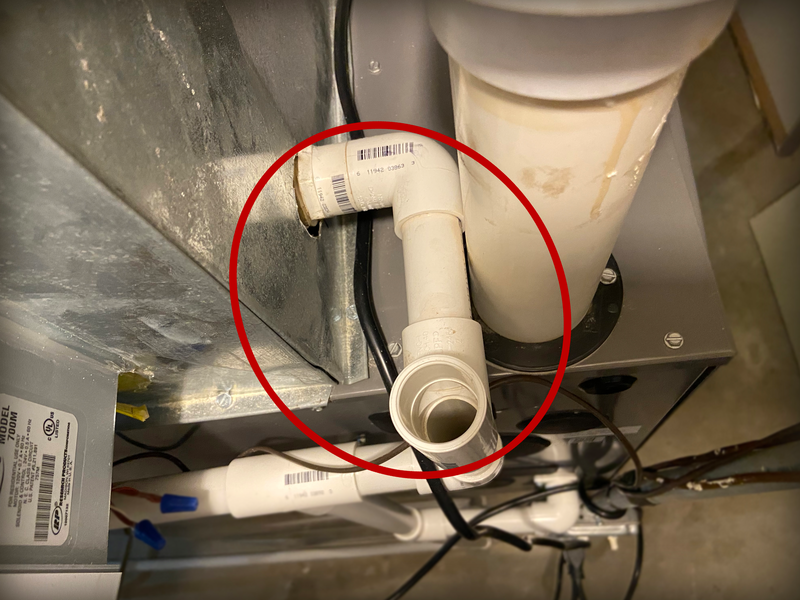
In warm, humid communities like Viera, air conditioning systems run almost year-round. While these systems provide essential comfort, they also produce condensation as part of their normal operation. When that moisture is not properly drained or managed, it can create the perfect environment for mold growth inside residential and commercial properties.
Mold caused by AC condensation is often overlooked because it develops gradually and in concealed areas—around air handlers, inside wall cavities, in ceiling plenums, and along ductwork. For property owners in Viera, understanding how condensation-related mold forms, how to remove it properly, and how to prevent it from returning is critical for protecting both building value and occupant health.
This comprehensive guide provides professional insights into identifying, removing, and preventing mold growth linked to air conditioning condensation.
Why AC Condensation Becomes a Mold Problem in Viera
Air conditioning systems cool indoor air by removing heat and humidity. During this process, moisture condenses on the evaporator coil and is supposed to drain safely through a condensate line.
However, several factors common in Viera increase the risk of mold formation:
- High humidity levels throughout much of the year
- Extended AC operation during summer
- Sudden heavy rain events increasing ambient moisture
- Attic-installed air handlers in warm environments
- Clogged or poorly maintained condensate drain lines
When drainage systems clog or leak, condensation accumulates in areas not designed to handle standing water. Over time, this hidden moisture feeds mold growth on drywall, insulation, wood framing, and even HVAC components.
Common Signs of Mold from AC Condensation
Mold caused by condensation tends to develop near the source of moisture. Property owners should watch for these warning signs:
1. Musty Odors Near Vents
If you notice a damp, earthy smell when the AC turns on, mold may be present inside ductwork or near the air handler.
2. Water Stains on Ceilings
Brown or yellow stains below attic-mounted units often indicate a leaking condensate pan or clogged drain line.
3. Dripping Water Near Air Handler
Standing water around the indoor unit is never normal and requires immediate attention.
4. Mold Around Supply Registers
Dark discoloration near ceiling vents may suggest excess humidity or condensation buildup.
5. Increased Allergy Symptoms
Occupants may experience:
- Sneezing
- Eye irritation
- Sinus congestion
- Persistent coughing
If symptoms worsen while the AC is running, contamination within the system may be circulating spores.
Why Professional Mold Removal Is Necessary
Small surface mold patches might appear manageable, but condensation-related mold often extends deeper than visible areas suggest.
Professional mold remediation is important because:
- Mold may be inside wall cavities
- Insulation may be saturated and contaminated
- HVAC systems can distribute spores throughout the building
- Improper cleaning can worsen contamination
Attempting DIY removal without identifying the underlying moisture issue often leads to recurrence within weeks.
The Professional Mold Removal Process
1. Moisture Source Identification
The first step is identifying the condensation issue. Professionals inspect:
- Evaporator coils
- Condensate drain lines
- Drain pans
- Secondary drain systems
- Duct insulation
- Attic humidity levels
Thermal imaging and moisture meters help locate hidden damp areas.
Correcting the moisture source is essential. Without fixing the AC issue, mold will return.
2. Containment
Affected areas are sealed using plastic barriers and negative air machines. This prevents mold spores from spreading to unaffected rooms during removal.
HEPA air scrubbers may operate continuously to filter airborne particles.
3. Removal of Contaminated Materials
Porous materials that cannot be effectively cleaned are removed. This may include:
- Mold-damaged drywall
- Saturated insulation
- Severely affected duct lining
- Water-damaged ceiling panels
Non-porous surfaces are cleaned and disinfected.
4. Cleaning and Antimicrobial Treatment
Specialized solutions are applied to eliminate residual mold spores. HEPA vacuums and air scrubbers improve indoor air quality during this process.
5. Drying and Dehumidification
Industrial-grade dehumidifiers reduce moisture levels to safe standards. Proper drying ensures mold does not reestablish itself.
6. Post-Remediation Verification
Some property owners choose clearance testing to confirm that indoor mold levels are within normal ranges. This provides added assurance, especially in rental or commercial properties.
AC Condensation Issues That Lead to Mold
Understanding the root causes helps property owners prevent future damage.
Clogged Condensate Drain Lines
Dust, algae, and debris can block drainage lines, causing overflow.
Rusted or Damaged Drain Pans
Older systems may develop cracks or corrosion in drain pans.
Poorly Insulated Ductwork
Uninsulated ducts in hot attics can cause condensation to form on exterior surfaces.
Improper System Sizing
Oversized AC units may short-cycle, leading to poor humidity control.
Lack of Maintenance
Annual inspections are crucial. Skipping maintenance increases failure risks.
Prevention Tips for Property Owners in Viera
1. Schedule Regular HVAC Maintenance
Have a licensed technician inspect and service the system at least once per year.
2. Clean Condensate Lines
Flush drain lines regularly to prevent algae buildup.
3. Install a Secondary Drain Switch
A float switch can shut off the system if water levels rise in the drain pan.
4. Monitor Indoor Humidity
Keep humidity below 60%. Consider installing a whole-home dehumidifier if necessary.
5. Inspect Attic Units Periodically
Look for signs of leaks, rust, or insulation damage.
6. Upgrade Aging Equipment
Older systems are more prone to leaks and inefficiency.
Special Considerations for Commercial Property Owners
In commercial buildings or multi-family properties in Viera:
- AC systems run longer hours
- Occupancy density increases moisture load
- Maintenance complexity is higher
Routine inspections and documented maintenance logs are essential for liability protection and tenant safety.
Health and Air Quality Concerns
Mold spores circulating through HVAC systems can affect indoor air quality. Sensitive individuals may experience:
- Asthma flare-ups
- Chronic sinus infections
- Respiratory irritation
Addressing mold promptly protects occupants and reduces potential complaints or legal issues.
Insurance and Documentation
Condensation-related mold may or may not be covered under property insurance policies. Coverage often depends on whether the issue is considered sudden damage or long-term neglect.
Property owners should:
- Document water damage immediately
- Keep maintenance records
- Photograph visible mold growth
- Report issues promptly
Professional remediation reports can support insurance claims.
Long-Term Structural Protection
Unchecked condensation can weaken:
- Ceiling joists
- Drywall structures
- Insulation systems
- Wood framing
Over time, repeated moisture exposure may compromise structural integrity and require extensive repairs.
Addressing condensation issues early protects the long-term value of your property.
When to Call a Mold Remediation Professional
Contact professionals if you notice:
- Persistent musty smells
- Visible mold larger than a small isolated patch
- Water stains below AC units
- Recurring condensation problems
- Allergy symptoms linked to AC use
Early intervention reduces both remediation costs and downtime.
Final Thoughts for Property Owners in Viera
Air conditioning is essential in Viera, but condensation is an unavoidable byproduct of cooling systems. When not properly managed, that moisture can quietly lead to mold growth inside walls, ceilings, and ductwork.
Professional mold removal from AC condensation is not simply about cleaning visible growth—it requires identifying the moisture source, safely removing contaminated materials, restoring indoor air quality, and implementing preventive measures.
By investing in routine HVAC maintenance, monitoring humidity levels, and responding quickly to warning signs, property owners in Viera can protect their buildings from long-term mold damage and maintain a safe, healthy indoor environment.