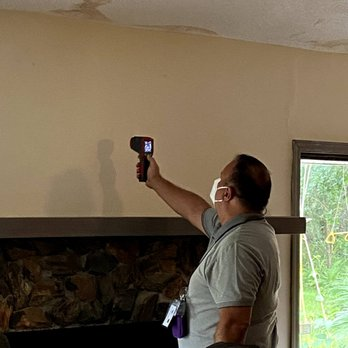
Professional Tips for Property Owners: Mold Remediation in Rockledge After Flooding
Flooding in Rockledge, Florida, can lead to significant water damage in homes and commercial properties. One of the most serious post-flood issues is mold growth, which can develop within 24–48 hours of water exposure. Mold not only damages building materials but also poses health risks to occupants. Effective mold remediation requires a structured approach, professional insight, and preventive strategies.
This guide offers practical tips for property owners in Rockledge to safely and efficiently manage mold after flooding.
Why Mold Remediation Is Critical After Flooding
- Health Protection
- Mold exposure can cause respiratory issues, allergies, asthma attacks, and other health problems, especially for sensitive individuals.
- Structural Preservation
- Mold consumes organic materials like drywall, wood, and carpet, weakening the structural integrity of the building.
- Preventing Spread
- Mold spores are airborne and can colonize new areas if not contained and removed promptly.
- Property Value
- Untreated mold significantly reduces property value and may impact insurance coverage.
- Compliance with Safety Standards
- Remediation ensures the property meets building codes and health safety guidelines.
Early Signs of Mold After Flooding
- Musty Odor
- Persistent earthy or damp smells indicate microbial growth.
- Visible Mold Growth
- Black, green, or gray patches on walls, ceilings, floors, or carpets.
- Water Stains or Discoloration
- Yellow, brown, or dark streaks often point to hidden mold.
- Warped or Soft Surfaces
- Bubbling paint, curling flooring, or soft drywall indicate moisture retention.
- Increased Allergies or Respiratory Issues
- Sneezing, coughing, or itchy eyes after returning to the property.
- Condensation or Persistent Dampness
- Moist areas in basements, crawlspaces, or behind furniture.
Step‑by-Step Mold Remediation Process
Step 1: Safety and Containment
- Use personal protective equipment (PPE) including gloves, goggles, and respirators.
- Seal off affected areas with plastic sheeting and negative air pressure systems to prevent spores from spreading.
Step 2: Inspection and Assessment
- Identify all affected areas, including hidden spaces behind walls, under floors, and in attics.
- Assess the type of mold and severity to plan remediation.
Step 3: Water Removal
- Remove standing water using pumps, wet/dry vacuums, or professional water extraction equipment.
- Dry surfaces using air movers, fans, and dehumidifiers.
Step 4: Removal of Contaminated Materials
- Discard heavily contaminated drywall, insulation, carpets, and furniture.
- Non-porous surfaces like wood, metal, and tile are cleaned and disinfected.
Step 5: Cleaning and Disinfection
- Apply EPA-approved antifungal and antimicrobial solutions.
- Scrub surfaces thoroughly to remove mold colonies.
Step 6: Drying and Monitoring
- Ensure all areas are completely dry to prevent regrowth.
- Use moisture meters to monitor remaining humidity levels.
Step 7: Repair and Restoration
- Replace removed materials, restore walls, flooring, and furniture.
- Repair any leaks, plumbing issues, or roof damage to prevent future mold.
Step 8: Post-Remediation Verification
- Conduct mold testing to confirm the home is free from spores.
- Document remediation for insurance and property records.
Preventive Tips for Property Owners
- Address Water Damage Immediately
- Extract water and dry the property within 24–48 hours after flooding.
- Control Humidity
- Use dehumidifiers and air conditioning to keep indoor humidity below 60%.
- Improve Ventilation
- Ensure proper airflow in basements, attics, and crawlspaces.
- Regular Inspections
- Check for leaks, water stains, or signs of mold regularly, especially after storms.
- Maintain Plumbing and Roofing
- Repair leaks promptly and inspect roofs for damage to prevent water intrusion.
- Seal and Protect Vulnerable Areas
- Waterproof basements, foundation walls, and areas prone to flooding.
- Professional Guidance
- Hire certified mold remediation professionals for severe contamination or if structural materials are compromised.
Benefits of Professional Mold Remediation
- Health Safety
- Minimizes exposure to harmful spores and allergens.
- Structural Protection
- Prevents long-term damage to walls, floors, and ceilings.
- Efficiency
- Faster and more thorough removal compared to DIY methods.
- Peace of Mind
- Confirms that the property is safe, clean, and ready for occupancy.
- Cost Savings
- Early intervention reduces the need for extensive repairs and restores property value.
Conclusion
Flooding in Rockledge residential homes creates an environment conducive to mold growth, which can rapidly compromise both health and property. Early recognition of warning signs, including musty odors, visible mold, and water damage, is critical.
Professional mold remediation involves a step-by-step process of containment, cleaning, drying, and restoration to ensure safety and prevent future growth. Combined with preventive strategies, such as humidity control, timely water damage response, and regular inspections, property owners can protect their homes, maintain indoor air quality, and avoid costly mold-related repairs.