
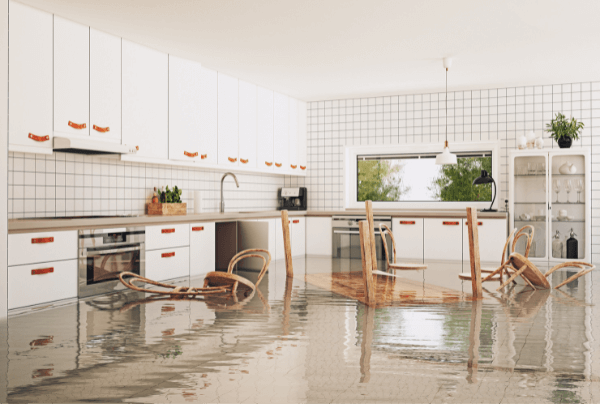
Professional Tips for Property Owners: Emergency Water Removal in Melbourne After Flooding
Flooding in Melbourne never seems to happen at a convenient time. It’s usually during a late-night storm, after a plumbing failure while you’re at work, or when a tropical system parks over Brevard County longer than expected.
For property owners — whether you manage rentals, own a primary home, or maintain investment properties — emergency water removal is about more than cleanup. It’s about protecting structure, preventing mold, and minimizing downtime.
In Melbourne’s humid climate, fast and structured action makes the difference between a manageable drying job and a larger restoration project.
Here’s what property owners should know.
Why Flooding Is More Complicated in Melbourne
Melbourne homes deal with:
- High year-round humidity
- Heavy seasonal rain
- Hurricane and tropical storm exposure
- Slab foundations that allow water to spread
- AC systems running constantly
Water doesn’t just sit where it lands. It moves — under walls, beneath flooring, into insulation, and sometimes into adjacent rooms.
Humidity slows natural drying, which increases the urgency of proper removal.
Common Flooding Causes in Melbourne Properties
Emergency water removal calls typically follow:
- Plumbing supply line failures
- Water heater leaks
- Washing machine hose bursts
- AC drain line clogs
- Roof intrusion during storms
- Yard drainage overflow
In slab homes, water spreads outward quickly and wicks upward into drywall edges.
The visible water is usually only part of the story.
Immediate Professional Tips for Property Owners
1. Stop the Source First
Before focusing on drying:
- Shut off the water supply
- Repair plumbing failures
- Temporarily seal roof leaks
- Clear clogged AC drain lines
Drying without stopping the source wastes time and money.
2. Act Within the First 24 Hours
In Melbourne’s climate:
- Mold growth can begin within 24–48 hours
- Carpet padding absorbs water quickly
- Drywall edges swell
- Baseboards trap moisture
Rapid response dramatically reduces restoration costs.
3. Don’t Rely on Surface Drying
Mopping and running household fans rarely solve the problem.
Water often remains in:
- Subfloors
- Insulation
- Wall cavities
- Cabinet bases
- Closet corners
Surface dryness does not equal structural dryness.
Step-by-Step Emergency Water Removal Process
Understanding the professional process helps property owners manage expectations.
Step 1: Assessment and Safety Check
Technicians evaluate:
- Electrical hazards
- Water category (clean, gray, storm-related)
- Structural concerns
- Extent of visible and hidden moisture
Safety and documentation are addressed early.
Step 2: Water Extraction
Commercial extraction equipment removes standing water quickly.
This may include:
- Truck-mounted extraction systems
- Portable high-powered extractors
- Submersible pumps (for deeper water)
Speed is critical in Florida’s humidity.
Step 3: Moisture Mapping
Moisture detection tools identify:
- Wet drywall sections
- Saturated subfloors
- Damp insulation
- Adjacent room spread
- Cabinet toe-kicks
Mapping ensures no hidden moisture remains behind.
Step 4: Removal of Unsalvageable Materials
Depending on exposure time and water type, removal may include:
- Wet carpet padding
- Lower drywall sections
- Swollen trim
- Damaged insulation
- Compromised cabinetry
Selective removal protects structural framing.
Step 5: Structural Drying
Commercial-grade equipment is placed strategically:
- Dehumidifiers
- High-velocity air movers
- Air scrubbers (when needed)
Drying is monitored daily using moisture readings.
In Melbourne, humidity control is just as important as air movement.
Step 6: Cleaning and Stabilization
After drying:
- Surfaces are cleaned
- Odor is addressed
- Materials are stabilized
If flooding was storm-related, additional sanitation steps may be required.
Step 7: Repairs and Restoration
Once dryness is verified:
- Drywall is replaced
- Insulation reinstalled
- Trim repaired
- Flooring restored
- Painting completed
Rebuilding too early traps moisture.
HVAC Considerations After Flooding
Many Melbourne homes have HVAC systems located in garages or attics.
Flooding can affect:
- Air handler platforms
- Duct insulation
- Return chases
- Condensate systems
If the system operated during flooding, moisture may have circulated through ductwork.
Inspection prevents ongoing odor and humidity imbalance.
Cost Factors Property Owners Should Understand
Emergency water removal costs vary based on:
- Size of affected area
- Duration before response
- Water type
- Amount of material removal
- Drying time
- Reconstruction scope
Quick response lowers total cost.
Delays increase material replacement and labor.
Preventing Future Emergency Water Events
Property owners in Melbourne can reduce risk by:
- Replacing aging washing machine hoses
- Inspecting water heater connections
- Maintaining AC drain lines
- Checking roof flashing before storm season
- Improving exterior drainage
- Installing leak detection devices in high-risk areas
Routine maintenance is far less expensive than emergency response.
Why Local Experience Matters
Water removal in Melbourne differs from dry climates because of:
- High baseline humidity
- Slab foundation moisture behavior
- Frequent storm cycles
- AC-driven condensation issues
Homes in Melbourne, West Melbourne, Palm Bay, Viera, Merritt Island, and Satellite Beach share similar environmental patterns.
Palm Bay Mold Removal regularly handles emergency water removal across Brevard County, focusing on moisture detection first and long-term stabilization second.
Because in Florida, removing the water is only half the job — controlling the humidity is the other half.
A Practical Next Step
If your Melbourne property experiences flooding, prioritize:
- Stopping the source
- Rapid extraction
- Professional moisture mapping
- Controlled structural drying
Handled quickly and methodically, most water events remain manageable.
In Melbourne’s humid climate, time and moisture control determine the outcome.