Palm Bay Mold Remediation in Commercial Buildings: Inspection and Repair Guide
Mold problems in commercial buildings don’t usually appear overnight. More often, they begin quietly—an unnoticed roof leak, a clogged AC drain line, or humidity that stays too high for too long. In Palm Bay, where heat and moisture are part of daily life, these conditions can allow mold to develop faster than many property owners expect.
For commercial buildings, mold isn’t just a maintenance issue. It can affect indoor air quality, disrupt business operations, and lead to costly structural repairs if left untreated. That’s why mold remediation in commercial spaces follows a structured process that starts with careful inspection and ends with proper repair and prevention.
Understanding how inspection and remediation work helps property owners and managers make informed decisions and keep buildings safe and functional.
What Mold Remediation Really Means
Mold remediation is more than simply cleaning visible growth. It involves identifying the source of moisture, removing contamination safely, and restoring affected materials.
In commercial buildings, remediation often includes:
- Inspection and moisture detection
- Containment of affected areas
- Removal of contaminated materials
- Cleaning and drying
- Repairs and prevention measures
Because commercial buildings are larger and more complex than residential homes, remediation requires careful planning to minimize disruption while ensuring the problem is fully addressed.
Why Mold Problems Occur in Palm Bay Commercial Buildings
Palm Bay’s climate creates ideal conditions for mold growth when moisture is present.
Common contributing factors include:
- High humidity levels year-round
- Heavy seasonal rains and storms
- Roof leaks or drainage issues
- Air conditioning systems running continuously
- Condensation in ductwork or mechanical rooms
Commercial buildings in nearby Melbourne, Rockledge, and Merritt Island often experience similar issues, especially in properties with large roof areas or aging HVAC systems.
Even small moisture problems can lead to mold growth if materials remain damp for extended periods.
Warning Signs Property Owners Should Watch For
Mold problems in commercial buildings often begin subtly. Early warning signs may include:
- Musty or damp odors
- Discoloration on ceilings or walls
- Peeling paint or bubbling drywall
- Increased humidity in certain areas
- Complaints about indoor air quality
Another sign is air conditioning systems struggling to control humidity, which may indicate hidden moisture or ventilation issues.
If these symptoms appear, a professional inspection can help confirm whether mold is present and determine the extent of the problem.
Hidden Sources of Moisture in Commercial Properties
Moisture that leads to mold often originates in areas that are rarely inspected.
Common hidden sources include:
- Roof membrane leaks
- Condensation from HVAC systems
- Plumbing leaks inside walls
- Wet insulation above ceiling tiles
- Poor ventilation in storage or mechanical rooms
In Palm Bay commercial buildings, attic and rooftop HVAC systems are frequent contributors to moisture problems, particularly during humid summer months.
Moisture detection tools help locate these hidden issues before remediation begins.
Why DIY Mold Cleanup Is Not Effective in Commercial Buildings
While small surface mold in residential settings may sometimes be cleaned safely, commercial mold problems are different.
DIY cleanup often fails because:
- Mold may be present behind walls or ceilings
- Moisture sources remain untreated
- Contamination can spread during improper cleaning
- Airflow systems can distribute spores
Without containment and proper drying, mold can return quickly—even after visible areas are cleaned.
Professional remediation focuses on removing contamination and correcting the conditions that allowed it to grow.
The Mold Inspection Process Step by Step
A thorough inspection is the first stage of remediation.
Step 1: Visual Assessment
Inspectors examine ceilings, walls, mechanical rooms, and HVAC components for signs of moisture or mold.
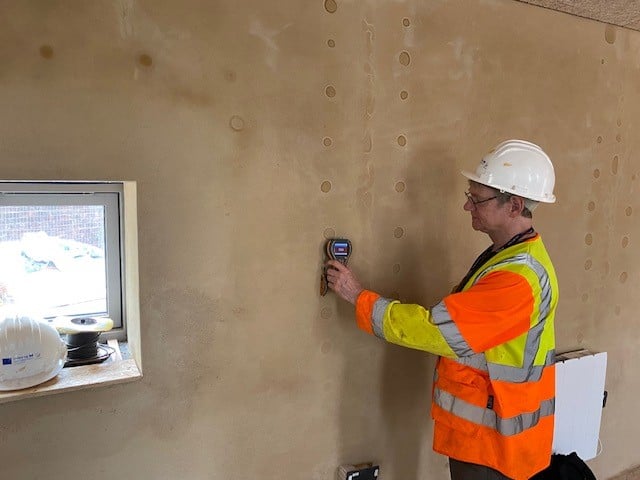
Step 2: Moisture Detection
Meters and imaging tools identify damp materials behind surfaces or above ceilings.
This step helps locate hidden mold growth.
Step 3: Air or Surface Sampling (When Needed)
Sampling may be recommended to confirm mold presence or determine contamination levels.
This is especially useful in large commercial spaces where mold may not be visible.
Step 4: Identifying the Moisture Source
Inspectors evaluate roofing, plumbing, ventilation, and drainage systems to determine why mold developed.
Finding and correcting the moisture source is essential for long-term success.
The Mold Remediation Process
Once inspection confirms mold growth, remediation follows a structured approach.
Containment
Affected areas are isolated to prevent spores from spreading to unaffected parts of the building.
Removal of Contaminated Materials
Damaged drywall, ceiling tiles, insulation, or carpeting may be removed when necessary.
Cleaning and Treatment
Surfaces are cleaned and treated to remove mold residues and improve indoor air quality.
Structural Drying
Air movers and dehumidifiers remove moisture from building materials to prevent recurrence.
Repairs and Restoration
Damaged materials are replaced, restoring the building to its original condition.
This step ensures both safety and appearance are maintained.
The Role of HVAC Systems in Commercial Mold Problems
HVAC systems often play a major role in mold development and spread.
Moisture may develop in:
- Air handlers
- Duct insulation
- Condensate drain lines
- Return air plenums
If mold develops in these areas, spores can circulate throughout the building.
Air duct inspection and cleaning are often recommended during remediation to ensure the ventilation system is clean and functioning properly.
Commercial buildings in Palm Bay and Melbourne frequently require HVAC evaluation as part of mold remediation projects.
Water Damage and Mold in Commercial Spaces
Many mold problems begin with water damage that wasn’t fully dried.
Common causes include:
- Roof leaks during storms
- Plumbing failures
- Flooding or drainage issues
- Condensation from mechanical systems
Restoration may involve drying structural materials and repairing damaged components before mold remediation begins.
Proper drying is critical because mold will return if moisture remains.
Preventing Mold in Commercial Buildings
Prevention is often the most cost-effective strategy.
Property owners can reduce risk by:
- Scheduling regular roof inspections
- Maintaining HVAC systems and drain lines
- Monitoring indoor humidity levels
- Repairing leaks promptly
- Inspecting ceiling spaces and mechanical rooms periodically
Routine maintenance helps identify moisture problems early, before mold has time to develop.
Why Local Experience Matters
Mold remediation in Palm Bay requires an understanding of Florida’s climate and building conditions.
Commercial buildings in Brevard County face:
- Long humid seasons
- Frequent storms and heavy rainfall
- Continuous air conditioning use
- Coastal moisture exposure
Professionals familiar with these conditions understand how humidity affects materials, drying times, and ventilation systems.
Palm Bay Mold Removal has worked with commercial property owners across Palm Bay, Melbourne, Rockledge, and Titusville, helping inspect and remediate mold problems while addressing the moisture sources that caused them.
A Practical Next Step for Property Owners
Mold problems rarely improve on their own. If you notice odors, staining, or humidity issues in a commercial building, scheduling an inspection is often the best first step.
Early remediation helps protect indoor air quality, prevent structural damage, and avoid disruptions to business operations.
Taking action early keeps a manageable issue from becoming a major repair project—and helps ensure your building remains safe, functional, and comfortable for employees and visitors.