
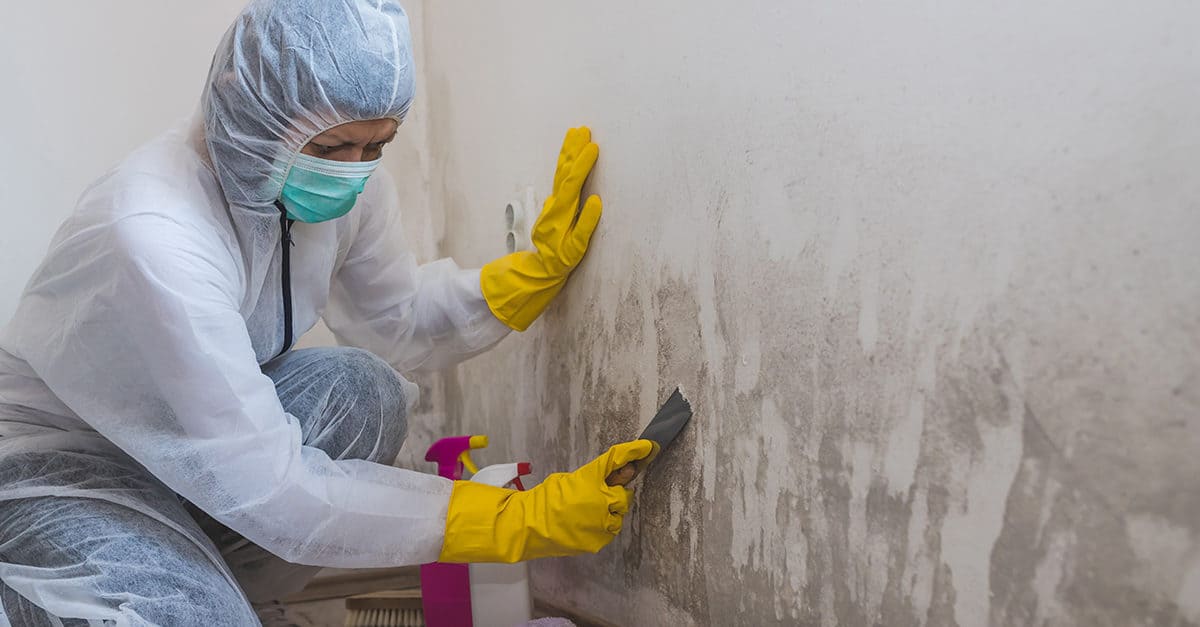
Palm Bay Mold Remediation after Storm Damage: Step-by-Step Process Explained
Storm season in Palm Bay and across Brevard County often leaves behind more than fallen branches and flooded streets. Many homeowners discover days or even weeks later that storm damage has quietly created the perfect environment for mold growth inside their homes.
After heavy rain, wind-driven water intrusion, and roof or window leaks, moisture becomes trapped in walls, flooring, and insulation. Without proper drying and remediation, mold can begin growing quickly, spreading behind surfaces where it often goes unnoticed until damage becomes serious.
Understanding how professional mold remediation works after storm damage helps homeowners respond correctly and protect their property long-term.
What Happens After Storm Damage Creates Mold Risk
Storm damage frequently allows water to enter homes through multiple hidden pathways. Roof shingles can lift, flashing may fail, windows leak, or floodwater can seep into slab foundations.
Once moisture enters, it becomes trapped inside:
• Wall cavities
• Insulation and drywall
• Carpeting and padding
• Ceiling materials
• HVAC duct systems
• Crawl spaces and attics
Florida’s heat and humidity accelerate mold growth, meaning colonies can start forming in as little as 24 to 48 hours if moisture remains.
Even when surfaces appear dry, moisture often stays hidden inside structural materials.
Why Storm-Related Mold Issues Are So Common in Palm Bay
Palm Bay homes face a unique combination of environmental conditions that make post-storm mold problems common.
Heavy seasonal storms bring intense rainfall, while coastal humidity prevents structures from drying quickly. Many homes in areas like Melbourne, Satellite Beach, Merritt Island, and Viera also have slab foundations and enclosed attic spaces where moisture easily becomes trapped.
Air conditioning systems, already running heavily during storms, may also produce additional condensation when humidity spikes. If drainage lines clog or airflow becomes restricted, moisture spreads further into walls and duct systems.
Older homes across Rockledge and Titusville sometimes have aging roofing or ventilation systems that allow moisture entry, worsening storm impacts.
Common Signs Homeowners Notice After a Storm
Storm-related mold damage often appears gradually. Homeowners typically notice warning signs such as:
• Persistent musty odors after storms
• Discoloration on ceilings or walls
• Bubbling or peeling paint
• Warped flooring or carpets that remain damp
• Increased allergy irritation indoors
• AC systems smelling damp when running
These symptoms often appear days or weeks after the initial storm event, making the connection less obvious.
Hidden or Overlooked Sources of Moisture
Some of the most serious mold problems develop where homeowners rarely look.
Common hidden moisture locations include:
• Behind drywall and baseboards
• Under carpets and flooring
• Inside insulation
• Around windows and doors
• Beneath cabinets after minor flooding
• Inside HVAC ducts and air handlers
• Attic insulation soaked through roof leaks
Even small roof leaks can soak insulation, which then slowly transfers moisture to ceilings below.
Why DIY Mold Removal Usually Fails
After storms, many homeowners try to handle mold using household cleaners or by removing visible stains. Unfortunately, this approach rarely solves the problem.
DIY methods typically fail because:
• Mold roots remain inside materials
• Hidden moisture sources remain untreated
• Contaminated air spreads spores during cleaning
• Damaged materials are not properly removed
• Improper drying allows regrowth
Surface cleaning alone cannot eliminate mold growing behind walls or under flooring.
Professional Mold Inspection & Testing Explained
The remediation process starts with a professional inspection that identifies the full scope of moisture and mold damage.
Inspection specialists typically use:
• Moisture meters to find hidden damp areas
• Thermal imaging to detect moisture pockets
• Air quality testing to measure mold spores
• Surface sampling when needed
• Structural assessments of damaged areas
This step determines where remediation is necessary and prevents incomplete repairs.
Step-by-Step Mold Remediation Process
Once affected areas are confirmed, remediation begins using a structured process designed to safely remove mold and prevent future growth.
Step 1: Containment Setup
Damaged areas are sealed using containment barriers to prevent spores from spreading to clean parts of the home.
Step 2: Air Filtration
Special filtration equipment removes airborne mold particles during cleanup.
Step 3: Removal of Damaged Materials
Heavily contaminated drywall, insulation, or flooring materials are safely removed and disposed of.
Step 4: Cleaning and Treatment
Remaining structural surfaces are cleaned and treated using professional mold remediation techniques.
Step 5: Drying and Dehumidification
Industrial drying equipment removes remaining moisture from structural materials.
Step 6: Post-Remediation Verification
Follow-up testing ensures moisture and mold levels are returned to safe conditions.
Flood Restoration and Water Damage Repair
Storm-related mold problems usually go hand in hand with water damage repair needs.
Flood restoration often includes:
• Water extraction
• Structural drying
• Carpet and flooring restoration
• Replacement of damaged materials
• Moisture monitoring
Without proper drying after flooding, mold often returns even after repairs appear complete.
Air Ducts, AC Systems, and Mold Growth
Storm damage frequently affects HVAC systems, particularly when flooding or high humidity enters ductwork or air handlers.
Mold inside air ducts spreads spores throughout the home whenever the system runs. Signs of HVAC mold include:
• Musty smells when AC turns on
• Visible dust buildup around vents
• Increased allergy symptoms indoors
Professional cleaning and moisture correction prevent further contamination.
Preventing Mold After Storm Damage
Homeowners in Palm Bay can reduce future mold risks by taking preventive steps:
• Schedule roof inspections after storms
• Address leaks immediately
• Keep gutters and drainage systems clear
• Use dehumidifiers during humid months
• Maintain HVAC systems regularly
• Improve attic and crawl space ventilation
• Monitor indoor humidity levels
Early action prevents small moisture problems from becoming large remediation projects.
Why Local Experience Matters
Storm damage patterns vary by region, and local experience plays a major role in effective remediation.
Homes across Palm Bay and surrounding communities experience moisture intrusion differently depending on construction style, proximity to water, and storm exposure. Professionals familiar with Brevard County homes understand common failure points and drying challenges unique to the area.
Homeowners often turn to experienced local providers like Palm Bay Mold Removal because familiarity with local building styles and climate conditions helps ensure accurate inspections and effective remediation.
Taking Action After Storm Damage
Storm-related mold damage can feel overwhelming, but addressing it early makes restoration faster and less disruptive.
If your home experienced leaks, flooding, or moisture intrusion after a storm, scheduling an inspection helps identify hidden issues before they worsen. Professional remediation restores indoor environments safely while protecting long-term property value.
Acting promptly after storm damage ensures your home remains safe, dry, and comfortable for years to come.