
Palm Bay Flood Restoration in Commercial Buildings: Step‑by‑Step Process Explained
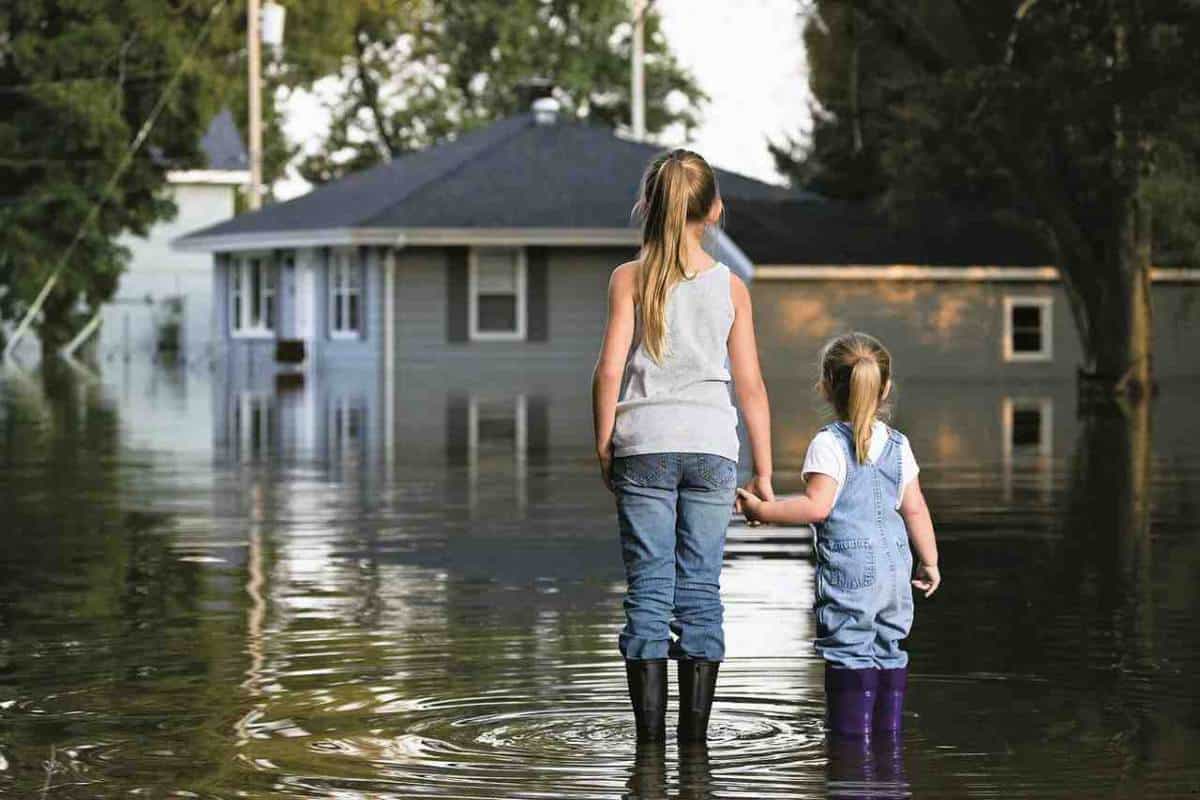
Flooding in commercial buildings can be devastating, affecting operations, safety, and long-term property integrity. In Palm Bay, businesses face unique challenges during hurricane season, heavy summer rains, or plumbing failures. Water intrusion not only damages structural components but also creates conditions conducive to mold, mildew, and compromised indoor air quality.
This comprehensive guide explains the step-by-step process for flood restoration in Palm Bay commercial buildings, highlighting preventive strategies and the importance of timely professional intervention.
Understanding Flood Damage in Commercial Properties
Commercial buildings in Palm Bay vary from office complexes to retail spaces, warehouses, and mixed-use facilities. Floodwater can impact multiple systems and surfaces simultaneously:
- Structural elements: Walls, ceilings, flooring, and foundation materials absorb water, potentially weakening structural integrity.
- Electrical systems: Water intrusion may short-circuit wiring, outlets, and equipment, creating safety hazards.
- HVAC and ventilation systems: Moisture can enter ducts, promoting mold growth and spreading contaminants.
- Inventory and furniture: Business assets, including stock, office furniture, and equipment, can be severely damaged.
- Documents and records: Critical paperwork may be compromised without proper immediate attention.
Due to the complexity of commercial properties, professional flood restoration ensures all areas—visible and hidden—are addressed safely.
Why Commercial Buildings Are Particularly Vulnerable
Several factors make commercial structures in Palm Bay susceptible to flood damage:
- Large Footprint
- Bigger square footage means water can penetrate multiple areas simultaneously.
- Multiple Tenants or Departments
- Coordination among occupants may delay initial response.
- Older Building Systems
- Aging plumbing, roofing, and drainage may not handle sudden water intrusion effectively.
- High-Risk Locations
- Coastal proximity and flat terrain increase exposure to storm surges and heavy rainfall.
- Critical Operations
- Businesses rely on continuous operation, making prompt restoration essential to minimize downtime.
Common Causes of Flooding in Commercial Buildings
Commercial flooding typically stems from a combination of natural events and structural issues:
- Heavy rains and hurricanes: Seasonal storms can overwhelm stormwater systems.
- Roof leaks: Aging roofing materials or storm damage allow water to penetrate.
- Plumbing failures: Burst pipes, broken valves, or failed HVAC condensate lines.
- Basement or slab foundation seepage: Poor drainage and grading lead to water accumulation.
- Nearby waterway overflow: Can affect properties close to rivers, canals, or stormwater ponds.
Understanding these causes allows property managers to target preventive measures in addition to restoration.
Step 1: Initial Assessment and Safety Inspection
The first step in flood restoration is a comprehensive assessment:
- Evaluate the extent of flooding across all areas, including office spaces, warehouses, and basements.
- Identify hazards: Electrical risks, structural compromise, and contaminated water.
- Document damage: Photos and records support insurance claims and restoration planning.
Safety is paramount, especially in commercial properties where electrical systems, equipment, and structural integrity are affected.
Step 2: Water Extraction
Removing standing water quickly is critical to prevent further damage:
- Industrial pumps and vacuums remove large volumes of water efficiently.
- Portable extraction units handle smaller areas or spaces with restricted access.
- Segregation of contaminated zones prevents cross-contamination in areas with clean water.
Rapid extraction reduces the risk of mold growth and structural compromise.
Step 3: Drying and Dehumidification
Once standing water is removed, thorough drying is essential:
- High-capacity dehumidifiers and air movers accelerate evaporation of moisture from floors, walls, and ceilings.
- Moisture meters and thermal imaging identify hidden damp spots behind walls or under flooring.
- Continuous monitoring ensures all areas reach safe moisture levels before restoration begins.
Effective drying is the most critical step for long-term prevention of mold and rot.
Step 4: Cleaning and Sanitization
Commercial floodwaters often carry contaminants such as bacteria, debris, and chemicals:
- Surface cleaning: Hard surfaces like tiles, metal, and wood are disinfected.
- Content cleaning: Office furniture, electronics, and equipment are assessed and sanitized if possible.
- Carpet and upholstery treatment: Porous materials may require deep cleaning or replacement depending on contamination.
Sanitization ensures the property is safe for occupants once restored.
Step 5: Mold Prevention and Treatment
Post-flood conditions in Palm Bay—warm and humid—are ideal for mold growth:
- Apply anti-microbial treatments to walls, subfloors, and HVAC systems.
- Inspect hidden areas like crawlspaces, ceilings, and ductwork.
- Replace heavily contaminated materials such as drywall, insulation, or carpet padding.
Preventing mold at this stage reduces future remediation costs and protects indoor air quality.
Step 6: Structural Repairs and Restoration
After drying and cleaning:
- Repair or replace damaged walls, ceilings, and flooring.
- Inspect electrical and plumbing systems to ensure safety and functionality.
- Repaint and restore finishes to return the building to operational condition.
Commercial restoration often involves phased work to allow businesses to resume operations safely.
Step 7: Post-Restoration Inspection
Final inspection ensures:
- Moisture levels are safe and within industry standards.
- Mold and microbial threats have been mitigated.
- All structural and cosmetic repairs are complete.
Documentation from the inspection can be useful for insurance claims and regulatory compliance.
Preventive Measures for Commercial Buildings
Preventing future flood damage reduces costs and downtime:
- Regular Roof and Plumbing Maintenance
- Inspect and repair leaks promptly.
- Ensure gutters and downspouts are clear and functional.
- HVAC and Dehumidification
- Maintain air conditioning units to prevent condensate overflow.
- Use industrial dehumidifiers in basements or storage areas during humid months.
- Drainage Improvements
- Regrade landscapes and install French drains or sump pumps as needed.
- Tenant and Staff Awareness
- Educate employees and tenants on reporting water intrusion immediately.
- Routine Inspections
- Professional inspections after storms, heavy rainfall, or seasonal changes catch potential problems early.
Costs of Commercial Flood Restoration
Restoration costs vary widely depending on building size, water volume, and damage severity:
- Small-scale office or retail space: $2,000–$7,000
- Medium-sized commercial property: $7,000–$20,000
- Large facilities or warehouses with extensive damage: $20,000+
Investing in professional restoration minimizes long-term damage and liability while safeguarding operations.
Why Local Expertise Matters
Palm Bay flood restoration professionals understand:
- Florida’s humid climate and hurricane-prone environment
- Coastal construction materials and vulnerabilities
- Local building codes and insurance requirements
- Effective mold prevention and moisture management specific to commercial properties
Local expertise ensures efficient restoration with minimal disruption to business operations.
Conclusion
Flood restoration in Palm Bay commercial buildings is a complex, multi-step process that requires professional expertise. Rapid water extraction, thorough drying, cleaning, mold prevention, structural repair, and post-restoration inspection are all critical for ensuring long-term building safety.
By combining restoration services with preventive strategies such as proper drainage, HVAC maintenance, and routine inspections, commercial property owners can protect assets, minimize downtime, and prevent future flood damage. Timely, professional intervention is key to maintaining operational continuity and safeguarding both property and occupant health in Palm Bay’s challenging climate.