
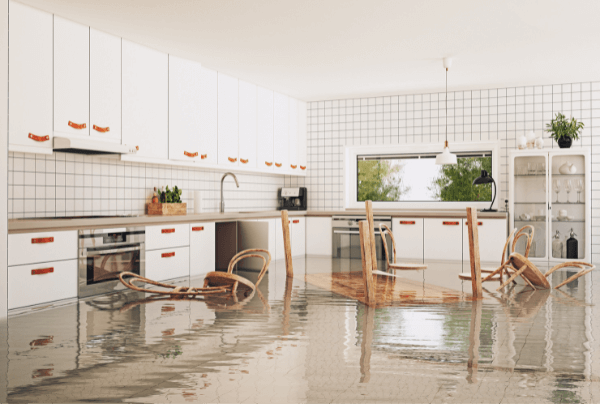
Palm Bay Emergency Water Removal After Flooding: Step-by-Step Process Explained
Flooding in Palm Bay doesn’t wait for a convenient time.
It happens during a midnight thunderstorm. After a washing machine hose bursts while you’re at work. When a tropical system stalls over Brevard County and dumps inches of rain in hours.
When water is inside your home, the first priority is simple: remove it fast. But emergency water removal isn’t just about getting the water off the floor. It’s about stopping moisture from spreading into walls, insulation, subfloors, and HVAC systems — especially in Florida’s humid climate.
Here’s what homeowners in Palm Bay should expect during professional emergency water removal, step by step.
Why Fast Action Matters in Palm Bay
Palm Bay’s climate makes flooding more complicated than in drier states.
After water intrusion:
- Humidity stays high
- Materials absorb moisture quickly
- Drying slows dramatically
- Mold risk increases within 24–48 hours
Even small amounts of standing water can lead to:
- Swollen baseboards
- Warped flooring
- Damp drywall
- Musty odor
- Hidden structural moisture
The faster water is removed and drying begins, the more materials can be saved.
Common Causes of Emergency Flooding in Palm Bay
Emergency water removal calls typically follow:
- Heavy rain overwhelming drainage systems
- Hurricane or tropical storm intrusion
- Slab foundation seepage
- Water heater failures
- Washing machine hose bursts
- AC drain line backups
- Plumbing supply line failures
Palm Bay homes often sit on slab foundations, which means water spreads outward across floors quickly and wicks upward into drywall edges.
Step-by-Step Emergency Water Removal Process
Proper emergency response follows a structured plan — not guesswork.
Step 1: Immediate Assessment and Safety Check
Before equipment is deployed, the property is assessed for:
- Electrical hazards
- Structural concerns
- Source of water
- Category of water (clean, gray, or storm-related)
Safety comes first. Power may need to be shut off in affected areas.
Step 2: Stop the Water Source
If the flooding is active:
- Shut off plumbing supply lines
- Stop appliance leaks
- Address roof intrusion points temporarily
- Clear AC drain backups
Water removal without stopping the source only delays the problem.
Step 3: Standing Water Extraction
Commercial extraction equipment is used to remove visible water quickly.
This may include:
- Truck-mounted extraction systems
- Portable extraction units
- Submersible pumps (for deeper water)
The goal is rapid removal to reduce material saturation.
In Palm Bay’s humidity, every hour matters.
Step 4: Moisture Detection and Mapping
After surface water is removed, hidden moisture is identified.
Using moisture meters and thermal imaging, technicians check:
- Lower drywall sections
- Baseboards
- Subflooring
- Adjacent rooms
- Cabinet bases
- Closet interiors
Water rarely stays in one room.
Mapping prevents surprises later.
Step 5: Removal of Unsalvageable Materials
Some materials cannot be dried effectively, especially in Florida humidity.
Common removals include:
- Saturated carpet padding
- Swollen baseboards
- Wet insulation
- Lower drywall sections (when necessary)
- Damaged cabinet toe-kicks
Selective removal protects structural components while preventing mold growth.
Step 6: Structural Drying
This is the most critical stage.
Commercial-grade:
- Dehumidifiers
- High-velocity air movers
- Air scrubbers (if needed)
are placed strategically based on moisture readings.
Drying focuses on materials, not just air.
Daily monitoring ensures moisture levels decrease properly.
Step 7: Humidity Control
Palm Bay’s high ambient humidity can slow drying dramatically.
Indoor humidity is reduced to stabilize:
- Framing
- Subfloors
- Drywall
- Cabinet structures
Humidity control prevents secondary moisture damage.
Step 8: Cleaning and Sanitizing
After drying, affected surfaces are cleaned to reduce contamination and odor.
If flooding involved storm water or plumbing backups, additional sanitation steps may be required.
Step 9: Repairs and Restoration
Only after moisture levels are verified dry does reconstruction begin:
- Drywall replacement
- Insulation reinstallation
- Trim repair
- Flooring replacement
- Painting
Rebuilding too early traps moisture and leads to recurring issues.
How HVAC Systems Are Affected
If the AC system operated during flooding:
- Moist air may circulate through ductwork
- Duct insulation can become damp
- Return chases may hold moisture
- Condensate systems may clog
HVAC inspection is often part of emergency water removal in Palm Bay homes.
Ignoring HVAC moisture can lead to ongoing odor problems.
Mold Risk After Flooding
In Florida, mold growth can begin quickly when:
- Materials remain damp
- Indoor humidity stays elevated
- Airflow is limited
If water removal is delayed, mold remediation may become necessary.
Palm Bay Mold Removal frequently handles post-flood inspections across Palm Bay, Melbourne, Rockledge, Satellite Beach, and Merritt Island — especially when homeowners notice musty odors days after flooding.
The key is moisture control first.
What Affects Emergency Water Removal Costs
Costs depend on:
- Size of affected area
- Depth of water intrusion
- Duration before response
- Type of water involved
- Amount of material removal required
- Drying time
- Reconstruction scope
Small, quickly addressed leaks cost far less than multi-room flooding left untreated for days.
Fast response reduces overall expense.
How to Minimize Damage Before Help Arrives
If it’s safe:
- Shut off the water source
- Turn off electricity in affected areas
- Remove small items from wet floors
- Lift furniture off the ground
- Avoid using household fans in high humidity (they often spread moisture)
But avoid tearing out materials without moisture assessment.
Why Local Experience Matters
Emergency water removal in Palm Bay isn’t the same as in dry climates.
Local challenges include:
- High groundwater levels
- Slab foundations
- Coastal humidity
- Frequent storms
- AC-driven condensation
Homes in Palm Bay, West Melbourne, Melbourne, Viera, Titusville, and Merritt Island all share similar moisture behavior patterns.
Understanding how water travels in Florida homes allows for faster, more targeted drying.
A Calm Next Step
If your Palm Bay home experiences flooding, immediate action makes the difference between minor drying and major reconstruction.
Emergency water removal is about:
- Rapid extraction
- Thorough moisture mapping
- Controlled structural drying
- Preventing mold growth
Handled quickly and correctly, even significant flooding can be stabilized and restored.
In Florida’s climate, time is the most important factor.