
Palm Bay AC Mold Cleaning in Older Homes: Step-by-Step Process Explained
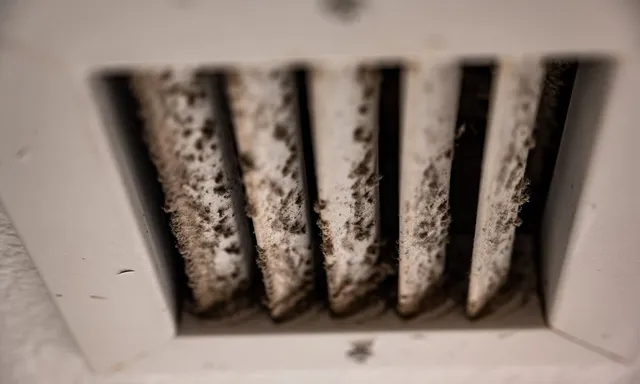
Older homes in Palm Bay have a lot going for them—solid construction, established neighborhoods, and often more character than newer builds. But they also tend to have one common problem that shows up again and again in Brevard County: moisture management. When an older HVAC system, aging ductwork, or poor ventilation meets Florida humidity, AC-related mold becomes a very real maintenance issue.
AC mold isn’t always obvious. Sometimes it starts as a faint musty smell when the system kicks on. Other times it shows up as recurring dust around vents, dampness near the air handler closet, or stubborn mildew on supply registers that keeps coming back. The good news is that AC mold cleaning can be done correctly and safely when it’s approached as both a cleaning job and a moisture-control job—especially in older Palm Bay homes with older ducts, older insulation, and decades of small repairs.
Below is a clear, homeowner-friendly step-by-step explanation of how AC mold cleaning should work, what to look for, and how to prevent repeat problems.
What AC Mold Cleaning Really Means
AC mold cleaning is not just wiping down vent covers. Mold related to air conditioning typically involves moisture and contamination in one or more of these areas:
- The air handler cabinet (inside the closet or garage)
- The evaporator coil area and drain pan
- The condensate drain line
- Supply and return ductwork
- The return plenum and nearby insulation
- Registers, boots, and vent openings
- Adjacent building materials (drywall, framing, insulation) affected by condensation
A proper approach focuses on removing contamination and correcting the moisture conditions that allowed it to grow. Otherwise, the odor and staining return—sometimes within weeks during humid months.
Why This Happens So Often in Palm Bay Older Homes
Palm Bay’s humidity and long AC season create constant condensation conditions. In older homes, the risk often increases because:
- Ductwork may be original or patched over time, with gaps and failing insulation
- Return plenums and boots may have older materials that trap dust and moisture
- Air handlers may be undersized, oversized, or poorly draining
- Attic ventilation and insulation may be inconsistent, leading to hot, humid attic air surrounding ducts
- Older windows, doors, or wall penetrations can allow humid outdoor air to infiltrate
- Bathrooms or laundry rooms may have weak exhaust ventilation
In nearby areas like Melbourne, West Melbourne, Rockledge, Merritt Island, Viera, Satellite Beach, Cocoa Beach, and Titusville, the same pattern shows up after heavy rains, long humid stretches, or storm season power interruptions.
Early Signs Homeowners Notice
If you’re trying to catch AC mold early, these are the signs that matter most in older homes:
- Musty smell strongest when the AC turns on
- A damp, “dirty sock” odor near the return grille or air handler closet
- Visible spotting on vent covers or around supply registers
- Recurring “mildew” film on vents shortly after cleaning
- Dust buildup that returns unusually fast
- Condensation around vents or on nearby ceilings
- Elevated indoor humidity that doesn’t improve even with AC running
- A drip pan that overflows, stains, or a clogged drain line history
- Water staining on drywall near the air handler or return
These signs don’t automatically mean the ducts are full of mold, but they strongly suggest moisture is present where it shouldn’t be—and that’s when a professional inspection is worth it.
Hidden or Overlooked Sources in Older HVAC Setups
In Palm Bay older homes, AC mold often ties back to a few repeat culprits:
- Clogged condensate drain lines that back up and keep the coil area wet
- Cracked or rusted drain pans that hold standing water
- Poorly sealed returns pulling humid attic or wall-cavity air into the system
- Duct insulation failures allowing condensation on metal ducts in hot attics
- Low airflow from dirty coils, restrictive filters, or undersized returns
- Negative pressure causing humid air infiltration through gaps and penetrations
A good AC mold cleaning plan starts by identifying which of these is happening before anyone “cleans” anything.
Why DIY AC Mold Cleaning Usually Fails
Older homes tempt homeowners into quick fixes: bleach wipes on vent covers, scented sprays, or shop-vac cleaning around registers. The problem is that AC mold is rarely just on the surface.
DIY efforts commonly fail because:
- The moisture source (drain line, airflow, insulation, return leaks) stays in place
- Mold or bacterial growth may be inside the air handler cabinet or coil area
- Cleaning vents doesn’t address contaminated dust deeper in boots or plenums
- Sprays can mask odor without correcting humidity and condensation
- Aggressive wiping can dislodge debris and spread it through the system
If the system keeps producing moisture and pulling humid air, the same conditions return—especially during Palm Bay’s hottest months.
Professional Mold Inspection and Testing Explained
Before cleaning, a proper professional visit should start with inspection and moisture logic. That typically includes:
- Checking the air handler cabinet for staining, moisture, and debris patterns
- Inspecting the drain pan and testing drain line flow
- Looking for rust, overflow marks, or microbial staining inside the cabinet
- Measuring humidity and checking whether the system is controlling moisture properly
- Inspecting supply and return connections for gaps, damage, or poor sealing
- Reviewing attic duct insulation condition (common in older homes)
- Moisture meter checks on nearby drywall or framing if condensation is suspected
Testing isn’t always necessary, but it can help when odors persist without visible growth, when a rental property needs documentation, or when previous cleaning didn’t solve the problem. Local teams like Palm Bay Mold Removal often see the same AC moisture patterns across older Brevard County homes, which helps target the inspection to the right areas without guesswork.
Step-by-Step AC Mold Cleaning Process
Step 1: Confirm the Moisture Cause First
The first step is confirming why the system is staying damp. That usually means checking the drain line, drain pan, coil area, and airflow. If this part is skipped, any cleaning is temporary.
Step 2: Protect the Home and Isolate the Work Area
Good work avoids spreading debris into living areas. That may include protecting floors near the air handler closet, sealing off access panels, and using proper filtration during cleaning.
Step 3: Clean the Air Handler Interior
The inside of the cabinet is where moisture and dust meet. Cleaning focuses on removing buildup, addressing microbial staining, and ensuring the cabinet isn’t holding standing water. This is also where condensation issues often reveal themselves.
Step 4: Address the Evaporator Coil Area
Coils can collect dust and hold moisture. When airflow is restricted, surfaces stay wet longer than they should. Proper coil-area cleaning improves airflow and reduces the conditions that support recurring growth.
Step 5: Clear and Flush the Condensate Drain Line
A clogged drain line is one of the most common causes of repeat odor and moisture. Clearing and flushing the line—and confirming proper drainage—often makes a noticeable difference immediately.
Step 6: Inspect and Correct Return-Air Problems
Older homes often have leaky returns. If the system pulls humid attic air or wall-cavity air, mold risk rises. Sealing return connections and improving return design (when needed) helps stabilize humidity.
Step 7: Duct and Vent Cleaning Where It’s Actually Needed
Not every situation requires full duct cleaning. The focus should be on:
- Heavier buildup near boots and registers
- Return-side dust accumulation
- Areas with visible staining or odor concentration
- Sections affected by past water events or condensation
When duct cleaning is appropriate, it should be paired with airflow correction and moisture control so the ductwork stays clean longer.
Step 8: Drying and Humidity Control
If nearby materials have been damp—drywall near a vent, insulation around ducts, or wood framing—drying and dehumidification may be needed. This is where moisture detection and targeted drying equipment matters.
Step 9: Repair Work When Water Damage Is Involved
In some older Palm Bay homes, AC condensation leads to slow water damage: softened drywall, staining, or swollen trim. That’s when water damage repair and restoration steps may be required—replacing affected drywall sections, addressing insulation, and ensuring the cavity is dry before closing it back up.
Step 10: Verify the System is Stable
A proper job ends with verification: the drain flows, humidity is under control, airflow is improved, and the areas that were damp are now dry. This is what prevents the “it came back” cycle.
Flood Restoration, Moisture Detection, and Why It Connects
Even if the original issue is “just AC,” older homes in Palm Bay often have layered moisture problems—past roof leaks, storm intrusion, or minor flooding. Moisture detection helps confirm whether the AC issue is part of a bigger picture. If flooding or storm water ever affected floors, carpets, or wall bottoms, professional water removal, flood restoration, and drying may be necessary to prevent hidden mold in building materials.
How to Prevent AC Mold in Palm Bay Older Homes
A few practical steps make a major difference:
- Replace filters on schedule and avoid overly restrictive filters that reduce airflow
- Have the drain line checked and maintained routinely
- Keep the air handler area clean and dry—especially in garages or closets
- Make sure bathroom exhaust fans actually vent outdoors and run long enough
- Address attic duct insulation failures quickly (a common older-home issue)
- Watch indoor humidity levels, especially during rainy weeks and storm season
- If odors return, don’t mask them—inspect the system and confirm moisture is controlled
Why Local Experience Matters
Coastal humidity, long AC seasons, and storm-driven moisture make Palm Bay homes different from homes in drier regions. Older houses add extra variables: mixed upgrades, patched duct runs, and older insulation that may not perform well in modern humidity conditions. A local, experience-based approach helps identify whether the real issue is the drain line, return leakage, attic duct sweating, or a hidden moisture pocket elsewhere. Palm Bay Mold Removal serves Palm Bay and surrounding Brevard County communities and sees these older-home patterns frequently, which helps homeowners get a solution that actually lasts.
Calm, Trust-Based Call to Action
If your older Palm Bay home has a musty AC odor, recurring vent staining, or persistent humidity that doesn’t make sense, a professional inspection can bring clarity quickly. The sooner you identify the moisture source and clean the right components the right way, the less disruptive the fix usually is—and the better your long-term results will be.
Photorealistic image of an older Florida home’s HVAC air handler closet interior with light condensation staining near the drain pan area, natural indoor lighting, no people, no hands, no faces, no reflections, no text, no logos.
Photorealistic image of a ceiling supply vent and surrounding drywall in an older Palm Bay home showing subtle moisture discoloration and early mold spotting around the vent edge, realistic textures, natural daylight, no people, no text, no logos.
Photorealistic image of attic ductwork in an older Brevard County home with damaged duct insulation and visible condensation moisture on the outer jacket near a duct connection, natural attic lighting, no people, no text, no logos.