
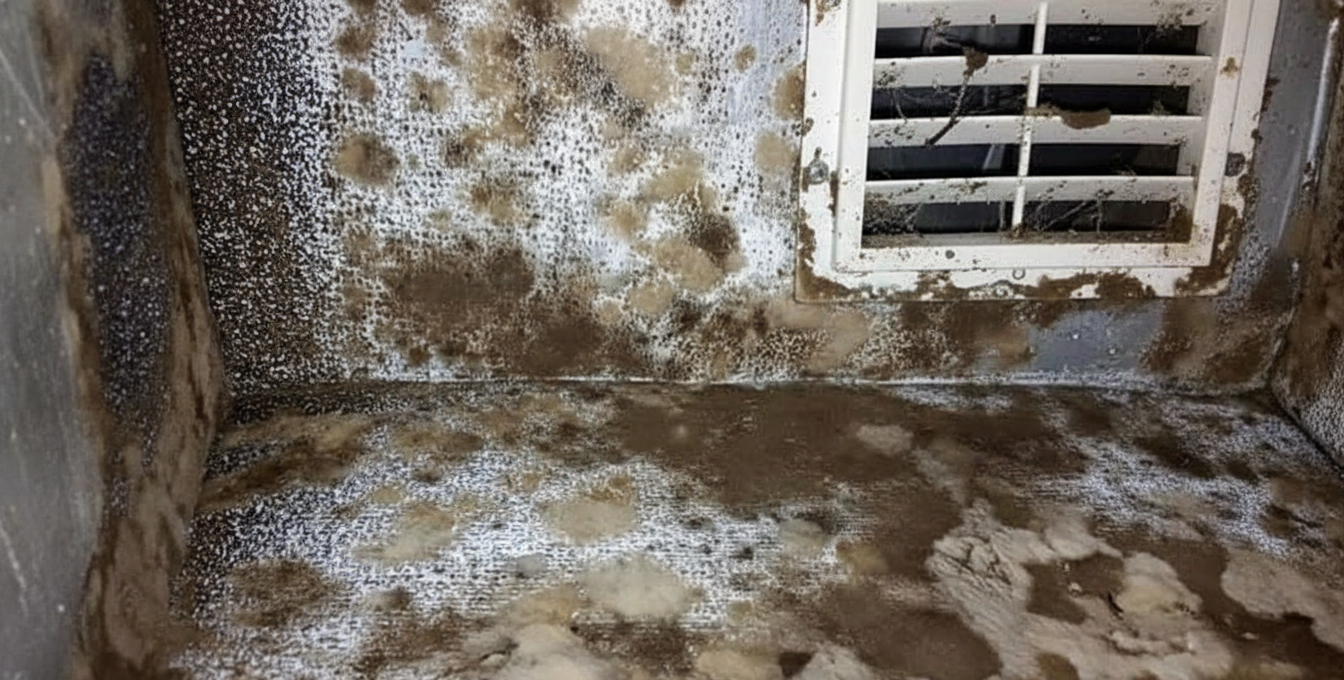
Palm Bay AC Mold Cleaning in Commercial Buildings: Complete Guide for Homeowners
Many Palm Bay residents own or manage small commercial buildings, rental properties, mixed-use structures, or home-based businesses that rely heavily on air conditioning systems. In Florida’s humid climate, these buildings face a common but often hidden issue: mold growth inside air conditioning systems and ductwork.
When mold develops inside HVAC systems, it can spread spores throughout the entire building, affecting indoor comfort and potentially damaging building materials. Because commercial systems often operate continuously, contamination can spread quickly before anyone realizes there is a problem.
Understanding how mold develops inside AC systems and how professional cleaning solves the issue helps property owners protect both buildings and occupants.
Understanding Mold Growth in AC Systems
Air conditioning systems are designed to remove heat and humidity from indoor air. However, when moisture builds up inside the system or ducts, mold can begin growing on internal surfaces.
Commercial systems are especially vulnerable because they operate for long periods and handle larger volumes of air. Mold may develop on:
• Cooling coils
• Drain pans
• Air handlers
• Duct interiors
• Insulation surrounding ducts
Once mold begins growing, spores circulate throughout the building whenever the system runs, affecting air quality and creating unpleasant odors.
Because mold often grows inside equipment, contamination may remain unnoticed until symptoms become obvious.
Why AC Mold Is Common in Palm Bay Commercial Buildings
Commercial buildings across Palm Bay, Melbourne, West Melbourne, Rockledge, and surrounding communities face environmental conditions that encourage mold development.
Contributing factors include:
• Year-round high humidity
• Heavy seasonal rainfall
• AC systems running constantly
• Poor maintenance of commercial HVAC systems
• Condensation buildup in ducts
• Roof or plumbing leaks entering mechanical areas
Older buildings, especially those constructed decades ago, may lack modern moisture control designs. Meanwhile, newer buildings can experience problems if HVAC systems are oversized or poorly maintained.
Commercial tenants often notice comfort problems before building owners realize mold is present.
Warning Signs of Mold Inside AC Systems
Mold problems rarely start visibly. Instead, they usually reveal themselves through indoor air quality changes.
Common warning signs include:
• Musty odors when AC runs
• Increased indoor humidity
• Employees or tenants noticing stale air
• Mold spots around vents or ceilings
• Increased dust buildup
• AC struggling to maintain comfort
• Persistent odors in certain areas
Sometimes occupants simply notice the air feels heavy or unpleasant.
Ignoring these early signals allows contamination to spread further.
Hidden Areas Mold Often Grows
Commercial HVAC systems contain many concealed components that can trap moisture.
Common hidden mold locations include:
• Inside duct insulation
• Cooling coils and condensate pans
• Air handler cabinets
• Ceiling spaces around duct runs
• Mechanical rooms with poor ventilation
Moisture can accumulate quietly in these areas, creating conditions for mold growth without visible signs.
Because commercial systems are complex, professional inspections are usually necessary.
Why DIY Cleaning Attempts Fail
Building managers sometimes try replacing filters or cleaning visible vents, but this rarely addresses deeper contamination.
Surface cleaning cannot reach:
• Mold inside ducts
• Wet insulation around ductwork
• Contamination inside HVAC components
• Hidden moisture sources
Improper cleaning methods can even spread spores further.
Professional cleaning uses specialized tools designed for commercial HVAC systems.
Professional Mold Inspection and Testing Explained
Professional inspections begin with identifying moisture sources and contamination areas within the HVAC system.
Inspection steps often include:
• Moisture measurements around HVAC components
• Duct interior inspections
• Thermal imaging scans
• Inspection of drain pans and coils
• Humidity level evaluation
Technicians then determine how far mold contamination has spread and what cleaning steps are required.
Local specialists such as Palm Bay Mold Removal understand common HVAC moisture issues in Brevard County buildings and tailor inspections accordingly.
Proper AC Mold Cleaning and Remediation
Professional AC mold remediation focuses on cleaning both equipment and airflow pathways.
Typical cleaning procedures include:
• Containment of affected areas
• Removal of contaminated insulation when necessary
• Cleaning and sanitizing coils and air handlers
• HEPA vacuum extraction inside ducts
• Application of antimicrobial treatments where appropriate
• Drying components to prevent recurrence
The goal is not only removal but preventing mold from returning.
Proper remediation restores air quality and system efficiency.
Water Damage and Its Role in AC Mold Growth
Many commercial mold issues originate from past water damage events. Roof leaks, plumbing failures, or flooding often introduce moisture into mechanical systems.
Water intrusion may soak:
• Ceiling spaces containing ducts
• HVAC insulation materials
• Mechanical rooms
• Electrical and ventilation components
If moisture remains after repairs, mold develops inside hidden areas.
Restoration services often include structural drying, insulation replacement, and sanitizing affected spaces.
Addressing both water damage and HVAC contamination is critical.
How AC Systems Impact Indoor Air Quality
HVAC systems directly control indoor air circulation. When systems become contaminated, air quality throughout the building declines.
Common air quality effects include:
• Persistent odors
• Increased airborne particles
• Humidity imbalance
• Reduced comfort levels
Clean HVAC systems improve airflow, reduce odors, and create more comfortable indoor environments.
Regular maintenance plays an important role in preventing problems.
Preventing Mold in Commercial AC Systems
Preventive maintenance is the most effective way to avoid future contamination.
Building owners can reduce risk by:
• Scheduling routine HVAC maintenance
• Inspecting roofs annually for leaks
• Ensuring proper drain line function
• Replacing filters regularly
• Monitoring indoor humidity levels
• Inspecting ducts after water intrusion
• Improving ventilation in mechanical areas
Early maintenance prevents small moisture problems from becoming costly remediation projects.
Why Local Experience Matters in Palm Bay
Commercial buildings in Palm Bay, Viera, Merritt Island, Titusville, and nearby communities share common environmental challenges.
Local professionals understand:
• Florida humidity impacts on HVAC systems
• Storm-related leak patterns
• Construction styles common in commercial buildings
• Coastal moisture effects
Experience working with regional conditions leads to faster diagnosis and more effective solutions.
Local knowledge ensures remediation addresses real causes rather than temporary symptoms.
Protecting Building Comfort and Property Value
Commercial property owners depend on comfortable indoor environments for tenants, customers, and employees. Mold contamination inside AC systems can damage reputation, reduce tenant satisfaction, and lead to costly repairs.
If occupants notice musty smells, humidity issues, or airflow problems, a professional inspection may reveal hidden contamination before damage spreads.
Trusted local professionals such as Palm Bay Mold Removal help building owners identify HVAC moisture issues and restore clean, comfortable indoor air.
Taking action early protects both property value and occupant comfort, keeping Palm Bay commercial buildings running smoothly even in Florida’s challenging climate.