
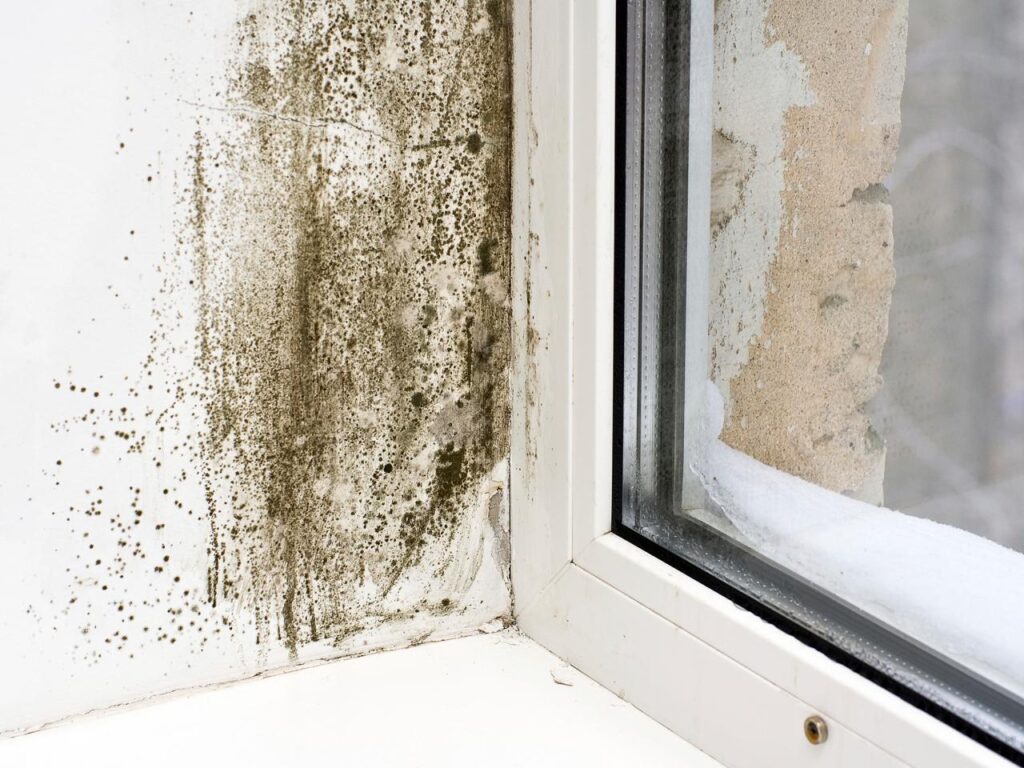
Mold Testing Services in West Melbourne After Storm Damage: How to Prevent Future Damage
Storm season in West Melbourne is never just about wind and rain. Once the skies clear, what’s left behind inside homes is often the bigger issue. Water intrusion, trapped humidity, and hidden moisture create ideal conditions for mold growth within 24 to 48 hours.
For homeowners across West Melbourne, Melbourne, Palm Bay, and surrounding Brevard County communities, mold testing after storm damage isn’t optional. It’s a critical step in protecting both property and long-term structural integrity.
What Storm Damage Means for Mold Growth
When storms move through West Melbourne, they bring heavy rain, strong winds, and occasional flooding. Roof shingles loosen. Window seals fail. Soffits crack. Even minor leaks allow water to seep into drywall, insulation, and flooring.
That moisture doesn’t simply disappear.
Florida’s high humidity slows natural drying. Even if surfaces look dry, moisture often remains trapped behind walls, under flooring, or inside attic insulation. That hidden dampness is exactly what mold needs to grow.
In many homes, the damage is not immediately visible. That’s why professional mold testing becomes essential after any storm-related water event.
Why West Melbourne Homes Are Especially Vulnerable
West Melbourne’s climate plays a major role. High humidity levels throughout the year already push indoor moisture close to mold-friendly levels. Add storm-driven water intrusion and the problem escalates quickly.
Several local factors increase risk:
- Slab foundations that trap moisture
- Attics with limited ventilation
- Aging roofs in older neighborhoods
- AC systems running constantly during humid months
- Flood-prone areas near low elevations
Homes in nearby areas like Palm Bay, Rockledge, and Merritt Island face similar risks, especially after heavy seasonal storms. Even newer construction isn’t immune. Modern homes are built tightly, which can trap humidity inside if ventilation is inadequate.
Common Signs Homeowners Notice After Storms
Not all mold issues are obvious black patches on walls. After storm damage, homeowners in West Melbourne often report subtle warning signs first:
- A musty odor that wasn’t there before
- Warped baseboards or swelling drywall
- Water stains on ceilings
- Damp carpeting that feels slightly cool or clammy
- Increased indoor humidity
- Allergy-like irritation indoors
Sometimes mold growth begins behind walls or under flooring long before it becomes visible. By the time discoloration appears, colonies may already be well established.
This is why visual inspection alone is rarely enough.
Hidden or Overlooked Sources of Post-Storm Mold
In West Melbourne homes, mold frequently develops in areas homeowners don’t immediately think to check:
Attics – Wind-driven rain can enter through roof vents. Wet insulation holds moisture for weeks.
HVAC systems – Storm-related power interruptions and heavy humidity cause condensation buildup inside air handlers and ductwork.
Wall cavities – Water entering through window frames or siding can soak insulation.
Crawl spaces – Poor drainage during heavy rains allows moisture accumulation below flooring.
Under tile flooring – Moisture trapped beneath tile on slab foundations often goes undetected.
Without moisture detection tools and proper testing, these areas remain hidden risks.
Why DIY Mold Testing and Removal Usually Fails
Home improvement stores sell mold test kits and surface sprays. While they may seem convenient, they rarely provide accurate or complete information.
DIY surface tests only capture what’s visible. They don’t measure airborne spore levels or identify hidden growth behind materials. Surface cleaners may remove discoloration but do not address the underlying moisture source.
In many cases, improper cleaning actually spreads spores further through the home.
After storm damage, mold problems are often complex. Addressing them properly requires moisture mapping, air sampling, and source identification.
What Professional Mold Testing Involves
Professional mold testing in West Melbourne follows a systematic process designed to locate both visible and hidden growth.
1. Detailed Visual Inspection
The process begins with a comprehensive interior and exterior evaluation. This includes checking:
- Roof lines and attic spaces
- Window frames and doors
- Baseboards and drywall seams
- Flooring transitions
- HVAC systems and ductwork
Storm-related entry points are carefully assessed.
2. Moisture Detection
Specialized moisture meters and thermal imaging tools detect dampness inside walls and beneath flooring. These tools identify areas that appear dry on the surface but remain saturated internally.
3. Air Sampling
Air samples measure airborne mold spore concentrations. Indoor air is compared to outdoor control samples to determine if levels are elevated.
4. Surface Sampling (When Needed)
If visible growth exists, surface samples may be collected to identify mold types and severity.
5. Laboratory Analysis
Samples are analyzed to confirm findings and guide the remediation plan.
Palm Bay Mold Removal conducts thorough mold inspection and testing services throughout West Melbourne and surrounding Brevard County areas to ensure homeowners understand the full scope of contamination.
Proper Mold Remediation After Storm Damage
Testing provides the roadmap. Remediation follows strict procedures to prevent cross-contamination.
Professional mold removal typically includes:
- Containment of affected areas
- HEPA air filtration
- Removal of contaminated drywall or insulation
- Cleaning and treating structural framing
- Addressing moisture sources
- Controlled drying with commercial equipment
Simply spraying affected areas is not remediation. True remediation eliminates active growth and corrects the moisture issue that caused it.
Flood Restoration and Water Damage Repair
Storm damage often includes more than mold. Flood restoration may involve:
- Water extraction
- Structural drying
- Dehumidification
- Carpet removal or cleaning
- Subfloor drying
- Drywall repair
Acting quickly reduces mold risk significantly. The first 48 hours after water intrusion are critical.
Homes in Satellite Beach, Cocoa Beach, and Titusville frequently experience similar storm-related flooding, especially during heavy seasonal systems.
Air Ducts, AC Systems, and Storm-Related Mold
In West Melbourne, HVAC systems run nearly year-round. After storms, excess humidity and power fluctuations create condensation buildup in air handlers and ductwork.
Mold inside ducts can circulate spores throughout the home.
Post-storm inspection should include:
- Drain pan checks
- Condensate line inspection
- Duct interior assessment
- Filter evaluation
- Airflow balance review
Air duct cleaning may be necessary if contamination is confirmed.
AC-related moisture problems are one of the most overlooked contributors to recurring mold issues in Florida homes.
How to Prevent Future Mold Damage
Prevention requires a proactive approach.
Improve Drainage Around the Home
Ensure water flows away from the foundation. Clean gutters regularly and inspect downspouts after storms.
Inspect the Roof Annually
Even minor shingle damage can allow water entry during heavy rains.
Maintain Indoor Humidity Below 60%
Use dehumidifiers if necessary. Monitor humidity levels, especially during storm season.
Service HVAC Systems Regularly
Annual maintenance reduces condensation issues and airflow problems.
Address Leaks Immediately
Even small drips can saturate drywall over time.
Schedule Post-Storm Inspections
After major storms, a professional inspection helps catch hidden moisture early.
Preventative mold testing provides peace of mind, particularly in storm-prone areas like West Melbourne and Viera.
Why Local Experience Matters
Storm patterns, humidity levels, and building styles in West Melbourne are unique to Brevard County. Mold behavior in this region differs from drier climates.
A local company understands:
- Common roof vulnerabilities
- Typical attic ventilation challenges
- Slab foundation moisture patterns
- AC-related condensation issues
- Coastal humidity fluctuations
Palm Bay Mold Removal works extensively throughout West Melbourne, Palm Bay, Melbourne, and surrounding communities, providing mold testing and remediation based on real regional conditions.
Local experience leads to accurate diagnosis and effective prevention strategies.
A Calm, Practical Next Step
Storm damage can be stressful. Mold concerns add another layer of uncertainty. The key is not to panic, but to act thoughtfully.
If your West Melbourne home experienced water intrusion, flooding, or prolonged humidity after a storm, scheduling professional mold testing ensures hidden issues are identified early.
Addressing moisture properly today helps prevent larger structural repairs tomorrow.
Taking a measured, informed approach protects both your property and your long-term investment.