
Mold Testing Services in Titusville in Commercial Buildings: Costs, Causes, and Solutions
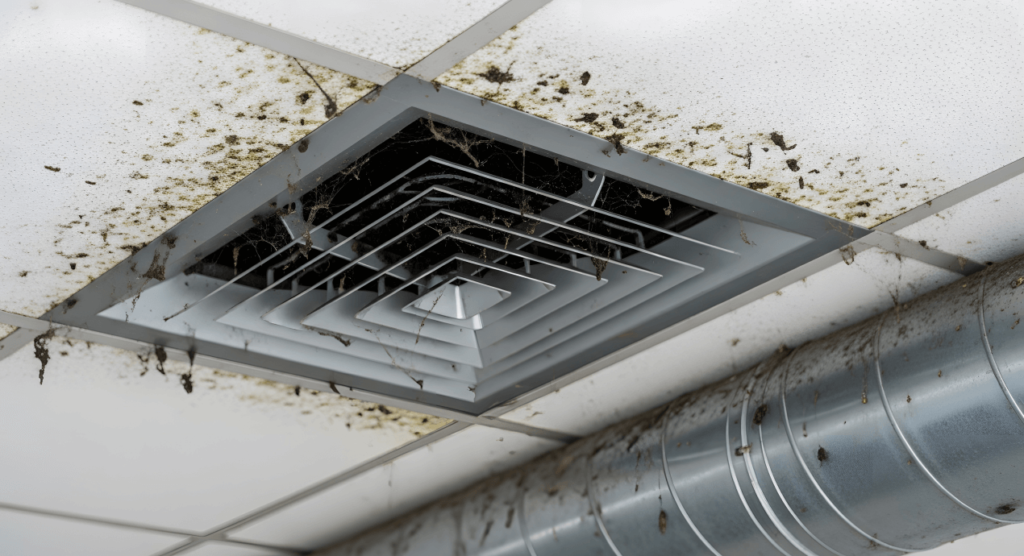
Commercial buildings in Titusville face unique challenges when it comes to moisture and mold control. Offices, retail spaces, warehouses, and mixed-use buildings often experience heavy HVAC use, roof exposure, plumbing wear, and humidity-related issues that can lead to hidden mold growth. For property owners and managers, mold contamination can affect tenant comfort, disrupt business operations, and result in expensive repairs if not addressed early.
Mold testing services help determine whether mold contamination is present, identify its causes, and guide proper remediation solutions. Understanding typical costs, causes, and corrective actions allows commercial property owners in Titusville to make informed decisions when moisture problems arise.
Nearby communities such as Cocoa Beach, Merritt Island, Rockledge, Melbourne, Palm Bay, Satellite Beach, and Viera experience similar mold risks due to Florida’s coastal climate and storm activity.
Why Mold Problems Develop in Commercial Buildings
Commercial buildings often contain larger HVAC systems, multiple occupancy areas, and complex plumbing systems. When moisture enters the building and remains trapped, mold growth can begin quickly.
Common moisture sources that lead to mold problems include:
- Roof leaks after storms or hurricanes
- Plumbing leaks in restrooms or kitchens
- Flooding from heavy rainfall or drainage failure
- HVAC condensation issues
- Poor ventilation in storage or mechanical rooms
- High indoor humidity levels
Moisture often spreads behind walls, under flooring, or inside insulation before becoming visible.
Typical Warning Signs of Mold in Commercial Spaces
Mold problems often begin hidden, but building occupants usually notice early warning signs.
Common warning signs include:
- Persistent musty odors in certain areas
- Damp or uncomfortable indoor air
- Visible staining on ceilings or walls
- Recurring moisture problems after storms
- Increased employee or tenant complaints about air quality
- Condensation forming on windows or ducts
- Warped drywall or peeling paint
When these symptoms appear, professional testing helps determine whether mold contamination is present.
Common Hidden Mold Locations in Commercial Buildings
Professional inspections frequently reveal mold growth in areas building occupants rarely see.
Common hidden mold locations include:
- Inside wall cavities affected by leaks
- Beneath carpet or flooring systems
- Inside attic insulation
- HVAC ducts and air handlers
- Utility rooms with poor ventilation
- Crawl spaces or mechanical areas
Moisture can travel far from the original leak source.
How Professional Mold Testing Works
Professional mold testing combines visual inspection with specialized equipment to identify contamination accurately.
A typical mold testing service includes:
- Moisture meter testing of walls and flooring
- Thermal imaging scans locating hidden damp areas
- Inspection of roof and attic structures
- HVAC and ductwork evaluation
- Leak detection checks
- Air sampling measuring mold spore levels
- Surface sampling when contamination is visible
Testing results help determine whether mold contamination is localized or affecting the entire building’s air quality.
Professionals familiar with Titusville commercial properties understand how moisture behaves in local construction styles and coastal conditions.
Palm Bay Mold Removal frequently assists property owners across Brevard County in identifying hidden mold risks in commercial buildings before damage spreads.
Mold Testing Costs in Commercial Buildings
Mold testing costs vary depending on building size, number of areas tested, and complexity of inspection.
Common factors affecting costs include:
- Building size and layout
- Number of samples required
- Accessibility of inspection areas
- Extent of suspected contamination
- HVAC system size and complexity
Small commercial spaces may require minimal testing, while large facilities may require more comprehensive evaluations. Early testing often saves money by preventing widespread contamination and expensive remediation.
What Happens After Mold Testing
If testing confirms mold contamination, remediation focuses on safely removing mold and correcting moisture problems.
Typical remediation steps include:
- Containment of affected areas
- Air filtration to reduce airborne spores
- Removal of contaminated materials when necessary
- Cleaning and antimicrobial treatment
- Structural drying and dehumidification
- Repair of moisture entry points
- Final moisture verification
Addressing moisture sources prevents mold from returning.
Water Damage Restoration and Mold Prevention
Many mold problems in commercial buildings begin after flooding or storm-related water intrusion. Restoration services often work alongside mold remediation.
Restoration services commonly include:
- Water extraction
- Structural drying
- Removal of wet materials
- Odor control treatment
- Repair of damaged materials
Quick restoration reduces mold risks and repair costs.
HVAC Systems and Mold Spread
Commercial HVAC systems circulate air throughout buildings. When moisture affects ducts or air handlers, mold spores can spread quickly.
Signs HVAC systems may need attention include:
- Musty odors when cooling systems run
- Uneven airflow between areas
- Excess dust near vents
- Persistent indoor humidity
Air duct inspection and cleaning may be necessary after remediation.
Preventing Mold Problems in Commercial Buildings
Preventive maintenance reduces long-term mold risks.
Helpful prevention strategies include:
- Regular roof inspections and maintenance
- Routine plumbing inspections
- Annual HVAC servicing
- Maintaining proper ventilation
- Moisture inspections after storms
- Prompt leak repairs
- Use of dehumidification systems during humid seasons
Buildings that maintain airflow and moisture control experience fewer mold problems.
Why Local Experience Matters
Commercial buildings in Titusville face environmental challenges unique to Florida’s coastal communities. Mold testing and remediation solutions must account for humidity, storms, and local construction methods.
Professionals familiar with Brevard County buildings understand how moisture behaves locally and can recommend practical solutions suited to regional conditions.
Palm Bay Mold Removal regularly works with commercial property owners across Titusville and nearby communities, applying restoration and inspection practices tailored to Florida’s climate.
A Smart Next Step for Property Owners
If tenants or employees report odors or moisture concerns, scheduling professional mold testing services helps identify problems before they become expensive repairs.
Early detection protects property value, maintains healthy indoor environments, and reduces operational disruption. Acting quickly allows Titusville commercial property owners to maintain safe and comfortable buildings for occupants.