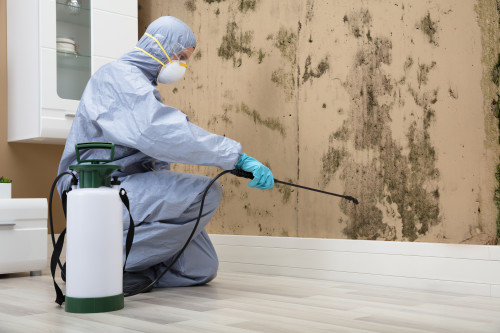
Mold Testing Services in Titusville After Hurricanes: How to Prevent Future Damage
Hurricanes are a regular concern for residents in Titusville, bringing heavy rainfall, flooding, and high humidity. While immediate water damage often gets attention, one of the most insidious consequences is mold growth. Mold can develop rapidly in damp environments and may remain hidden behind walls, under floors, or in attics, posing serious health risks and long-term structural damage.
For homeowners and rental property managers, mold testing services after hurricanes are essential to identify and mitigate potential problems. This guide explores the importance of mold testing, the signs of mold infestation, the step-by-step testing process, costs, and strategies to prevent future damage.
Why Mold Growth Is a Serious Concern After Hurricanes
Mold spores are naturally present in the environment, but hurricanes create ideal conditions for rapid growth:
- Excess Moisture
- Flooding, leaks, and roof damage increase moisture in walls, ceilings, and flooring
- High humidity and standing water provide a breeding ground for mold
- Warm Temperatures
- Florida’s subtropical climate accelerates mold proliferation
- Warm, damp conditions allow mold to grow within 24–48 hours
- Hidden Contamination
- Water intrusion behind walls or under flooring may go unnoticed
- Mold can remain hidden until it affects air quality or structural integrity
- Health Risks
- Mold exposure can trigger allergies, asthma, respiratory infections, and skin irritation
- Vulnerable populations such as children and elderly residents are at higher risk
- Structural Damage
- Prolonged mold growth weakens wood, drywall, and insulation
- Undetected mold can spread, increasing repair costs
Prompt mold testing is critical after hurricanes to protect both property and occupant health.
Common Signs That Mold May Be Present
Homeowners should watch for the following warning signs:
- Musty or earthy odors, particularly in basements, attics, or crawlspaces
- Visible discoloration or streaks on walls, ceilings, or floors
- Peeling paint, wallpaper, or warped wood
- Water stains or previous flooding marks
- Health symptoms among occupants, including sneezing, coughing, or headaches
- Condensation on windows or HVAC ducts
Even minor leaks can lead to mold, so early inspection is essential for preventing severe infestations.
Step-by-Step Mold Testing Process After Hurricanes
Professional mold testing follows a structured procedure to detect contamination and assess severity.
Step 1: Initial Assessment
- Inspect property for visible signs of water damage and mold
- Identify areas prone to moisture accumulation, such as attics, crawlspaces, and basements
- Determine potential sources of water intrusion
Step 2: Air Sampling
- Collect air samples from various locations in the home to detect airborne mold spores
- Use specialized equipment to measure spore concentrations
- Compare indoor and outdoor samples to assess contamination levels
Step 3: Surface Sampling
- Swab walls, floors, ceilings, and other suspect surfaces
- Tape-lift or bulk samples may be taken for laboratory analysis
- Tests identify the type and concentration of mold species
Step 4: Moisture Detection
- Use moisture meters or infrared cameras to identify hidden damp areas
- Evaluate walls, floors, and ceilings for trapped water or condensation
- Pinpoint areas likely to support future mold growth
Step 5: Laboratory Analysis
- Samples are analyzed to determine species, concentration, and potential health risks
- Results guide remediation strategies, ensuring targeted treatment
Step 6: Reporting and Recommendations
- Homeowners receive a detailed report including findings and recommended remediation
- Areas requiring mold removal, drying, or structural repairs are identified
- Preventive measures are suggested to reduce recurrence
Benefits of Mold Testing After Hurricanes
- Early Detection
- Identifies hidden mold before visible damage or health symptoms appear
- Health Protection
- Reduces exposure to allergens, toxins, and microbes
- Protects tenants and family members in residential or rental properties
- Cost Savings
- Prevents extensive repairs by addressing contamination early
- Helps avoid insurance disputes or liability claims in rental properties
- Targeted Remediation
- Ensures that remediation efforts are focused on affected areas
- Minimizes disruption and unnecessary removal of unaffected materials
- Peace of Mind
- Confirms the safety and habitability of the property after hurricanes
- Provides documentation for insurance and property management purposes
Preventive Measures to Reduce Future Mold Damage
Preventing mold is more cost-effective than remediation. Key strategies include:
1. Prompt Water Removal
- Immediately address flooding, leaks, and roof damage
- Use pumps, wet vacuums, and dehumidifiers to dry affected areas
2. Improve Ventilation
- Ensure attics, crawlspaces, and bathrooms are properly ventilated
- Use exhaust fans or vents to reduce humidity
3. Regular Inspections
- Inspect roofing, gutters, plumbing, and HVAC systems annually
- Monitor for leaks and water intrusion before the next hurricane season
4. Use Moisture Detection Tools
- Install moisture meters or sensors in vulnerable areas
- Detect hidden water or elevated humidity levels early
5. Waterproofing and Structural Repairs
- Seal cracks in foundations, walls, and roofs
- Ensure proper grading and drainage around the property
- Reinforce roofing and siding to withstand heavy storms
6. Education and Tenant Communication
- Inform tenants about mold risks and reporting procedures
- Encourage early reporting of leaks, flooding, or dampness
Costs of Mold Testing in Titusville
The cost of mold testing depends on home size, number of samples, and type of testing:
- Basic testing: $300–$600 for visual inspection and air samples
- Moderate testing: $600–$1,200 for multiple air and surface samples
- Comprehensive testing: $1,200–$2,500+ for extensive sampling, lab analysis, and reporting
Investing in testing after hurricanes can save thousands in remediation, property repair, and liability costs.
Challenges Specific to Titusville Homes
- High Humidity
- Coastal climate increases mold risk even without flooding
- Frequent Hurricanes
- Multiple storms per season compound damage and promote recurring mold
- Older Homes
- Aging roofing, plumbing, and ventilation systems may harbor hidden leaks
- Older insulation and drywall can trap moisture
- Hidden Contamination
- Mold may remain undetected behind walls or under floors, requiring specialized detection methods
Key Takeaways
- Hurricanes create ideal conditions for mold growth in Titusville homes.
- Early mold testing identifies contamination before it spreads or causes health problems.
- Professional testing includes inspection, air and surface sampling, moisture detection, and lab analysis.
- Preventive measures such as prompt drying, ventilation, and waterproofing reduce the likelihood of future damage.
- Mold testing protects health, preserves property value, and ensures safe, habitable living conditions.
Conclusion
For Titusville homeowners and rental property managers, hurricanes pose a significant risk for mold growth due to flooding, leaks, and high humidity. Mold testing services are an essential tool to detect hidden contamination, prevent health risks, and guide effective remediation.
By understanding warning signs, investing in professional testing, and implementing preventive strategies, property owners can safeguard homes, protect tenants, and minimize long-term structural and financial impacts. Proactive mold management ensures that Titusville properties remain safe, comfortable, and resilient in the face of hurricane-related water damage.