Mold Testing Services in Titusville After Flooding: Costs, Causes, and Solutions
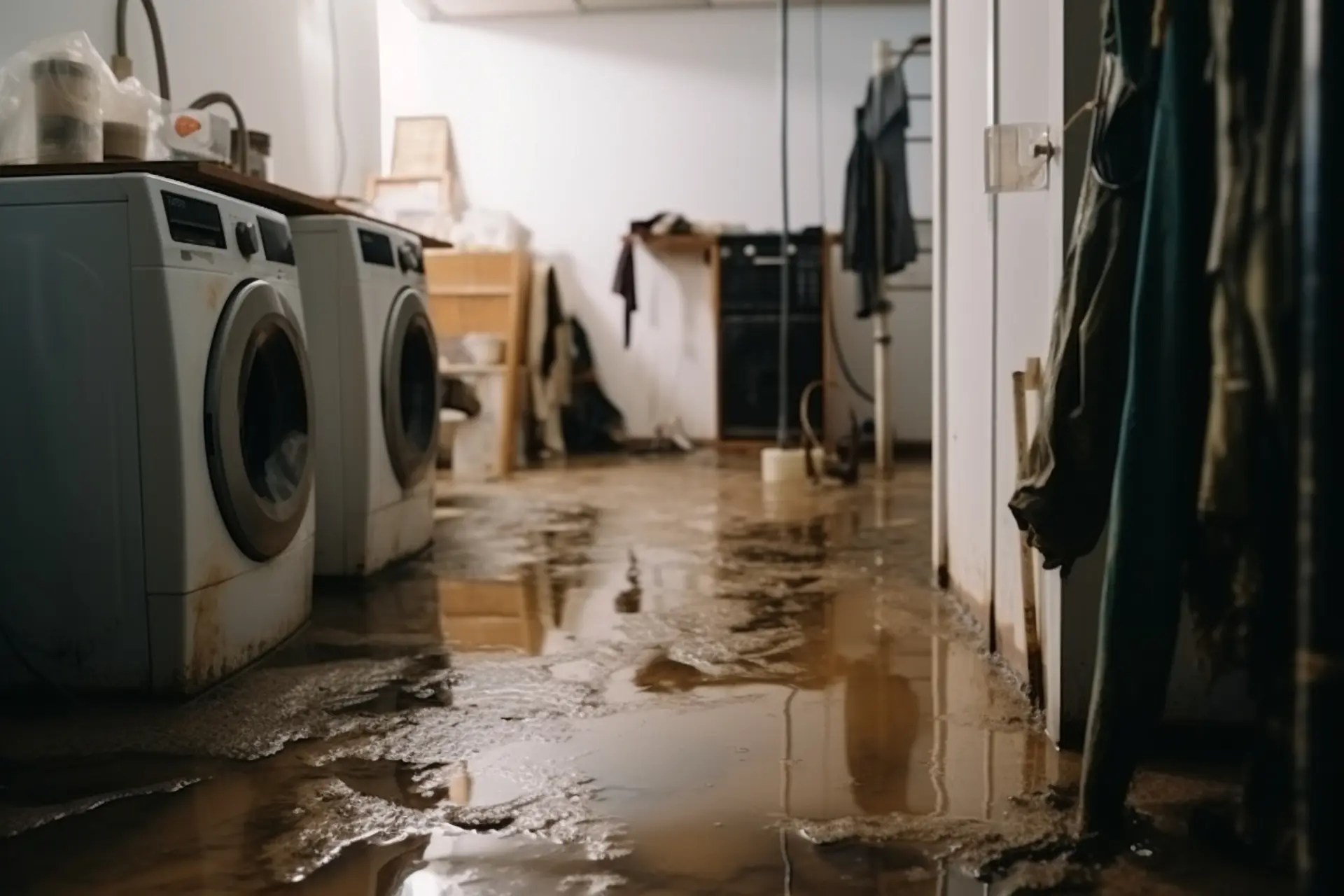
Flooding is one of the most common causes of mold problems in Titusville and surrounding Brevard County communities. Heavy rains, storm surge, plumbing failures, and roof leaks can introduce moisture into homes and buildings in ways that are not always immediately visible. Even after standing water is removed, damp materials and hidden moisture can create conditions where mold begins to develop within days.
Mold testing plays an important role after flooding because it helps property owners understand whether contamination is present, how widespread it may be, and what steps are needed to correct the problem. Knowing the causes, expected costs, and available solutions allows homeowners and property managers to make informed decisions during the recovery process.
What Happens After Flooding
When water enters a home, it rarely remains confined to one area. Moisture spreads into drywall, insulation, flooring, and structural framing. These materials can hold water long after surfaces appear dry.
Floodwater may also carry contaminants such as dirt, organic debris, and microorganisms that remain behind as surfaces dry. Combined with Florida’s warm temperatures, this creates an environment where mold can begin growing quickly.
In many homes across Titusville, problems develop in areas such as:
- Wall cavities and insulation
- Subflooring and flooring materials
- Air ducts and HVAC systems
- Attics affected by roof leaks
- Cabinets and storage areas
Because much of this moisture is hidden, testing is often necessary to confirm whether mold growth has begun.
Why Mold Problems Are Common After Flooding in Titusville
Several regional factors make mold growth more likely after flooding in coastal Florida.
High humidity slows drying
Moisture evaporates more slowly in humid climates, allowing materials to remain damp longer.
Warm temperatures accelerate growth
Heat speeds up microbial activity, allowing mold to spread more quickly than in cooler climates.
Frequent storms and seasonal rains
Repeated exposure to moisture increases the likelihood of hidden damp areas.
Air conditioning systems running continuously
HVAC systems may circulate air through damp materials or contaminated ducts if not inspected after flooding.
Nearby communities such as Mims, Cocoa, and Merritt Island experience similar conditions, especially during the rainy season.
Early Warning Signs That Mold Testing May Be Needed
Flood-related mold often develops before visible growth appears. Property owners in Titusville frequently notice early signs such as:
- Persistent musty odors
- Damp or humid indoor air
- Water stains on ceilings or walls
- Peeling paint or warped materials
- Dust or debris blowing from vents
- Allergy-like irritation indoors
These signs do not always confirm mold is present, but they indicate that moisture conditions may allow mold to develop.
Hidden or Overlooked Areas Where Mold Develops
Some of the most serious mold problems occur in places that are difficult to see.
Behind drywall
Water can seep into insulation and framing, remaining trapped long after surfaces dry.
Under flooring
Carpet padding and subfloor materials absorb moisture and may take weeks to dry completely.
Inside duct systems
Flood-related humidity and debris can affect air handlers and ductwork.
Attics and crawl spaces
Moisture often migrates upward, affecting insulation and wood framing.
Mold testing helps identify contamination in these areas before it spreads further.
What Mold Testing Involves
Professional mold testing is designed to determine whether mold is present and how severe the problem may be. A typical inspection includes:
- Visual inspection of affected areas
- Moisture measurements in walls, floors, and ceilings
- Humidity readings throughout the home
- Air or surface sampling when necessary
- Evaluation of HVAC systems and ventilation
Testing provides objective information that helps guide cleanup and remediation decisions.
Professionals familiar with homes in Titusville and surrounding Brevard County communities often recognize patterns of moisture intrusion that are common after flooding.
Costs of Mold Testing After Flooding
Costs for mold testing vary depending on the size of the property, the extent of flooding, and the number of samples required.
Factors that influence cost include:
- Size of the home or building
- Number of areas affected
- Complexity of HVAC systems
- Need for laboratory analysis
- Accessibility of inspection areas
In many cases, testing is a cost-effective step because it helps prevent unnecessary demolition or incomplete remediation. Identifying the exact location and extent of contamination allows restoration work to be more targeted and efficient.
Causes of Mold Growth After Flooding
Understanding the causes of mold helps prevent recurrence after cleanup.
Common causes include:
Incomplete drying
Moisture left in structural materials allows mold to develop later.
Poor ventilation
Limited airflow slows drying and increases humidity.
Contaminated materials
Floodwater may leave behind organic material that supports microbial growth.
HVAC contamination
Ducts and air handlers can circulate spores if not inspected and cleaned.
Companies such as Palm Bay Mold Removal often emphasize that addressing the moisture source is the most important step in preventing mold from returning.
Solutions After Mold Testing
Once testing confirms the presence of mold, remediation and restoration steps are typically recommended.
These may include:
- Removing contaminated materials when necessary
- Cleaning and treating structural surfaces
- Drying affected areas using professional equipment
- Improving ventilation and airflow
- Cleaning HVAC systems and ducts
The goal is to restore a dry, stable indoor environment where mold cannot grow again.
Flood Restoration and Water Damage Repair
Flood restoration is closely connected to mold prevention. Proper restoration involves more than removing water—it requires thorough drying and monitoring of moisture levels.
Typical restoration steps include:
- Water extraction
- Dehumidification and drying
- Moisture detection in structural materials
- Cleaning and sanitizing affected areas
These steps help prevent hidden moisture from causing long-term damage.
Air Ducts, HVAC Systems, and Mold Testing
Air ducts and HVAC systems are often affected by flooding, especially when humidity levels rise indoors. Mold testing sometimes includes evaluating air quality and inspecting ductwork to determine whether contamination has spread.
Possible HVAC-related issues include:
- Moisture inside ducts
- Dust and debris accumulation
- Reduced airflow
- Persistent odors when the system runs
Cleaning and maintenance may be recommended if contamination is detected.
How to Prevent Mold Problems After Flooding
Property owners in Titusville can reduce the risk of mold growth by taking preventive measures after any water intrusion.
Helpful steps include:
- Drying affected areas as quickly as possible
- Using dehumidifiers to control humidity
- Repairing leaks promptly
- Scheduling HVAC inspections
- Monitoring indoor humidity levels
- Inspecting attics and crawl spaces after storms
Early action significantly reduces the likelihood of mold spreading.
Why Local Experience Matters
Flooding and mold behave differently in coastal Florida than in many other regions. Professionals familiar with Titusville, Cocoa, Rockledge, and Palm Bay understand how humidity, storm patterns, and construction methods influence drying times and contamination risks.
Palm Bay Mold Removal and other regional specialists often tailor testing and remediation approaches to these conditions, helping homeowners achieve more reliable and lasting results.
A Practical Next Step for Property Owners
If your property has experienced flooding and you notice persistent odors, humidity, or signs of moisture, scheduling mold testing is a wise step. Testing provides clear information about the condition of your home and helps ensure that restoration efforts address the full extent of the problem.
Acting early not only protects structural materials but also helps maintain indoor air quality and prevents more extensive repairs in the future.