
Mold Testing Services in Cocoa Beach After Roof Leaks: A Local Homeowner Guide
Roof leaks in Cocoa Beach homes are a significant concern for homeowners. Even minor leaks can allow water to seep into attics, ceilings, walls, and insulation, creating ideal conditions for mold growth. Cocoa Beach’s humid coastal climate accelerates the proliferation of mold, which can compromise structural integrity, indoor air quality, and overall home safety.
Mold testing services are essential after roof leaks to identify the presence, type, and extent of mold contamination. This guide provides homeowners with practical insights into early warning signs, testing procedures, remediation strategies, costs, and preventive measures to protect their properties.
Why Roof Leaks Lead to Mold
Mold requires moisture to grow, and roof leaks provide a continuous source of water intrusion. The combination of water, warmth, and organic building materials such as wood, drywall, and insulation enables mold spores to colonize rapidly. Common sources of water accumulation include:
- Attics – Leaks through damaged shingles or flashing allow water to reach insulation and wooden beams.
- Ceilings – Water can drip into drywall, causing stains and eventual mold growth.
- Walls – Water infiltration around rooflines or vents can saturate interior walls.
- Crawl Spaces and Eaves – Moisture from roof leaks may accumulate in hidden structural areas.
If left unaddressed, mold growth can spread, damaging materials and affecting indoor air quality.
Common Causes of Roof Leaks in Cocoa Beach
- Storm Damage – Heavy rains, hurricanes, and high winds can damage roofing materials and flashing.
- Aging Roofing Materials – Shingles, tiles, and sealants deteriorate over time.
- Improper Installation – Incorrectly installed roofs or repairs increase vulnerability to leaks.
- Clogged Gutters – Poor drainage allows water to back up under shingles.
- Flashing or Vent Damage – Flashing around chimneys, vents, and skylights may fail, allowing water entry.
Understanding the cause of the leak is critical for effective remediation and preventing recurring problems.
Early Signs of Mold After Roof Leaks
Homeowners should watch for the following indicators:
- Water Stains or Discoloration – Yellow, brown, or dark patches on ceilings or walls.
- Sagging Ceilings or Walls – Structural compromise due to water accumulation.
- Musty Odors – Lingering, earthy smells often indicate hidden mold.
- Visible Mold – Black, green, or gray spots on ceilings, attic beams, or walls.
- Warped or Bubbling Materials – Drywall, wood, or insulation may swell or peel.
- Condensation – Moisture buildup around vents, windows, or rooflines.
Early detection helps prevent widespread contamination and reduces restoration costs.
Mold Testing Services Explained
Professional mold testing after a roof leak ensures the presence, type, and concentration of mold is accurately determined. Testing typically involves several steps:
Step 1: Visual Assessment
- Inspect ceilings, walls, attics, and crawl spaces for signs of water damage and mold growth.
- Focus on hidden areas such as behind drywall, under insulation, and around vents.
Step 2: Moisture Measurement
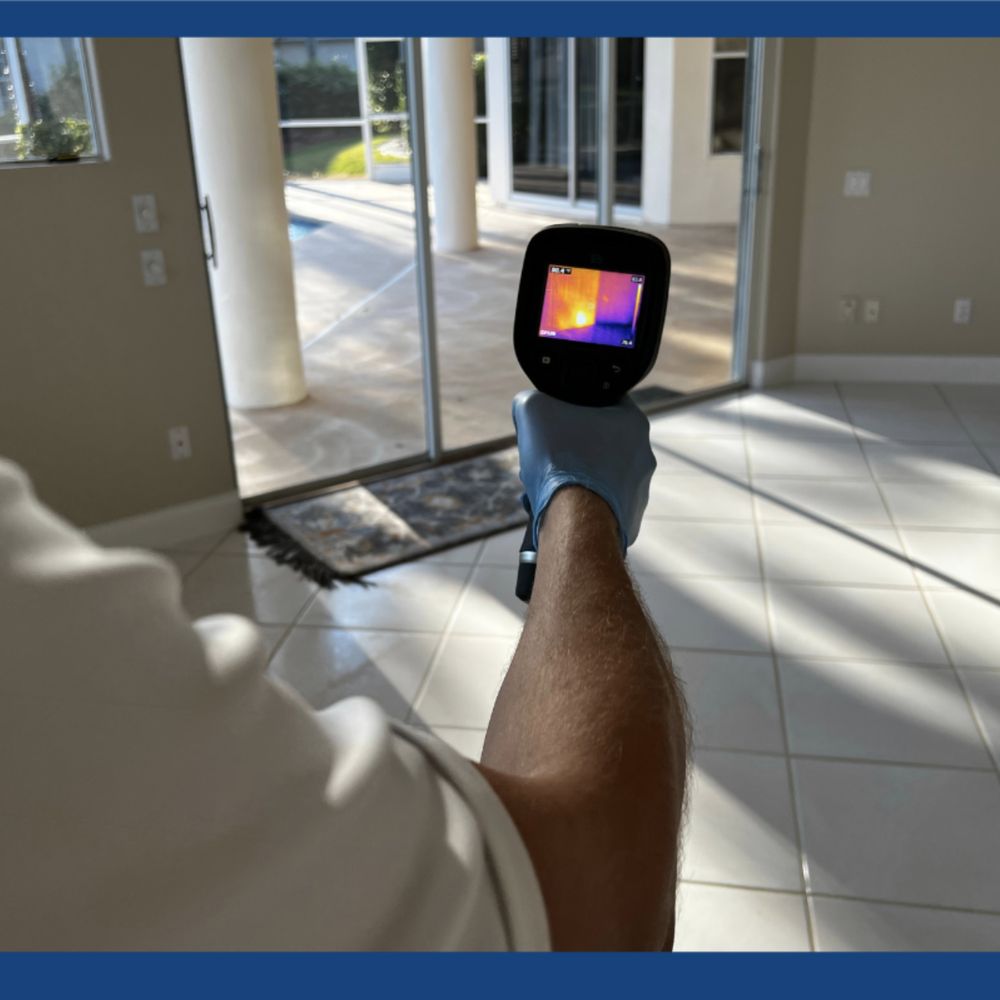
- Moisture meters, thermal imaging, and hygrometers identify damp areas.
- Hidden water can often go undetected without specialized equipment.
Step 3: Air Sampling
- Air tests measure the concentration of mold spores circulating in the home.
- Provides a baseline for indoor air quality and identifies potential health risks.
Step 4: Surface Sampling
- Swab or tape samples collect mold spores from affected surfaces.
- Laboratory analysis determines the species and severity of contamination.
Step 5: Reporting and Recommendations
- Homeowners receive a detailed report showing the affected areas, type of mold, and severity.
- Recommendations may include mold remediation, repairs to the roof, and preventive strategies.
Mold Remediation After Roof Leaks
Once testing confirms mold presence, professional remediation is necessary. The process typically includes:
Containment
- Seal affected areas to prevent spores from spreading to other parts of the home.
- Use negative air pressure and plastic barriers to isolate contaminated zones.
Removal of Contaminated Materials
- Porous materials such as drywall, insulation, and carpet may require removal.
- Non-porous surfaces are cleaned with antimicrobial agents.
Cleaning and Sanitization
- HEPA vacuums and professional-grade cleaning solutions remove spores from surfaces.
- HVAC systems may be cleaned to prevent secondary contamination.
Drying and Dehumidification
- Industrial fans and dehumidifiers remove remaining moisture from affected areas.
- Monitoring ensures complete dryness to prevent regrowth.
Post-Remediation Verification
- Re-testing may be conducted to confirm mold removal.
- Homeowners receive guidance on preventing future mold growth, including roof maintenance and moisture control.
Costs of Mold Testing and Remediation
Costs vary depending on the size of the affected area, type of mold, and extent of water damage:
- Mold Testing Only – $300–$700 for air and surface sampling.
- Localized Remediation – $500–$1,500 for small areas of mold contamination.
- Moderate to Extensive Remediation – $1,500–$5,000+ for multiple rooms or attic areas affected.
- Severe Damage – $5,000–$15,000+ for widespread contamination and structural repairs.
Prompt testing and remediation reduce long-term costs and prevent more serious damage.
Preventive Measures for Homeowners
- Roof Inspections – Regularly check shingles, flashing, and gutters for damage.
- Timely Repairs – Address leaks as soon as they are detected.
- Proper Attic Ventilation – Good airflow reduces condensation and moisture buildup.
- Maintain Gutters and Downspouts – Ensure water is directed away from the home.
- Humidity Control – Use dehumidifiers to keep indoor moisture levels below 50%.
- Routine Professional Inspections – Schedule inspections after storms or roof repairs.
Proactive measures minimize the risk of mold growth and protect indoor air quality.
Benefits of Professional Mold Testing
- Identifies Hidden Mold – Detects contamination that may not be visible.
- Protects Health – Reduces exposure to allergens and potential toxins.
- Guides Effective Remediation – Ensures proper cleanup methods are used.
- Preserves Structural Integrity – Prevents long-term damage to wood, drywall, and insulation.
- Reduces Future Risks – Helps homeowners implement strategies to prevent recurrence.
Why Local Expertise Matters
Cocoa Beach homeowners benefit from local professionals who understand:
- Coastal humidity, storm patterns, and hurricane risk
- Construction vulnerabilities in older and newer homes
- Advanced testing, remediation, and prevention techniques
- Localized strategies for attics, crawl spaces, and HVAC systems
Local expertise ensures mold testing and remediation is effective, thorough, and tailored to Cocoa Beach homes.
Conclusion
Roof leaks in Cocoa Beach homes can quickly lead to water intrusion and mold growth. Early detection through professional mold testing is critical to identify hidden contamination and determine the extent of the problem.
Testing involves visual inspections, moisture measurement, air and surface sampling, and reporting with recommendations. If mold is detected, professional remediation ensures containment, cleaning, drying, and structural restoration.
Preventive measures such as roof maintenance, ventilation, humidity control, and routine inspections reduce the risk of future mold growth. Engaging local experts ensures that Cocoa Beach homeowners can address mold efficiently, protect indoor air quality, and maintain the safety and value of their homes.