
Mold Testing in West Melbourne Older Homes: Early Signs You Should Not Ignore
Older homes in West Melbourne have character. Mature trees. Solid construction. Established neighborhoods. But many of these homes were built before modern moisture control standards were common.
Over time, Florida’s humidity, storms, and constant AC use take a toll.
Mold doesn’t usually appear overnight. It develops quietly — often inside walls, under flooring, or in attics long before it becomes visible. In older West Melbourne properties, early detection through professional mold testing can prevent larger remediation projects later.
Here’s what homeowners should be watching for.
Why Older Homes in West Melbourne Are More Vulnerable
Homes built 20, 30, or 40 years ago weren’t always designed with today’s moisture barriers and ventilation systems.
Common vulnerabilities include:
- Older roof systems
- Original plumbing lines
- Minimal attic ventilation
- Aging window seals
- Slab foundations without modern moisture barriers
- Older HVAC systems
In West Melbourne neighborhoods near Hollywood Boulevard and along Minton Road, we frequently inspect homes where moisture intrusion has occurred gradually over years.
Florida’s environment accelerates wear on building materials.
What Mold Testing Actually Involves
Mold testing is not simply looking at visible spots on a wall.
It involves assessing indoor air quality and identifying elevated spore levels that may not yet be visible.
Professional mold testing typically includes:
- Air sampling inside affected areas
- Outdoor control sampling for comparison
- Surface sampling when visible growth is present
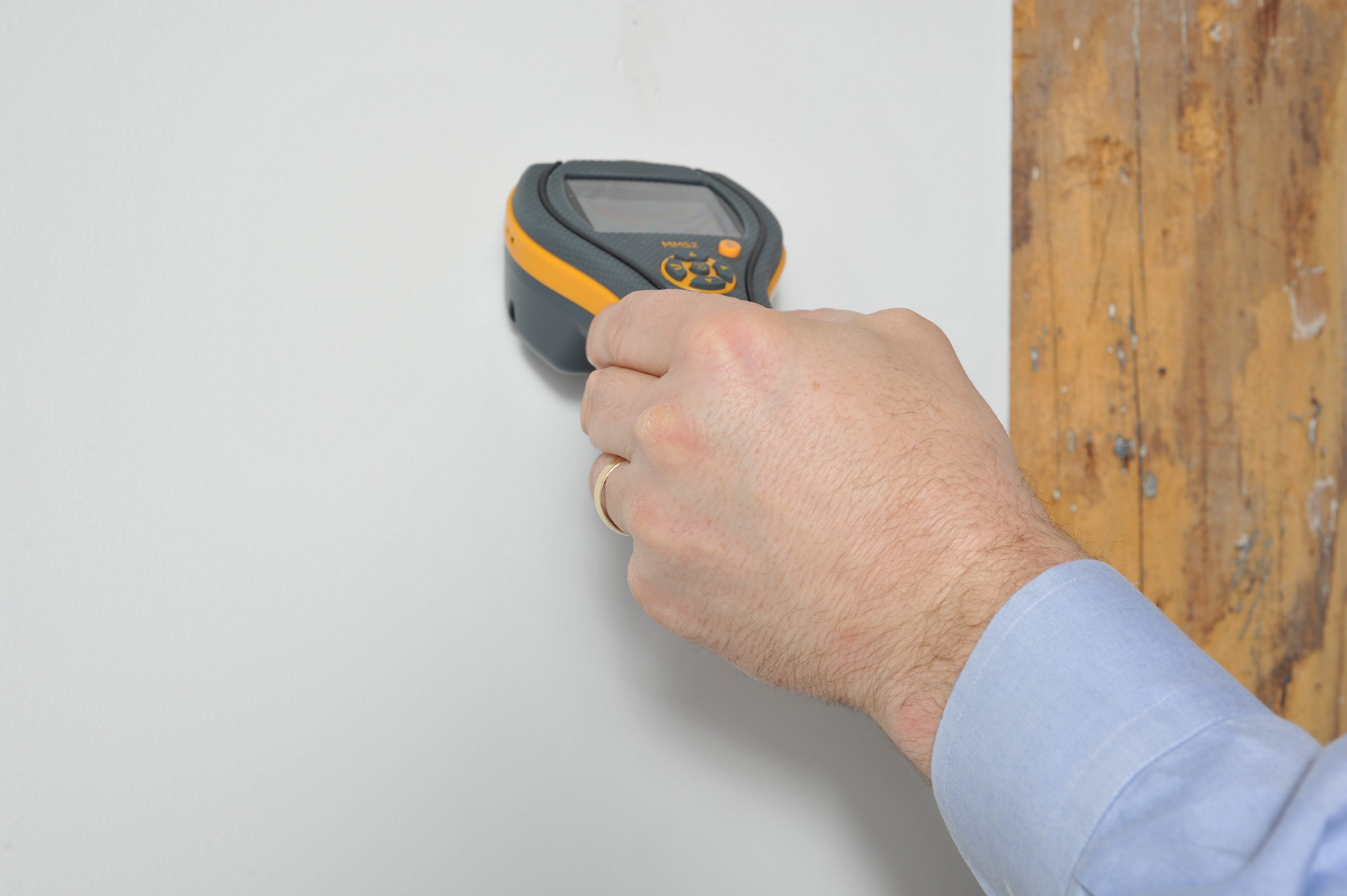
- Moisture detection to locate hidden sources
Testing helps determine whether mold growth is isolated or widespread.
In older homes, hidden mold is far more common than homeowners expect.
Early Signs You Should Not Ignore
Most mold issues begin with subtle indicators.
In West Melbourne older homes, watch for:
1. Persistent Musty Odors
A lingering damp smell, especially after rain, often signals hidden moisture and potential mold growth.
2. Ceiling Stains After Storms
Even small stains can indicate roof leaks or attic moisture buildup.
3. Peeling or Bubbling Paint
Moisture trapped behind drywall causes surface changes.
4. Warped Baseboards or Trim
Swelling wood often signals prolonged moisture exposure.
5. Increased Indoor Humidity
If your AC runs constantly but humidity remains high, moisture may be trapped within the structure.
Many homeowners in West Melbourne and nearby Palm Bay notice one of these signs months before visible mold appears.
Hidden Mold in Older Construction
Older homes often have concealed areas where mold develops unnoticed.
Common hidden zones include:
- Behind bathroom tile walls
- Under older carpet padding
- Inside attic insulation
- Around original plumbing penetrations
- Behind kitchen cabinets
In nearby Rockledge and Melbourne homes of similar age, we frequently detect elevated mold levels in attic spaces where ventilation was insufficient.
Because older materials absorb moisture more readily, mold can spread internally without visible surface growth.
The Role of Florida’s Climate
West Melbourne shares the same environmental conditions as the rest of Brevard County:
- High year-round humidity
- Heavy summer storms
- Hurricane season rainfall
- Continuous AC operation
When moisture enters an older home and ventilation is limited, drying happens slowly.
Even small roof leaks or plumbing drips can create long-term damp areas inside walls.
Mold thrives in these environments.
Why Visual Inspection Alone Isn’t Enough
Many homeowners wait until they see dark staining before taking action.
The issue is that mold can grow inside:
- Wall cavities
- Insulation
- Subflooring
- Air ducts
Airborne spores may increase even if no visible growth is present.
Mold testing identifies whether indoor air quality has been affected.
In West Melbourne older homes, testing often reveals hidden growth long before surfaces show visible damage.
When Mold Testing Is Especially Important
Certain situations warrant immediate testing:
- After roof leaks
- Following plumbing failures
- After flooding events
- When buying or selling an older home
- If musty odors persist without visible cause
In Merritt Island and Titusville, we often test homes prior to real estate transactions where moisture history is unclear.
Testing provides objective data.
What Happens After Mold Testing
If elevated mold levels are found, the next step is determining the source.
Moisture detection identifies whether the issue stems from:
- Roof leaks
- Plumbing lines
- AC condensation
- Poor ventilation
- Slab moisture
Testing alone does not fix the problem. It guides the remediation plan.
In older homes, correcting the moisture source is always the priority.
Mold Remediation in Older Homes
If remediation is necessary, the process typically includes:
- Containment of affected areas
- HEPA air filtration
- Removal of contaminated materials if required
- Surface cleaning and antimicrobial treatment
- Controlled structural drying
Older homes often require careful, selective removal to preserve original materials where possible.
Proper remediation restores stability without unnecessary demolition.
HVAC Systems and Mold in Aging Homes
Older HVAC systems can contribute to mold growth.
Common issues include:
- Dirty evaporator coils
- Clogged drain lines
- Wet duct insulation
- Inadequate airflow
In West Melbourne homes built decades ago, air duct cleaning and AC system evaluation are often part of mold investigations.
Moisture circulating through ductwork can impact indoor air quality throughout the house.
Preventing Mold in West Melbourne Older Homes
Prevention centers on moisture control and routine inspection.
Homeowners can reduce risk by:
- Inspecting roofs annually
- Cleaning gutters regularly
- Sealing aging window frames
- Upgrading attic ventilation
- Flushing AC drain lines twice per year
- Maintaining indoor humidity below 55%
After heavy storms, checking attic insulation for dampness is especially important in older homes.
Proactive maintenance prevents small issues from becoming larger remediation projects.
Why Local Experience Matters
Mold testing in West Melbourne older homes requires familiarity with:
- Brevard County storm patterns
- Coastal humidity behavior
- Older Florida construction methods
- Slab-on-grade moisture movement
A local specialist understands how moisture spreads in aging Florida homes.
Palm Bay Mold Removal regularly performs mold inspections and testing across West Melbourne, Palm Bay, Melbourne, Rockledge, Merritt Island, Viera, and Titusville.
Local knowledge allows faster identification of common risk areas in older neighborhoods.
A Calm, Practical Next Step
If you live in an older home in West Melbourne and notice subtle moisture signs, early mold testing provides clarity.
Waiting for visible mold often means the issue has already progressed.
Testing identifies hidden growth and guides the right response before structural damage spreads.
In Florida’s climate, moisture problems rarely resolve on their own. Addressing early warning signs keeps your home stable, dry, and protected for the long term.