
Mold Testing in Palm Bay During Rainy Season: Warning Signs and Prevention
Rainy season in Palm Bay isn’t subtle. Afternoon storms roll in fast, humidity stays high for months, and homes take on more moisture than most homeowners realize. Sometimes the effects are obvious — a roof leak or visible water intrusion. Other times, mold develops quietly behind walls, inside attics, or under flooring long before anyone notices.
Mold testing during Palm Bay’s rainy season isn’t about panic. It’s about clarity. When moisture levels rise, knowing whether mold is present — and how far it has spread — helps homeowners make informed decisions before damage escalates.
If you’ve noticed a musty smell, unexplained stains, or persistent indoor humidity, rainy season is exactly when testing makes the most sense.
Why Rainy Season Increases Mold Risk in Palm Bay
Palm Bay’s rainy season combines three mold-friendly conditions:
- High humidity
- Frequent storms
- Warm temperatures
Mold needs moisture and organic material to grow. Florida homes provide both. Drywall, wood framing, insulation, and dust particles all act as food sources when damp.
During extended rainy periods, moisture enters homes through:
- Roof vulnerabilities
- Window seals
- Door frames
- Slab foundation cracks
- AC condensate backups
Because humidity remains high even between storms, damp areas don’t dry quickly. That lingering moisture allows mold colonies to develop.
What Mold Testing Actually Involves
Mold testing is not just a quick visual inspection. It’s a structured evaluation designed to determine:
- Whether mold spores are elevated indoors
- Whether hidden growth may be present
- Whether moisture levels are supporting mold development
- The extent of contamination if mold exists
Professional mold testing often includes:
- Visual inspection of high-risk areas
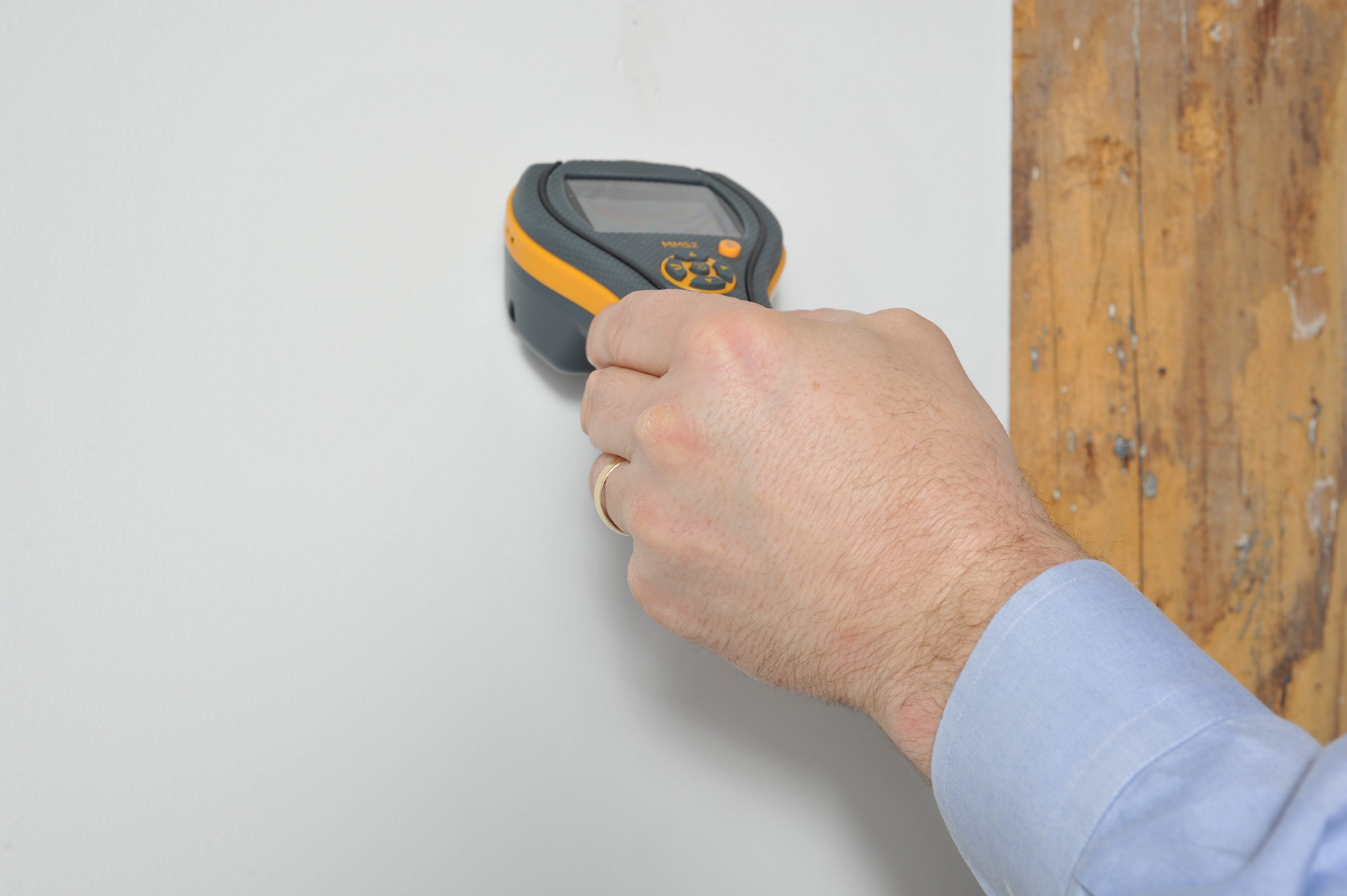
- Moisture meter readings
- Thermal imaging to detect hidden dampness
- Air sampling to measure spore levels
- Surface sampling if visible growth is present
In Palm Bay, where humidity fluctuates daily during rainy months, testing provides data instead of guesswork.
Warning Signs Homeowners Shouldn’t Ignore
Rainy season mold doesn’t always show up as black patches on walls. It often starts with subtle indicators.
Common warning signs include:
- Persistent musty odors
- Discoloration on ceilings or baseboards
- Bubbling paint
- Warped drywall
- Increased allergy-like symptoms indoors
- Condensation on windows
- AC running constantly but humidity staying high
Homes in nearby areas like Melbourne, West Melbourne, and Satellite Beach experience similar patterns during storm-heavy months.
If these signs appear during rainy season, mold testing is a logical next step.
Hidden Areas Where Mold Develops
In Palm Bay homes, mold often grows in places homeowners rarely inspect.
Attics
Roof leaks during heavy storms may dampen insulation and roof decking.
Behind Shower Walls
Older tile installations may allow moisture to penetrate wall cavities.
Under Flooring
Moisture trapped beneath laminate or carpet can lead to subfloor contamination.
AC Air Handlers
Clogged condensate lines are common during humid months, creating moisture buildup inside HVAC systems.
Crawl Spaces
In homes with crawl spaces, humid air and poor ventilation can create ideal mold conditions.
Testing helps identify contamination in these concealed areas before structural damage occurs.
The Role of Moisture Detection in Mold Testing
Mold growth always follows moisture. That’s why moisture detection is a key part of testing.
Technicians use calibrated moisture meters and infrared cameras to locate elevated moisture levels in:
- Walls
- Ceilings
- Flooring
- Around windows
- Near plumbing lines
In rainy season, moisture may be intermittent. A storm can introduce water that slowly evaporates over days — but even short-term dampness can trigger mold growth.
Palm Bay Mold Removal often combines mold testing with moisture detection to ensure both the symptom and the source are addressed.
Why Rainy Season Testing Is Different
Testing during dry months may not reveal issues that become apparent during rainy season.
Storm-driven rain, elevated groundwater levels, and saturated soil conditions increase the likelihood of:
- Slab moisture migration
- Roof leaks
- Foundation seepage
- Window infiltration
Testing during this period provides a realistic picture of how your home performs under peak moisture stress.
When Mold Testing Is Especially Important
You should strongly consider mold testing during rainy season if:
- Your home recently experienced a roof leak
- Flooding occurred nearby
- You smell ongoing mustiness
- Indoor humidity remains high despite AC use
- You’re buying or selling a Palm Bay home
- You own rental property in Brevard County
Early testing reduces uncertainty and prevents larger remediation projects later.
Prevention Strategies for Palm Bay Homeowners
While storms can’t be avoided, moisture management can be improved.
Maintain Roofing Systems
Annual inspections before peak rainy season help identify loose shingles and damaged flashing.
Clean Gutters and Downspouts
Proper drainage prevents water from pooling near foundations.
Seal Windows and Doors
Wind-driven rain often enters through small gaps.
Service AC Systems
Clear condensate lines and check for proper drainage.
Monitor Indoor Humidity
Keep levels ideally between 40–60%.
Homes in Palm Bay, Merritt Island, and Rockledge benefit from proactive inspections before heavy rain cycles begin.
What Happens If Mold Is Found
If mold testing confirms elevated spore levels or visible growth, the next step is professional remediation.
Remediation typically involves:
- Isolating affected areas
- Removing contaminated materials if necessary
- Cleaning surfaces properly
- Addressing moisture sources
- Verifying moisture levels after cleanup
Proper remediation focuses on eliminating the moisture source to prevent recurrence.
Why DIY Testing Isn’t Always Reliable
Over-the-counter mold test kits often provide incomplete information. They may detect the presence of spores — but spores exist naturally in all environments.
Professional testing compares indoor levels to outdoor baseline samples, providing context.
Without moisture assessment and proper sampling methods, DIY kits can cause confusion rather than clarity.
The Importance of Local Experience
Mold behavior in Palm Bay differs from dry climates. High humidity slows drying. Storm patterns are predictable but intense. AC systems operate nearly year-round.
A local professional understands:
- Typical Palm Bay construction styles
- Common roof vulnerabilities
- Slab moisture patterns
- Seasonal humidity shifts
Palm Bay Mold Removal has extensive experience working throughout Palm Bay and surrounding Brevard County communities, identifying rainy season mold patterns specific to this region.
Local expertise ensures testing focuses on realistic risk areas rather than generic checklists.
Final Thoughts
Rainy season in Palm Bay brings more than afternoon storms. It brings elevated indoor moisture levels that can quietly lead to mold growth.
Mold testing provides clarity. It identifies whether spores are elevated, where moisture is present, and whether action is necessary.
The goal isn’t alarm — it’s prevention.
By combining timely testing, moisture detection, and proactive maintenance, homeowners can protect their properties from long-term structural damage during Florida’s wettest months.
Rain may be seasonal. Moisture problems don’t have to be.