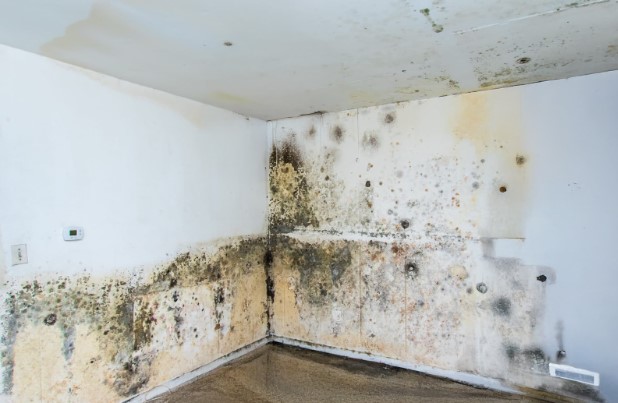
Mold Removal Services in West Melbourne in Coastal Homes: Costs, Causes, and Solutions
Coastal living in West Melbourne has a lot going for it—warm weather, ocean air, and beautiful neighborhoods close to the water. But homeowners here also deal with one persistent issue that comes with Florida’s climate: mold.
In coastal homes, mold problems can appear quickly and spread silently, especially after storms, heavy rain, or long periods of humidity. Understanding what causes mold, what it costs to fix, and how professionals handle the problem can help property owners protect their homes and avoid bigger repairs later.
What Mold Problems in Coastal Homes Really Are
Mold is a natural organism that thrives in damp, warm environments. In homes near the coast, moisture can come from many directions—humid air, roof leaks, plumbing issues, condensation from air conditioning systems, or even damp crawl spaces.
Once moisture is present, mold spores can begin growing on drywall, wood framing, insulation, carpeting, or inside air ducts. What starts as a small hidden patch can gradually spread behind walls or under flooring if conditions stay damp.
Why This Happens So Often in West Melbourne
West Melbourne’s environment makes mold growth more common than many homeowners expect. Coastal humidity remains high for much of the year, and summer storms bring sudden downpours that can lead to water intrusion.
Several local factors contribute to frequent mold issues:
- Salt air increases moisture retention in building materials
- Afternoon storms and hurricanes can create hidden leaks
- Air conditioning systems run constantly, producing condensation
- Older homes may have ventilation gaps or aging roofing
- Crawl spaces and attics often trap warm, humid air
Even newer homes in Brevard County can develop mold if moisture isn’t properly controlled.
Common Signs Homeowners Notice
Many homeowners first notice mold indirectly rather than seeing it immediately.
Typical warning signs include:
- A persistent musty smell
- Discoloration on ceilings or walls
- Peeling paint or bubbling drywall
- Warped baseboards or flooring
- Increased indoor humidity or condensation
In coastal homes, mold may also appear around windows, near AC vents, or inside closets that receive little airflow.
Hidden or Overlooked Sources
Some of the most serious mold problems begin in areas homeowners rarely inspect.
Common hidden sources include:
- Air ducts and HVAC drain lines
- Attics with poor ventilation
- Behind kitchen or bathroom cabinets
- Under carpeting after minor leaks
- Inside wall cavities near plumbing
Homes in nearby communities like Satellite Beach, Cocoa Beach, and Merritt Island often experience similar issues due to moisture migrating through building materials over time.
Why DIY Mold Removal Usually Fails
It’s common for homeowners to try cleaning visible mold with household cleaners. While this may remove surface staining, it rarely addresses the underlying moisture problem.
DIY removal often fails because:
- Mold roots remain embedded in porous materials
- Moisture sources go undetected
- Hidden mold continues growing behind walls
- Contaminated air spreads spores during cleaning
Without proper containment and drying, mold often returns—sometimes worse than before.
Professional Mold Inspection and Testing Explained
A professional mold inspection focuses on identifying both visible mold and the moisture conditions allowing it to grow.
In West Melbourne coastal homes, inspections typically include:
- Moisture meter readings in walls and flooring
- Infrared scanning to detect hidden damp areas
- Airflow and ventilation evaluation
- Inspection of attics, crawl spaces, and ducts
Testing may be used to confirm mold presence and determine the extent of contamination. The goal is not just to locate mold but to understand why it developed.
Proper Mold Removal and Remediation Process
Professional mold remediation follows a structured process designed to eliminate mold safely and prevent it from returning.
Typical steps include:
- Isolating affected areas to prevent cross-contamination
- Removing damaged materials when necessary
- Cleaning and treating structural surfaces
- Drying the area with professional equipment
- Addressing the moisture source
Experienced local companies such as Palm Bay Mold Removal often emphasize moisture control as the most important step in long-term prevention.
Flood Restoration and Water Damage Repair
Coastal storms can lead to sudden water intrusion, which greatly increases the risk of mold growth within 24–48 hours.
Flood restoration may involve:
- Water extraction
- Structural drying
- Carpet and flooring treatment
- Dehumidification
- Monitoring moisture levels
Homes in Viera, Rockledge, and Titusville frequently experience similar post-storm restoration needs, especially during hurricane season.
Air Ducts, AC Systems, and Mold
Air conditioning systems play a major role in indoor moisture levels. In Florida’s climate, AC units often run for long hours, producing condensation that can lead to mold inside ductwork or near air handlers.
Warning signs of duct-related mold include:
- Musty odors when AC starts
- Dust buildup around vents
- Uneven cooling or humidity
Cleaning ducts and correcting drainage or insulation issues can significantly improve indoor air quality.
Costs of Mold Removal in Coastal Homes
Costs vary depending on the extent of contamination, materials affected, and how long the moisture problem has been present.
Factors influencing cost include:
- Size of the affected area
- Structural damage or material removal
- Accessibility of crawl spaces or attics
- Level of drying required
- HVAC system cleaning or repairs
Addressing problems early usually keeps costs lower. Delayed action often leads to larger remediation areas and more repairs.
How to Prevent Mold in West Melbourne Homes
Prevention focuses on controlling moisture and improving ventilation.
Homeowners can reduce risk by:
- Fixing roof or plumbing leaks quickly
- Keeping indoor humidity below 60%
- Cleaning AC drain lines regularly
- Ensuring attic ventilation is working properly
- Inspecting crawl spaces periodically
Simple maintenance steps often prevent expensive repairs later.
Why Local Experience Matters
Mold problems in Florida behave differently than in drier climates. Coastal humidity, salt air, and seasonal storms create conditions that require local knowledge and experience.
Professionals familiar with Brevard County homes understand:
- Construction styles common in the region
- Typical moisture entry points
- Seasonal humidity patterns
- AC system challenges in coastal environments
Companies like Palm Bay Mold Removal bring experience from working in West Melbourne, Melbourne, Cocoa Beach, Merritt Island, and surrounding communities, allowing them to diagnose issues more accurately.
A Calm, Practical Next Step
If you notice persistent odors, moisture issues, or signs of mold in your home, the best approach is to investigate early. Small moisture problems are much easier to correct than widespread contamination.
A professional inspection provides clarity, helps identify the true cause, and gives homeowners a practical plan to restore their home safely and prevent future problems.
Taking action early protects not only the structure of the home but also the comfort and long-term value of the property.