
Mold Removal Services in Satellite Beach in Residential Homes: Complete Guide for Homeowners
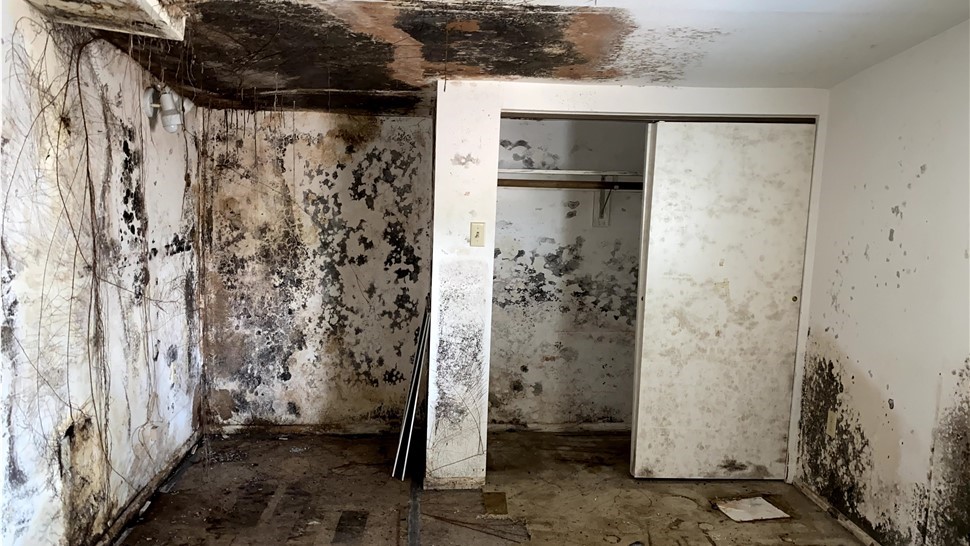
Homes in Satellite Beach are uniquely exposed to moisture challenges due to coastal humidity, tropical storms, and frequent rainfall. While ocean breezes and warm weather are appealing, they also create an environment where mold can thrive if moisture control is neglected. Mold growth inside residential properties is more than just a cosmetic issue—it can affect structural materials, reduce indoor air quality, and potentially impact occupant health.
This complete homeowner guide explains everything you need to know about mold removal services in Satellite Beach, including causes, warning signs, inspection procedures, remediation steps, costs, prevention strategies, and why hiring qualified professionals is essential.
Why Mold Is Common in Coastal Homes
Satellite Beach’s coastal climate contributes to year-round humidity levels that often exceed 60%. Mold spores are naturally present in indoor and outdoor air, but they only grow when moisture is available. Common moisture sources include:
- Roof leaks from storms
- AC condensation buildup
- Plumbing leaks behind walls
- Flooding during heavy rains
- Poor attic ventilation
- Crawl space moisture intrusion
- Condensation on windows and ducts
Even small water intrusions can support mold growth within 24 to 48 hours.
Types of Mold Found in Residential Homes
While many mold species exist, homeowners commonly encounter:
- Cladosporium – Often found on fabrics, carpets, and wood
- Aspergillus – Common in HVAC systems and insulation
- Penicillium – Spreads quickly on water-damaged materials
- Stachybotrys (Black Mold) – Thrives in areas with prolonged moisture
Each type requires professional evaluation to determine severity and appropriate removal methods.
Warning Signs You Should Not Ignore
Mold is not always visible. Satellite Beach homeowners should watch for:
- Musty or earthy odors
- Discoloration on walls or ceilings
- Peeling paint or bubbling drywall
- Warped baseboards
- Increased allergy symptoms indoors
- Visible condensation around vents
- Persistent dampness after storms
Ignoring these signs can lead to more extensive contamination and higher remediation costs.
The Mold Inspection Process
Before removal begins, a proper inspection determines the scope of the problem.
1. Visual Assessment
Inspectors examine:
- Walls and ceilings
- Attics and crawl spaces
- HVAC systems
- Bathrooms and kitchens
- Around windows and doors
They look for water stains, visible mold, and signs of long-term moisture.
2. Moisture Detection
Specialized tools detect hidden moisture behind surfaces. Thermal imaging cameras and moisture meters identify damp areas that are not visible to the naked eye.
3. Air and Surface Sampling
Air samples measure spore concentration levels inside the home compared to outdoor air. Surface samples identify mold species present.
4. Detailed Report
Homeowners receive documentation outlining:
- Affected areas
- Severity levels
- Moisture sources
- Recommended remediation steps
This step ensures removal efforts are targeted and effective.
The Mold Removal Process
Professional mold remediation in Satellite Beach homes follows industry-standard procedures.
Containment
Plastic barriers and negative air pressure systems prevent spores from spreading to unaffected areas.
Air Filtration
HEPA air scrubbers filter airborne spores during cleanup.
Removal of Contaminated Materials
Porous materials such as:
- Drywall
- Carpet padding
- Insulation
- Ceiling tiles
may require removal if heavily contaminated.
Cleaning and Disinfection
Non-porous materials are scrubbed using antimicrobial solutions. HEPA vacuums remove fine particles from surfaces.
Structural Drying
Industrial dehumidifiers eliminate residual moisture to prevent regrowth.
Post-Remediation Testing
Final air testing confirms spore levels have returned to safe ranges.
Costs of Mold Removal Services
Costs vary based on severity and square footage:
- Small Area (Under 10 sq ft): $500–$1,500
- Moderate Area (One Room): $1,500–$5,000
- Extensive Contamination: $5,000–$15,000+
- Whole-Home Remediation: $15,000–$30,000+
Additional expenses may include drywall replacement, flooring repairs, or HVAC cleaning.
Insurance Coverage
Insurance may cover mold removal if caused by a sudden event like storm damage or pipe bursts. However, mold resulting from long-term neglect or high humidity may not be covered.
Documentation is crucial:
- Photograph damage
- Save inspection reports
- Keep all invoices
- Contact insurance promptly
Health Concerns Related to Mold
While effects vary, prolonged exposure can cause:
- Sinus congestion
- Coughing
- Eye irritation
- Skin rashes
- Asthma flare-ups
Sensitive individuals, children, and elderly residents may experience stronger reactions.
Long-Term Prevention Strategies
Preventing mold is more cost-effective than removing it. Consider these proactive steps:
1. Maintain Proper Humidity Levels
Keep indoor humidity between 40%–50%. Dehumidifiers are especially useful in coastal homes.
2. Schedule Regular HVAC Maintenance
Ensure AC drain lines are clear and coils are clean to prevent condensation buildup.
3. Improve Attic Ventilation
Proper airflow reduces heat and moisture accumulation.
4. Seal Windows and Doors
Prevent rainwater intrusion during storms.
5. Clean Gutters Regularly
Clogged gutters cause water overflow near foundations.
6. Inspect Plumbing
Check under sinks, behind appliances, and around water heaters for leaks.
7. Address Water Damage Immediately
Dry affected areas within 24 hours to prevent mold formation.
Why DIY Mold Removal Is Risky
Small surface mold patches may appear manageable, but DIY attempts often:
- Fail to address underlying moisture
- Spread spores to other areas
- Miss hidden contamination
- Create health exposure risks
Professional remediation ensures complete removal and safe handling.
Why Local Expertise Matters
Satellite Beach homes often feature:
- Slab foundations
- Coastal exposure
- Older construction materials
- High year-round AC usage
Local professionals understand regional humidity patterns, building structures, and common water intrusion points, allowing them to identify and resolve problems efficiently.
How Mold Removal Protects Property Value
Unresolved mold can:
- Damage framing and drywall
- Cause persistent odors
- Lower resale value
- Complicate real estate transactions
Professional documentation of mold removal can reassure future buyers.
Timeline of Mold Remediation
- Day 1: Inspection and containment
- Days 2–4: Removal and cleaning
- Days 3–5: Drying and dehumidification
- Final Day: Clearance testing
Severe cases may take longer depending on structural repairs required.
When to Call Mold Removal Services
You should contact professionals if:
- Mold covers more than 10 square feet
- You detect persistent musty odors
- There has been recent flooding
- AC condensation issues recur
- Allergy symptoms worsen indoors
- You see mold returning after cleaning
Early intervention prevents widespread contamination.
Final Thoughts
Mold removal services in Satellite Beach residential homes are essential due to the region’s high humidity and frequent storm activity. Mold can develop quickly when moisture problems go unaddressed, leading to structural damage, indoor air quality issues, and costly repairs.
Professional mold inspection and remediation provide a structured, safe, and thorough approach to eliminating contamination. Although costs vary depending on severity, timely action significantly reduces long-term expenses and protects your home’s value.
By investing in preventive maintenance—such as humidity control, regular HVAC servicing, prompt leak repairs, and periodic inspections—Satellite Beach homeowners can minimize mold risks and maintain a safe, healthy indoor environment year-round.
Taking proactive steps today ensures your home remains comfortable, structurally sound, and protected against the moisture challenges of coastal Florida living.