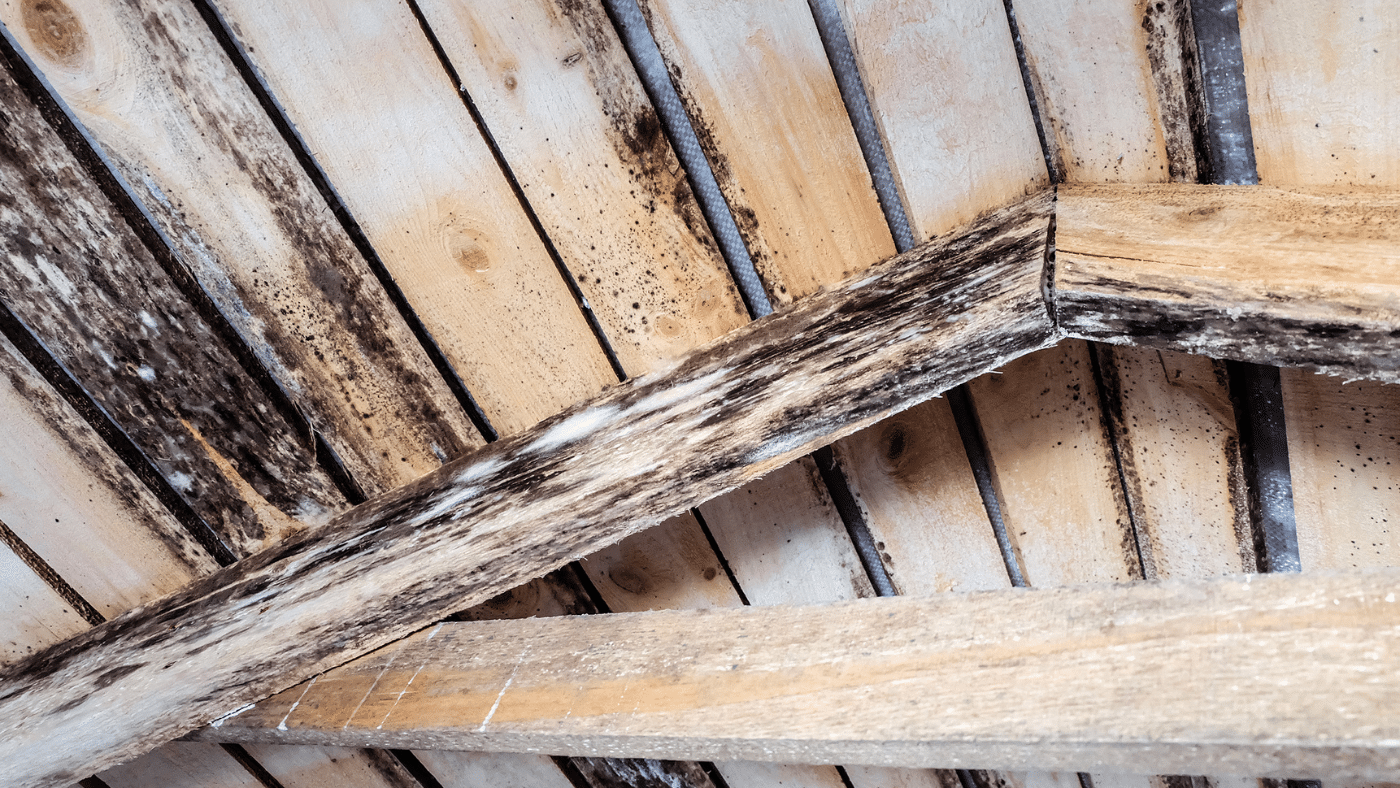
Mold Removal Services in Palm Bay from Poor Ventilation: A Local Homeowner Guide
Poor ventilation is one of the most overlooked causes of mold problems in Palm Bay homes. While many homeowners associate mold with roof leaks or flooding, mold often develops simply because moisture becomes trapped indoors. In Florida’s humid climate, areas with limited airflow—such as bathrooms, attics, closets, and laundry rooms—can gradually accumulate moisture that creates ideal conditions for mold growth.
Understanding how poor ventilation leads to mold, how mold removal works, and how to prevent the problem from returning can help homeowners protect their property and maintain a healthy indoor environment.
Why Poor Ventilation Causes Mold in Palm Bay Homes
Palm Bay’s climate naturally contains high humidity levels for much of the year. When indoor air does not circulate properly, moisture becomes trapped and settles on surfaces such as drywall, wood, and insulation.
Several factors contribute to poor ventilation:
- Closed or undersized attic vents
- Bathrooms without exhaust fans
- Laundry areas with restricted airflow
- Blocked or dirty air ducts
- Closets located on exterior walls
- Air conditioning systems that do not adequately remove humidity
Over time, even small amounts of trapped moisture can lead to mold growth in hidden areas.
Homes in nearby communities like Melbourne, West Melbourne, and Merritt Island often experience similar ventilation challenges due to coastal humidity and long cooling seasons.
Early Signs of Mold Caused by Poor Ventilation
Mold caused by ventilation issues often develops slowly. Many homeowners first notice subtle warning signs rather than visible mold patches.
Common early indicators include:
- Musty odors in closets or bathrooms
- Condensation on windows or vents
- Peeling paint or discoloration on walls
- Damp or humid air in certain rooms
- Dark spots forming in corners or along ceilings
These symptoms suggest moisture is not being removed effectively, allowing mold to develop over time.
Addressing these signs early can prevent more extensive remediation later.
Areas Where Mold from Poor Ventilation Often Appears
Ventilation-related mold typically develops in areas where airflow is limited and humidity remains high.
Common problem areas include:
- Bathroom ceilings and walls
- Laundry rooms
- Attics with limited ventilation
- Air ducts and return cavities
- Closets and storage rooms
- Behind furniture placed against exterior walls
Because these areas are often out of sight, mold may spread before it becomes noticeable.
A professional inspection helps identify these hidden moisture zones.
Why DIY Mold Cleaning Often Doesn’t Solve the Problem
It’s common for homeowners to clean visible mold using household cleaners or bleach. While this may remove surface stains temporarily, it usually does not address:
- Hidden moisture inside walls
- Mold growing beneath paint or drywall
- Ventilation problems that allow humidity to remain high
If ventilation problems are not corrected, mold often returns in the same locations.
Proper mold removal focuses on eliminating both contamination and the conditions that caused it.
How Mold Inspection Identifies Ventilation Problems
Before mold removal begins, a professional inspection is typically performed to determine the extent of the issue and locate moisture sources.
An inspection may include:
- Measuring indoor humidity levels
- Checking airflow and ventilation
- Inspecting attic and duct systems
- Using moisture meters to detect hidden dampness
- Evaluating exhaust fans and air circulation
This process helps determine whether mold is primarily caused by ventilation issues, water intrusion, or a combination of both.
Accurate diagnosis ensures remediation is effective and long-lasting.
The Mold Removal Process Explained
Once the source of moisture and mold growth is identified, remediation can begin. The process generally follows several steps:
Containment of Affected Areas
This prevents mold spores from spreading to other parts of the home.
Removal of Damaged Materials
Drywall, insulation, or carpeting that cannot be cleaned may need to be removed.
Cleaning and Treatment of Surfaces
Structural components such as framing and concrete are cleaned using appropriate methods.
Drying and Dehumidification
Commercial drying equipment removes remaining moisture from materials and air.
Verification and Restoration
Moisture levels are checked before repairs or repainting begin.
This structured approach helps ensure mold does not return.
Correcting Ventilation Problems After Remediation
Removing mold without improving ventilation can lead to recurring issues. Repairs or improvements may include:
- Installing or repairing bathroom exhaust fans
- Improving attic ventilation
- Cleaning and sealing air ducts
- Ensuring proper airflow between rooms
- Adjusting HVAC systems to improve humidity control
Improving ventilation is one of the most effective ways to prevent mold from returning in Florida homes.
The Role of HVAC Systems in Ventilation and Mold Prevention
Air conditioning systems play a major role in controlling humidity indoors. When HVAC systems are not functioning properly, moisture levels can rise and contribute to mold growth.
Common HVAC-related issues include:
- Dirty evaporator coils
- Clogged condensate drain lines
- Poor airflow due to blocked returns
- Leaky ducts pulling humid air from attics
Air duct cleaning or HVAC maintenance may be recommended as part of a comprehensive mold prevention plan.
Maintaining the HVAC system helps stabilize indoor humidity and improve air quality.
Preventing Mold Caused by Poor Ventilation
Homeowners in Palm Bay can reduce the risk of mold by taking several practical steps:
- Use exhaust fans during showers and cooking
- Keep indoor humidity at comfortable levels
- Replace HVAC filters regularly
- Keep attic vents clear and functional
- Avoid blocking air vents with furniture
- Inspect closets and storage areas periodically
Routine maintenance and airflow improvements can significantly reduce moisture buildup.
Why Local Experience Matters
Mold remediation in Palm Bay requires understanding how coastal humidity and Florida weather affect homes. High humidity, warm temperatures, and long cooling seasons create conditions where mold can develop even without major water leaks.
Homes in Palm Bay, Melbourne, West Melbourne, and Merritt Island often share similar construction styles and ventilation patterns, but each property has unique airflow and moisture conditions.
Professionals familiar with Brevard County—such as Palm Bay Mold Removal—understand where ventilation-related mold typically develops and how to correct both the contamination and the underlying causes effectively.
Local knowledge often leads to faster inspections and more reliable long-term results.
A Practical Next Step for Homeowners
If you notice musty odors, condensation, or recurring mold in bathrooms, closets, or attic areas, scheduling a professional inspection is a practical first step. Early mold removal combined with ventilation improvements can prevent structural damage and reduce long-term repair costs.
Poor ventilation problems often develop gradually, but with proper inspection, cleaning, and airflow improvements, homes can be restored to safe and comfortable conditions.
Taking action early is one of the most effective ways to keep small mold issues from becoming major remediation projects.