
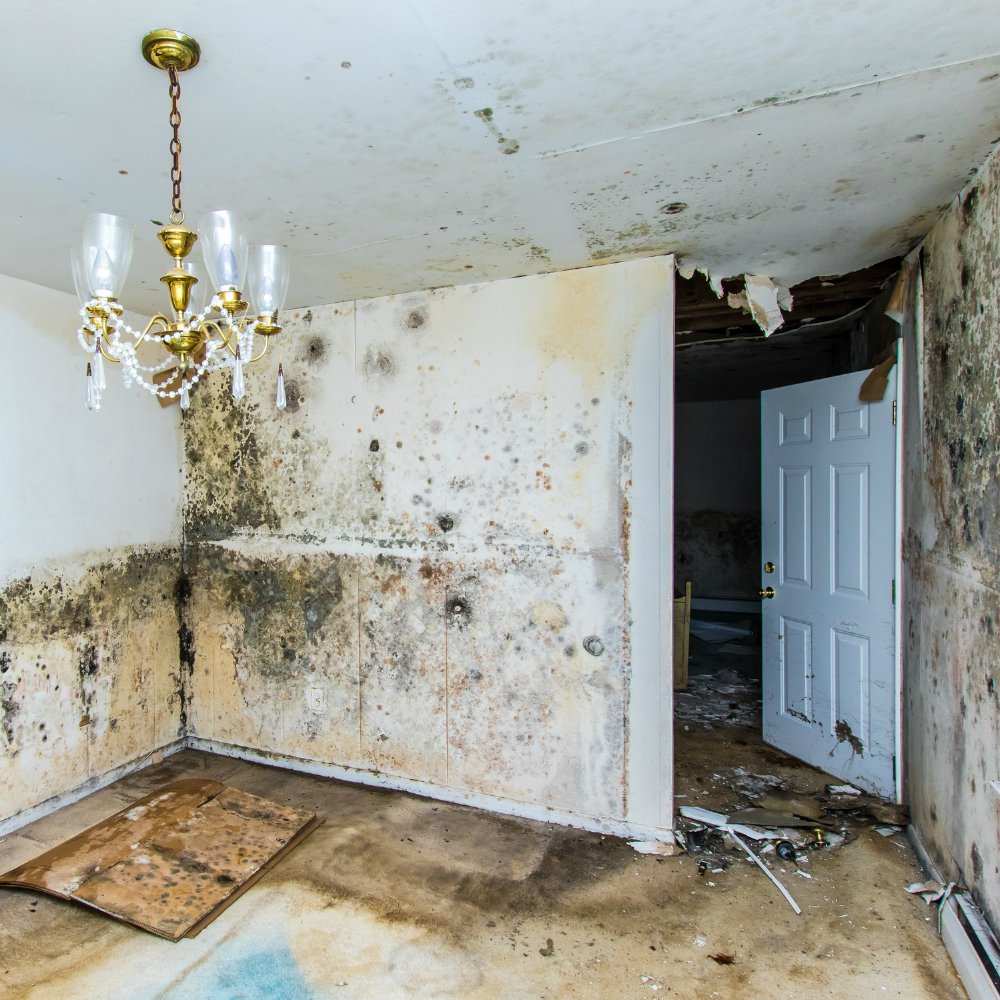
Mold Removal in Titusville in Older Homes: Professional Tips for Property Owners
Older homes in Titusville have charm you just can’t replicate. Mature trees, established neighborhoods, and solid construction from decades past. But when it comes to mold, older homes also come with hidden vulnerabilities.
Between Florida’s humidity, seasonal storms, aging plumbing, and outdated ventilation systems, mold can develop quietly — and spread quickly — inside walls, attics, and crawl spaces.
If you own an older property in Titusville, whether it’s your primary residence or a rental, understanding how professional mold removal works (and how to prevent recurrence) can protect your investment long term.
Why Older Homes in Titusville Are More Susceptible to Mold
Titusville’s climate already creates high mold pressure. Add aging building materials, and the risk increases.
Common contributing factors include:
- Original roofing systems with aging flashing
- Older windows with worn seals
- Galvanized or aging copper plumbing
- Slab foundations with hidden moisture migration
- Insufficient attic ventilation
- Outdated insulation materials
When humid air and small water intrusions combine, older materials absorb moisture more easily — and hold it longer.
How Mold Typically Develops in Older Properties
In Titusville homes built decades ago, mold rarely starts in obvious places. It often develops from slow, unnoticed moisture issues.
Common starting points include:
- Minor roof leaks during storms
- Small plumbing drips behind walls
- AC condensate line overflows
- Poorly ventilated bathrooms
- Damp attic insulation
Because older homes may lack modern vapor barriers or moisture-resistant drywall, once water enters, it spreads quietly.
Early Warning Signs Property Owners Should Watch For
Mold doesn’t always appear as large black patches. Often, the first signs are subtle.
Look for:
- Persistent musty odors
- Discoloration along ceiling edges
- Bubbling paint
- Warped baseboards
- Soft drywall
- Increased indoor humidity
In Titusville neighborhoods near the Indian River, humidity remains elevated year-round, making these warning signs especially important.
Step 1: Professional Mold Inspection
Before removal begins, inspection is critical.
A proper inspection includes:
- Visual evaluation of affected areas
- Moisture meter readings
- Thermal imaging to detect hidden dampness
- Attic and crawl space checks
- HVAC inspection if necessary
Older homes often have concealed cavities where moisture lingers long after visible surfaces appear dry.
Palm Bay Mold Removal regularly performs mold inspections in Titusville and surrounding Brevard County communities to determine the full scope before remediation begins.
Step 2: Identify and Correct the Moisture Source
Mold removal without correcting moisture is temporary.
Common moisture corrections in older Titusville homes include:
- Roof flashing repairs
- Plumbing line replacement
- Slab leak repair
- AC drain line clearing
- Window and door resealing
Without addressing the source, mold will likely return.
Step 3: Containment of Affected Areas
Professional mold removal begins with isolating the contaminated space.
Containment prevents spores from spreading to unaffected areas of the home during cleaning.
This is especially important in older properties where airflow patterns may be unpredictable.
Step 4: Removal of Contaminated Materials
Depending on severity, remediation may involve:
- Removing affected drywall
- Replacing insulation
- Cleaning structural framing
- Treating exposed surfaces
In older homes, materials may be more fragile, requiring careful handling to avoid unnecessary structural disruption.
Step 5: Structural Drying
Even after mold removal, drying is essential.
Industrial air movers and dehumidifiers reduce moisture levels within walls, flooring, and framing.
Titusville’s humidity slows natural drying. Professional equipment ensures materials reach safe moisture levels before rebuilding begins.
Attic Mold in Older Titusville Homes
Attics are one of the most common mold locations.
Older homes may have:
- Limited ventilation
- Insufficient insulation
- Aging roof decking
After heavy storms, minor leaks can dampen wood framing. Combined with high humidity, mold growth follows.
Routine attic inspections during storm season can prevent extensive remediation later.
HVAC Systems and Mold Spread
In many older homes, duct systems run through attics where humidity levels are high.
If mold develops near ducts or inside air handlers, spores can circulate throughout the house.
Mold removal sometimes includes:
- Air handler cleaning
- Duct inspection
- Replacement of damp insulation
Addressing HVAC components ensures contamination doesn’t continue spreading.
Slab Foundations and Hidden Moisture
Many older Titusville homes are built on slabs.
Slab leaks may cause moisture to migrate upward through flooring materials.
Signs include:
- Warm spots on tile
- Damp carpet edges
- Unexplained water bill increases
Professional moisture detection helps confirm whether slab leaks contributed to mold growth.
Rental Property Considerations
If the older home is a rental, additional oversight is important.
Tenants may:
- Delay reporting minor leaks
- Use AC inconsistently
- Block ventilation
Regular inspections protect both property value and tenant satisfaction.
Documenting remediation work also supports responsible property management.
Preventing Mold Recurrence
Prevention in older homes requires ongoing maintenance.
- Inspect roofing annually
- Replace aging plumbing components proactively
- Maintain AC systems regularly
- Improve attic ventilation if needed
- Monitor indoor humidity levels
Homes in Titusville, Rockledge, and Merritt Island benefit from seasonal moisture inspections before peak rainy months.
Why DIY Mold Removal Often Falls Short
Surface cleaning with household products rarely addresses the full issue.
DIY efforts often miss:
- Hidden moisture behind walls
- Contaminated insulation
- Duct system involvement
- Slab-related moisture migration
Without moisture control and containment, spores can spread during cleaning.
Professional remediation ensures thorough removal and proper drying.
Why Local Experience Matters
Titusville homes vary widely in age and construction style. Understanding local building patterns helps identify typical problem areas quickly.
A company familiar with Brevard County understands:
- Regional humidity cycles
- Storm-driven rain patterns
- Slab foundation behaviors
- Common roofing vulnerabilities
Palm Bay Mold Removal has extensive experience in Titusville and surrounding communities, addressing mold issues specific to Florida’s climate and older home construction.
Local expertise leads to accurate diagnosis and long-term solutions.
When to Schedule Professional Mold Removal
You should consider inspection if:
- Musty odors persist
- Storm damage recently occurred
- Water leaks were repaired recently
- You see visible mold growth
- Indoor humidity remains high
Early action reduces structural damage and repair costs.
Final Thoughts
Mold removal in older Titusville homes requires more than surface cleaning. It demands moisture detection, controlled remediation, structural drying, and preventative maintenance.
Florida’s humidity creates ongoing mold pressure, especially in aging properties.
With professional inspection and proper remediation, older homes can be restored safely — and protected against recurring mold issues in the future.