Mold Removal in Titusville in Older Homes: Inspection and Repair Guide
Older homes in Titusville have a unique charm, but they also face specific challenges when it comes to moisture and mold. Aging construction materials, outdated ventilation systems, and decades of exposure to Florida’s high humidity make these properties particularly vulnerable to mold growth. For homeowners, landlords, and property managers, understanding the inspection and repair process is essential to protect the home’s structure, maintain healthy indoor air quality, and prevent costly repairs.
Building on insights from Palm Bay air duct cleaning after hurricanes, this guide emphasizes early detection, professional intervention, and preventive strategies tailored for older Titusville homes. It provides a step-by-step overview of inspection, mold removal, repair, and long-term maintenance.
Why Older Homes Are Susceptible to Mold
Several factors contribute to mold problems in older homes:
- Aging roofing and flashing: Worn or damaged roofing allows water to penetrate attics and ceilings.
- Leaky plumbing: Old pipes may corrode or shift, causing hidden leaks inside walls and under floors.
- Poor ventilation: Inefficient air circulation in attics, crawl spaces, or bathrooms traps humidity, creating damp conditions.
- Foundation and structural vulnerabilities: Older homes may have cracks, settling issues, or outdated grading that permit water intrusion.
- Accumulated debris: Years of dust, organic material, and prior water damage create ideal conditions for mold growth.
Recognizing these factors is the first step toward an effective mold remediation plan.
Common Signs of Mold in Older Homes
Homeowners should be alert to these warning signs:
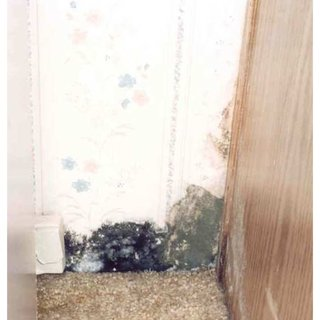
- Musty odors in attics, basements, or behind walls
- Stains, discoloration, or peeling paint on ceilings and walls
- Visible mold growth on wood, drywall, or flooring
- Condensation on windows, pipes, or ductwork
- Allergy or respiratory symptoms exacerbated indoors
- Warped, soft, or weakened flooring
Identifying mold early allows for targeted remediation before it spreads, causing structural damage or health concerns.
Step 1: Professional Mold Inspection
A thorough inspection is the foundation of successful mold removal. Professionals assess both visible and hidden areas using specialized tools and techniques:
Visual Assessment
Technicians inspect attics, basements, crawl spaces, walls, ceilings, and HVAC systems for signs of moisture or mold growth.
Moisture Detection
Pinless moisture meters, hygrometers, and infrared cameras detect hidden dampness inside walls, under flooring, or within insulation.
Air and Surface Sampling
Air sampling measures mold spore levels in the home, while surface swabs identify mold species and contamination extent.
HVAC Evaluation
Ductwork, air handlers, and vents are inspected for mold growth and moisture accumulation. Older HVAC systems may harbor dust, debris, or microbial growth that exacerbates indoor air quality issues.
Professional inspection ensures that all affected areas are identified and informs an effective remediation strategy.
Step 2: Containment and Safety Measures
Before mold removal begins, containment is necessary to prevent spore spread:
- Seal off affected areas using plastic sheeting and negative pressure fans
- Turn off HVAC systems to avoid circulating spores
- Remove or cover furniture and personal items
- Use personal protective equipment (PPE), including masks, gloves, and protective clothing
Containment protects occupants and ensures a safe remediation process.
Step 3: Mold Removal Process
Mold remediation in older homes involves several key steps:
Removal of Contaminated Materials
Porous materials heavily affected by mold, such as drywall, insulation, or carpet padding, may require removal and replacement.
Cleaning and Disinfection
Non-porous surfaces, including wood, metal, and tile, are scrubbed and treated with antimicrobial solutions.
Drying and Dehumidification
Industrial air movers and dehumidifiers remove moisture from walls, floors, and structural components to prevent future mold growth.
HVAC Cleaning
Air ducts, fans, and coils are cleaned to remove spores and allergens, restoring safe airflow throughout the home.
Structural Repairs
Damaged drywall, insulation, or flooring is repaired or replaced. Foundation or attic leaks are sealed, and plumbing or HVAC components are repaired to prevent recurrence.
Following these steps ensures mold is removed safely, completely, and in a way that prevents regrowth.
Hidden Areas of Concern in Older Homes
Older homes often have concealed mold-prone areas:
- Behind walls and baseboards
- Under flooring or subflooring
- Crawl spaces or attics with poor ventilation
- HVAC ducts or insulation that has aged and deteriorated
Specialized tools, including moisture meters and infrared cameras, are essential for detecting hidden mold and ensuring complete remediation.
Preventive Measures for Homeowners
After mold removal, preventive steps help protect older homes from future problems:
- Roof and plumbing maintenance: Inspect shingles, flashing, and pipes regularly to prevent leaks.
- Improve ventilation: Install exhaust fans, attic vents, and dehumidifiers to control indoor humidity.
- Seal cracks and gaps: Prevent water intrusion through foundation cracks, window seals, or doors.
- Regular HVAC maintenance: Clean ducts, change filters, and inspect for moisture buildup.
- Seasonal inspections: Evaluate attics, crawl spaces, and basements for early signs of moisture or mold.
- Moisture monitoring: Use hygrometers or moisture meters to detect potential issues early.
Proactive measures reduce the risk of recurring mold and protect indoor air quality.
Health Implications of Mold in Older Homes
Mold exposure can affect health, particularly in homes with aging structures and ventilation:
- Allergic reactions such as sneezing, runny nose, or itchy eyes
- Respiratory irritation, coughing, and wheezing
- Asthma flare-ups or chronic respiratory issues
- Musty odors causing discomfort and reduced indoor air quality
Proper inspection, removal, and prevention maintain a healthy home environment.
Why Local Expertise Matters
Titusville’s humid climate and proximity to coastal storms create unique mold risks. Local professionals understand:
- Common construction materials and aging systems in older Florida homes
- Humidity and storm-driven moisture patterns
- Efficient mold inspection, detection, and remediation methods
- Preventive strategies to maintain long-term indoor air quality
Companies like Palm Bay Mold Removal provide tailored services to older Titusville homes, combining professional expertise with local knowledge for optimal results.
Practical Steps for Homeowners
- Conduct regular visual inspections for signs of mold or moisture.
- Hire professional mold inspectors to evaluate hidden areas using moisture detection and air sampling.
- Contain affected areas during remediation to prevent spore spread.
- Remove contaminated materials and disinfect non-porous surfaces.
- Dry all structural components thoroughly with industrial equipment.
- Repair damaged insulation, drywall, flooring, and HVAC components.
- Implement preventive measures, including improved ventilation, regular inspections, and moisture monitoring.
Following these steps ensures older homes remain structurally sound, safe, and free of mold-related health risks.
Final Thoughts
Mold removal in older Titusville homes requires careful inspection, professional remediation, and ongoing preventive maintenance. By identifying moisture sources, cleaning HVAC systems, and addressing hidden mold, homeowners can protect both property and occupant health.
Building on lessons from Palm Bay post-hurricane duct cleaning, this guide shows the importance of early intervention and local expertise. Older homes in Titusville can remain safe, comfortable, and resilient against Florida’s humid climate with the right combination of professional services and proactive maintenance.