
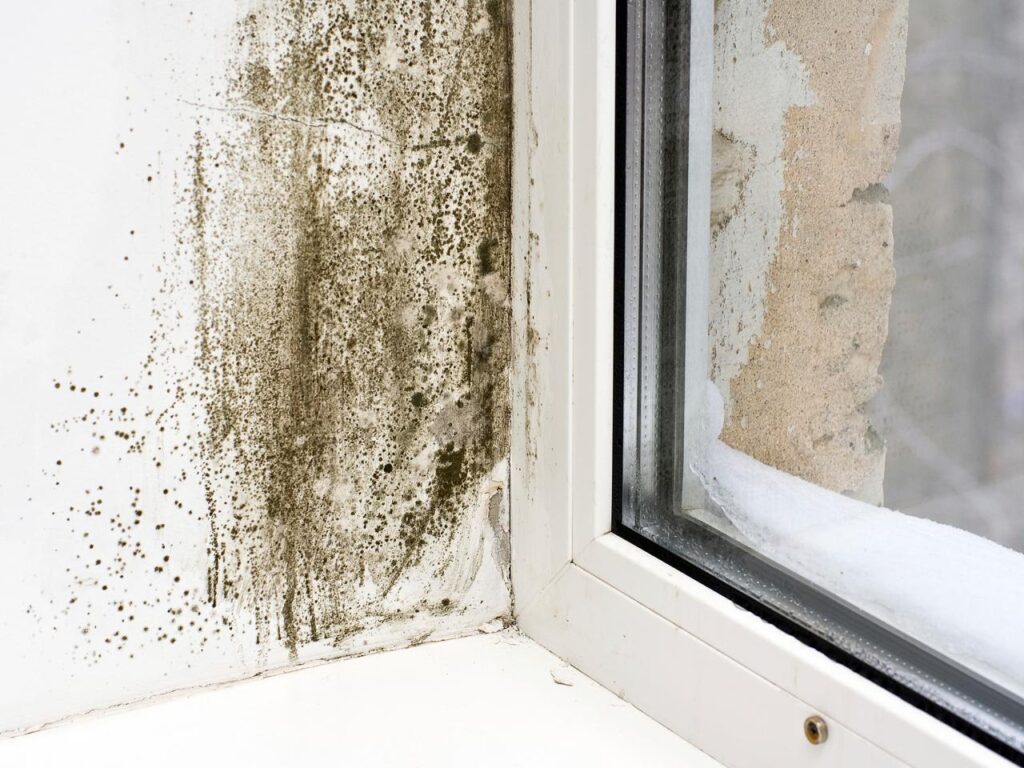
Mold Removal in Titusville in Coastal Homes: A Local Homeowner Guide
Living in Titusville has its advantages — river views, warm weather, and that steady coastal breeze coming off the Indian River Lagoon. But coastal living also means one thing homeowners can’t ignore:
Moisture is constant.
Even though Titusville isn’t directly on the ocean like Cocoa Beach or Satellite Beach, it still experiences high humidity, heavy seasonal rain, tropical systems, and salt-heavy air that accelerates material wear. When moisture lingers inside a home, mold can follow.
If you’re dealing with mold in a Titusville coastal home, understanding how removal works — and why moisture control matters — helps you make informed decisions instead of reactive ones.
Why Coastal Homes in Titusville Are More Vulnerable
Titusville homes face several environmental pressures:
- High year-round humidity
- Frequent summer storms
- Hurricane exposure
- Elevated groundwater
- Slab foundations
- Attic ductwork exposed to humid air
Even small moisture issues can escalate because materials don’t dry quickly in Florida’s climate.
In coastal areas, salt exposure also accelerates deterioration of flashing, HVAC components, and exterior seals — creating small intrusion points that allow moisture inside.
Common Causes of Mold in Titusville Coastal Homes
Mold rarely appears without a moisture source. In Titusville, common triggers include:
1. Roof and Attic Leaks
Wind-driven rain during storms can enter through:
- Flashing gaps
- Vent boots
- Soffit openings
- Aging roof penetrations
Insulation absorbs moisture quickly, and attic mold often develops quietly.
2. HVAC Condensation
Air conditioning systems run heavily in Titusville.
Common moisture sources include:
- Clogged condensate drains
- Sweating ductwork
- Overflowing drain pans
- Return chases pulling humid attic air
When indoor humidity remains high, mold risk increases.
3. Slab Edge Moisture
Extended rainfall saturates soil around foundations.
Moisture can wick upward into:
- Lower drywall sections
- Baseboards
- Flooring edges
Early signs often include bubbling paint or soft trim.
4. Plumbing Leaks
Under-sink drips, washing machine failures, and water heater leaks are frequent contributors.
Even clean water can create mold conditions if not dried properly.
Early Warning Signs Homeowners Should Watch For
In Titusville homes, mold often presents as:
- Musty odor
- Warped baseboards
- Bubbling paint
- Ceiling discoloration
- AC odor when starting
- Persistent humidity inside the home
Subtle signs are easier to address than widespread growth.
How Professional Mold Removal Works
Proper mold removal focuses on both contamination and moisture correction.
Step 1: Moisture Source Identification
Before removal begins, the moisture source must be corrected.
This may include:
- Roof repairs
- Drainage adjustments
- Plumbing fixes
- HVAC maintenance
Without stopping moisture, mold returns.
Step 2: Containment
Affected areas are isolated to prevent spores from spreading during removal.
Containment protects unaffected rooms.
Step 3: Removal of Affected Materials
Porous materials that cannot be effectively dried are removed, such as:
- Lower drywall sections
- Wet insulation
- Damaged baseboards
- Swollen cabinetry
- Contaminated carpet padding
Selective removal avoids unnecessary demolition.
Step 4: Cleaning Structural Surfaces
Framing and structural elements are cleaned using professional methods designed to remove contamination, not mask odor.
Step 5: Structural Drying and Humidity Control
Commercial dehumidifiers and air movers reduce indoor humidity and dry exposed materials.
In Titusville’s climate, humidity control is essential for long-term success.
Step 6: Verification Before Rebuilding
Moisture readings confirm materials are dry before:
- Reinstalling drywall
- Replacing insulation
- Repairing trim
- Painting
Rebuilding too early traps moisture.
Cost Factors for Mold Removal in Titusville
Costs vary depending on:
- Size of affected area
- Attic involvement
- HVAC contamination
- Duration of moisture exposure
- Amount of material removal
- Reconstruction scope
Small, early-detected areas are far more manageable than long-term hidden moisture.
Early action reduces overall expense.
How to Prevent Mold in Coastal Titusville Homes
Prevention focuses on moisture control.
Maintain Roof and Exterior Seals
Inspect annually:
- Flashing
- Vent boots
- Window caulking
- Exterior penetrations
Salt air accelerates seal breakdown.
Monitor Attic Conditions
After heavy storms, check for:
- Damp insulation
- Darkened sheathing
- Musty odor
Attic moisture often spreads downward over time.
Maintain HVAC Systems
Regularly:
- Clear drain lines
- Inspect condensate pans
- Check duct insulation
- Monitor indoor humidity
Aim for humidity below 55%.
Address Leaks Immediately
Small plumbing leaks become bigger problems quickly in humid environments.
Why Local Experience Matters
Mold removal in Titusville coastal homes differs from inland climates because of:
- High baseline humidity
- Frequent rain cycles
- Slab foundation moisture behavior
- Salt corrosion
- Attic duct exposure
Homes in Titusville, Merritt Island, Cocoa Beach, Satellite Beach, Melbourne, and Palm Bay share similar environmental conditions.
Palm Bay Mold Removal regularly handles inspections and remediation throughout Brevard County, focusing on moisture detection first and removal second.
Because in coastal Florida, controlling humidity is the foundation of preventing mold from returning.
A Practical Next Step
If you suspect mold in your Titusville home, start with a structured moisture evaluation.
Not every musty smell means extensive damage.
But identifying moisture early prevents small issues from becoming major structural repairs.
In coastal homes, proactive maintenance is always more affordable than reactive remediation.