
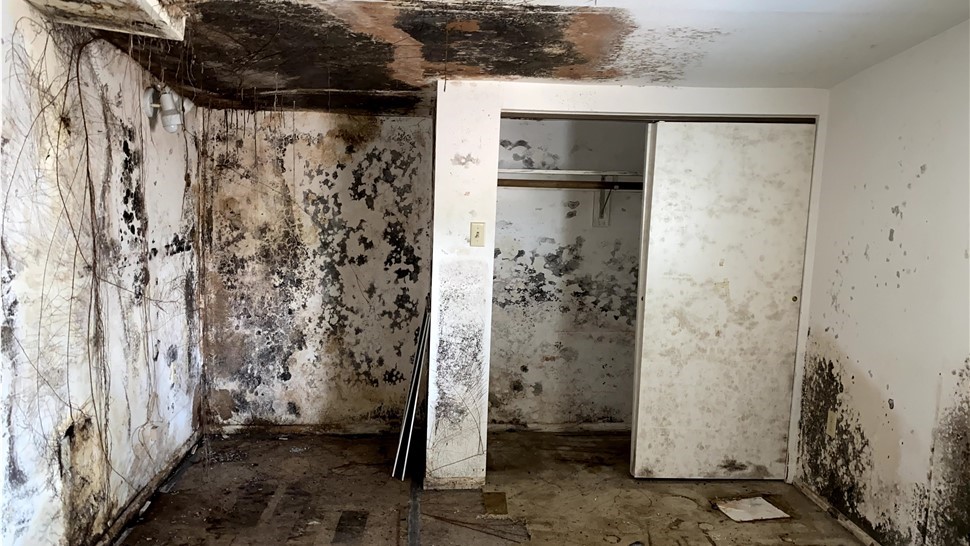
Mold Removal in Rockledge in Rental Properties: How to Prevent Future Damage
Rental properties in Rockledge come with a unique set of challenges. As a landlord or property manager, you’re not just maintaining a structure — you’re maintaining a living environment that multiple tenants rely on. In Florida’s humid climate, mold can develop quickly if moisture isn’t addressed properly.
When mold appears in a rental home, removal is only the first step. The bigger concern is preventing it from coming back. Without correcting ventilation issues, plumbing leaks, or humidity imbalances, the same conditions that caused mold the first time will likely cause it again.
For Rockledge rental properties, long-term prevention requires understanding how moisture behaves in Florida homes — and taking practical steps to control it.
Why Rental Properties in Rockledge Are More Vulnerable
Rockledge experiences:
High year-round humidity
Frequent summer rainstorms
Long air-conditioning seasons
Warm attic temperatures
Occasional hurricane-related moisture intrusion
Rental homes may face additional risks such as:
Delayed reporting of leaks
Blocked return vents
Inconsistent HVAC filter changes
Bathroom fans not being used properly
Tenant turnover gaps in maintenance
Homes in nearby Viera and Cocoa face similar humidity levels, but tenant maintenance habits often determine how quickly moisture problems escalate.
Without consistent oversight, minor issues can quietly develop into mold growth.
Common Causes of Mold in Rental Homes
Understanding the source of mold is essential to preventing future damage.
Frequent causes include:
Roof leaks after storms
AC condensation overflow
Clogged condensate drain lines
Minor plumbing leaks under sinks
Poor attic ventilation
Elevated indoor humidity
Flooding or water intrusion
In many cases, mold is not the main issue — it’s a symptom of ongoing moisture.
Professional removal must always include identifying and correcting the moisture source.
The Mold Removal Process in Rental Properties
Step 1: Confirm the Moisture Source Is Fixed
Before removal begins, leaks or ventilation problems must be resolved.
This may involve:
Repairing roof flashing
Replacing damaged shingles
Clearing AC drain lines
Repairing plumbing fittings
Improving attic ventilation
Without moisture correction, mold will return.
Palm Bay Mold Removal typically begins Rockledge rental remediation projects with moisture detection to confirm the source has been addressed.
Step 2: Containment
Containment protects unaffected areas of the rental home.
Plastic barriers isolate the work area.
Negative air machines maintain controlled airflow.
HEPA filtration helps reduce particle spread.
This step is especially important in occupied rental units.
Step 3: Removal of Contaminated Materials
Porous materials that cannot be cleaned may require removal.
This can include:
Drywall
Insulation
Carpet padding
Baseboards
Selective removal limits reconstruction costs while addressing contamination effectively.
Step 4: Cleaning and Surface Treatment
Structural framing and surfaces are cleaned using:
HEPA vacuuming
Targeted cleaning methods
Surface wiping
The goal is to remove contamination while preserving structural components whenever possible.
Step 5: Controlled Drying
Drying ensures moisture levels are stabilized before rebuilding.
This includes:
Commercial dehumidifiers
Air movers
Humidity monitoring
Indoor humidity should remain below 60 percent.
Moisture readings confirm when reconstruction can safely begin.
How to Prevent Mold from Returning
Removal is only successful if preventative measures follow.
Establish Regular HVAC Maintenance
Require regular filter replacement.
Schedule annual HVAC inspections.
Flush condensate drain lines regularly.
AC systems in Rockledge run most of the year and must be maintained consistently.
Monitor Indoor Humidity
Install a digital hygrometer.
Maintain indoor humidity below 60 percent.
Encourage tenants to report condensation or musty odors promptly.
Inspect Roofs Annually
Coastal storms can loosen shingles and flashing.
Routine roof inspections prevent hidden attic moisture.
Improve Attic Ventilation
Ensure soffit and ridge vents remain clear.
Balanced airflow reduces condensation on roof decking.
Perform Routine Property Walkthroughs
Periodic inspections allow early detection of:
Soft drywall
Musty smells
Peeling paint
Warped baseboards
Catching issues early significantly reduces remediation costs.
Slab Foundations and Rental Homes
Many Rockledge homes are built on slab foundations.
If plumbing leaks occur beneath the slab, moisture can migrate upward into flooring and lower drywall sections.
Professional moisture detection confirms whether slab-related dampness remains after repairs.
Ignoring slab moisture increases the risk of recurring mold.
Why Prevention Is Critical for Landlords
Repeated mold issues can result in:
Higher repair costs
Tenant dissatisfaction
Extended vacancy periods
Increased maintenance expenses
Proactive moisture management protects long-term property value.
Preventative maintenance costs far less than repeated remediation.
The Importance of Local Experience
Rockledge rental properties range from older homes with limited ventilation to newer concrete block construction.
Florida’s humid climate creates moisture patterns different from drier regions.
Professionals familiar with Brevard County housing understand attic ventilation systems, slab foundations, and HVAC configurations common in Rockledge neighborhoods.
Palm Bay Mold Removal has worked extensively throughout Rockledge and surrounding communities, helping landlords address mold removal and long-term moisture prevention.
Protecting Your Investment
Mold removal in Rockledge rental properties must focus on long-term prevention, not just cleanup. Correcting moisture sources, stabilizing humidity, maintaining HVAC systems, and performing routine inspections all work together to prevent recurrence.
Ignoring minor warning signs such as musty odors or small stains often leads to larger repairs later.
By combining professional remediation, moisture detection, preventative maintenance, and consistent property oversight, landlords can protect their rental investments effectively.
In Florida’s humid climate, proactive moisture control remains the most reliable strategy for preventing future mold damage.