
Mold Remediation Services in Viera after storm damage: Costs, Causes, and Solutions
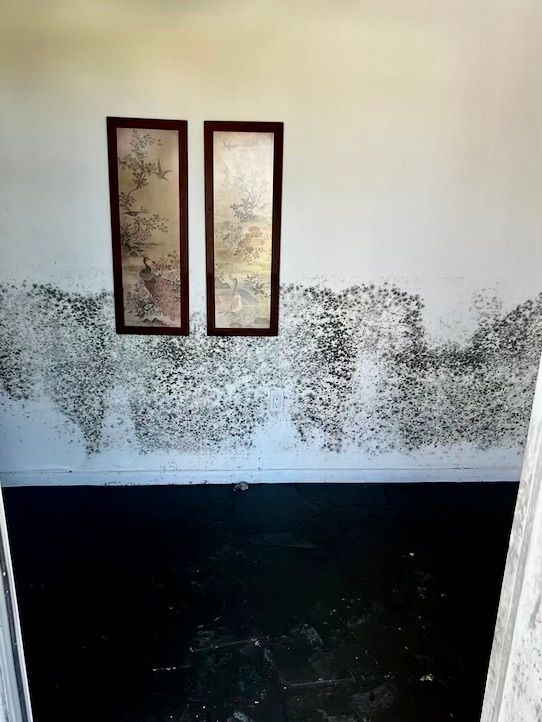
Homes in Viera frequently face challenges from storms, heavy rains, and high humidity. These conditions can lead to water intrusion, resulting in damp or flooded areas, and create the perfect environment for mold growth. Mold is not only damaging to building materials but can also compromise indoor air quality and pose health risks to residents.
Professional mold remediation services are essential for identifying, removing, and preventing mold after storm-related damage. This guide explores the common causes of storm-related mold, costs involved in remediation, the step-by-step process, and solutions for homeowners in Viera seeking to protect their properties.
Understanding Mold Growth After Storm Damage
Mold is a fungus that thrives in warm, damp, and poorly ventilated environments. Storms increase the likelihood of mold in Viera homes through:
- Water Intrusion – Rainwater can seep through damaged roofs, windows, or walls.
- High Humidity – Florida’s coastal climate maintains elevated moisture levels indoors.
- Flooding – Storm surges, flash floods, or drainage failures can saturate flooring and walls.
- Plumbing Damage – Heavy storms can stress pipes, causing leaks or backups.
- Poor Ventilation – Stagnant air in attics, basements, and crawl spaces traps moisture.
Even a small amount of lingering water can promote mold growth within 24–48 hours. Early identification and professional intervention are critical to minimize damage.
Common Causes of Mold After Storms
1. Roof Leaks
Storms often damage shingles, flashing, and roofing membranes, allowing rainwater to penetrate attics and ceilings.
2. Window and Door Damage
High winds and water infiltration around poorly sealed windows and doors can lead to wet walls, flooring, and furniture.
3. Flooded Basements and Crawl Spaces
Stormwater may enter low-lying areas, saturating carpets, insulation, and structural materials.
4. Plumbing Failures
Pressure fluctuations or pipe damage during storms can result in leaks or burst pipes.
5. Condensation and HVAC Issues
Humidity from storms combined with inefficient ventilation and AC systems can create mold-friendly conditions in ducts, coils, and drip pans.
Early Signs of Mold
Property owners should watch for the following indicators:
- Musty or Earthy Odors – Often the first sign of hidden mold.
- Visible Mold – Black, green, or gray spots on walls, ceilings, or flooring.
- Water Stains or Discoloration – Yellow, brown, or darker patches on walls or ceilings.
- Warping, Bubbling, or Peeling Materials – Moisture can deform wood, paint, or drywall.
- Health Symptoms – Sneezing, coughing, or eye irritation indoors.
- Excess Condensation – Windows, pipes, and ducts showing moisture accumulation.
Prompt identification helps focus inspection efforts and prevents mold from spreading further.
Costs of Mold Remediation
Costs vary based on the size of the affected area, severity of contamination, and complexity of the property. Common factors include:
- Inspection Fees – Professional mold inspection typically ranges from $300–$600, including sampling and lab testing.
- Small Area Remediation – Cleaning and treating isolated spots can cost $500–$1,500.
- Moderate Infestation – Removal of multiple affected areas, including drywall, insulation, or carpet, can range $1,500–$5,000.
- Severe Contamination – Large-scale remediation with structural repair, HVAC cleaning, and post-remediation verification can exceed $5,000–$10,000.
- Preventive Measures – Installing dehumidifiers, improving ventilation, or repairing roofing may be additional costs.
Insurance coverage may help offset costs if mold is caused by storm-related water intrusion and is properly documented.
Professional Mold Remediation Process
Step 1: Inspection and Assessment
- Identify visible and hidden mold in walls, ceilings, flooring, attics, crawl spaces, and HVAC systems.
- Use moisture meters and thermal imaging to detect water intrusion behind surfaces.
- Sample air and surfaces to determine mold type and concentration.
Step 2: Containment
- Isolate affected areas with barriers or negative air pressure to prevent spore spread.
- Protect unaffected areas and personal belongings.
Step 3: Removal of Contaminated Materials
- Porous materials like drywall, insulation, or carpet may need removal if heavily contaminated.
- Non-porous surfaces are cleaned and treated with antimicrobial agents.
Step 4: Cleaning and Sanitization
- HEPA vacuums remove loose spores from surfaces and ducts.
- Antimicrobial solutions prevent regrowth and neutralize odors.
Step 5: Drying and Moisture Control
- Air movers, fans, and dehumidifiers ensure complete drying.
- Address leaks, condensation, or ventilation issues contributing to moisture accumulation.
Step 6: Post-Remediation Verification
- Follow-up inspections confirm mold removal and safe moisture levels.
- Homeowners receive guidance on maintaining a mold-free environment.
Solutions to Prevent Mold Recurrence
- Improve Ventilation – Ensure proper airflow in attics, crawl spaces, and living areas.
- Control Humidity – Maintain indoor humidity below 50% using dehumidifiers or HVAC systems.
- Repair Leaks Promptly – Roofs, windows, and plumbing must be maintained to prevent water intrusion.
- Upgrade Building Materials – Use mold-resistant drywall, paint, and insulation in high-risk areas.
- Regular Maintenance – Clean gutters, inspect AC systems, and monitor storm-prone areas after heavy rainfall.
- Install Moisture Monitoring Devices – Early detection of water intrusion can prevent mold growth.
Implementing these solutions minimizes the risk of future mold infestations and protects both property and occupant health.
Health and Property Benefits
- Protect Indoor Air Quality – Reduces exposure to allergens, spores, and musty odors.
- Preserve Structural Integrity – Prevents wood rot, drywall deterioration, and subfloor damage.
- Reduce Long-Term Costs – Early intervention minimizes extensive repairs.
- Maintain Safety and Comfort – Ensures a healthy living environment after storm damage.
- Supports Insurance Claims and Property Value – Documentation of remediation may assist with claims and maintain resale value.
Local Expertise Matters
Viera homeowners benefit from local mold remediation specialists who understand:
- Florida’s storm patterns, heavy rainfall, and hurricane risks
- Common construction vulnerabilities in coastal homes
- Effective water extraction, drying, and mold remediation techniques
- Preventive strategies tailored to local climate and building types
Local experience ensures remediation is efficient, effective, and adapted to Viera’s environmental conditions.
Conclusion
Storm damage in Viera creates ideal conditions for mold growth, posing risks to both property and health. Early detection of warning signs—musty odors, visible mold, water stains, and condensation—is crucial to prevent widespread contamination.
Professional mold remediation addresses both visible and hidden mold through inspection, containment, removal, cleaning, drying, and verification. Costs vary depending on severity, but early action reduces long-term repair expenses.
Preventive solutions—including improved ventilation, humidity control, timely repairs, and regular maintenance—help homeowners maintain safe, healthy, and structurally sound properties. By engaging local professionals, Viera residents can protect their homes from the damaging effects of storm-related mold while ensuring safe living environments year-round.