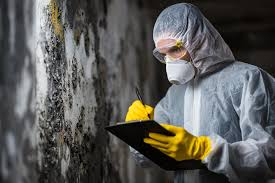
Mold Remediation Services in Titusville After Hurricanes: Warning Signs and Prevention
Hurricanes in Titusville, Florida, can leave a trail of water damage and moisture intrusion, creating ideal conditions for mold growth. Moisture from roof leaks, flooding, or broken pipes can lead to serious health risks, structural damage, and decreased indoor air quality.
For homeowners, understanding warning signs, remediation services, and preventive strategies is essential to protect both property and family health. This guide provides a comprehensive overview for Titusville residents dealing with post-hurricane mold.
Why Mold Remediation Is Critical After Hurricanes
- Health Protection
- Mold spores can trigger allergies, asthma, respiratory infections, and other health complications, especially in children, elderly, and immunocompromised individuals.
- Structural Integrity
- Unchecked mold growth damages drywall, wood framing, insulation, and flooring, compromising the home’s safety.
- Indoor Air Quality
- Mold-contaminated homes circulate spores and volatile compounds, reducing air quality and comfort.
- Financial Implications
- Delayed remediation increases repair costs and can reduce property value.
- Insurance Documentation
- Professional mold inspections and remediation reports are essential for hurricane-related insurance claims.
Common Causes of Mold After Hurricanes
- Flooding and Water Intrusion
- Heavy rains or storm surges saturate floors, walls, and crawlspaces.
- Roof and Window Leaks
- Wind and water damage allow moisture to seep into attics, ceilings, and walls.
- Plumbing Failures
- Burst pipes or faulty appliances can add to water accumulation.
- High Humidity
- Florida’s coastal climate promotes persistent dampness after hurricanes.
- Poor Ventilation
- Limited airflow in enclosed spaces accelerates mold growth in moist areas.
Warning Signs of Mold Growth
- Musty or Mildew Odors
- Persistent, earthy smells in living spaces, basements, or attics.
- Visible Mold Patches
- Black, green, white, or fuzzy growth on walls, ceilings, baseboards, or HVAC ducts.
- Water Stains and Discoloration
- Yellow, brown, or dark stains on drywall or wood indicate prolonged moisture exposure.
- Warped or Bubbling Surfaces
- Flooring, walls, or ceilings may feel spongy or show surface distortion.
- Health Symptoms
- Sneezing, coughing, eye irritation, or respiratory discomfort indoors.
- Condensation or Dampness
- Water droplets on windows, pipes, or walls suggest elevated indoor moisture levels.
Step-by-Step Mold Remediation Process After Hurricanes
Step 1: Safety Precautions
- Wear protective gear such as gloves, N95 respirators, and eye protection.
- Seal affected areas to prevent spore spread to other parts of the home.
Step 2: Inspection and Assessment
- Use moisture meters, infrared cameras, and visual inspections to identify mold-affected areas.
- Document damage for insurance purposes.
Step 3: Containment
- Install barriers or plastic sheeting to isolate contaminated zones and prevent cross-contamination.
Step 4: Removal of Contaminated Materials
- Remove water-damaged drywall, insulation, carpeting, and other porous materials that cannot be restored.
Step 5: Cleaning and Disinfection
- Scrub hard surfaces with EPA-approved antimicrobial cleaners.
- Use HEPA vacuuming for dust, debris, and spores.
Step 6: Drying and Dehumidification
- Employ air movers, fans, and dehumidifiers to eliminate residual moisture and prevent regrowth.
Step 7: Restoration and Repairs
- Replace removed materials with mold-resistant drywall, insulation, and flooring.
- Seal and repaint surfaces for long-term protection.
Step 8: Final Verification
- Conduct a post-remediation inspection to confirm mold removal and proper moisture control.
Preventive Strategies for Homeowners
- Prompt Water Removal
- Extract standing water and dry affected areas within 24–48 hours after flooding.
- Maintain Proper Ventilation
- Use exhaust fans in bathrooms and kitchens and ensure attic ventilation is adequate.
- Control Humidity
- Keep indoor humidity below 60% with dehumidifiers and proper air circulation.
- Inspect and Repair Roofs and Windows
- Prevent water intrusion by repairing leaks and maintaining flashing and seals.
- Routine HVAC Maintenance
- Clean ducts, replace filters, and check for condensation or water exposure.
- Use Mold-Resistant Materials
- Consider mold-resistant drywall, insulation, and paints in areas prone to flooding.
- Regular Monitoring
- Periodically check basements, crawlspaces, attics, and behind furniture for moisture or mold growth.
Benefits of Timely Mold Remediation
- Healthier Living Environment
- Reduces exposure to allergens, bacteria, and mold spores.
- Preserved Home Structure
- Protects walls, flooring, and framing from long-term damage.
- Improved Indoor Air Quality
- Eliminates musty odors and circulating spores.
- Cost Savings
- Early remediation prevents extensive damage and expensive repairs.
- Peace of Mind
- Ensures the home is safe, dry, and habitable after hurricane-related flooding.
Conclusion
Hurricanes in Titusville can create ideal conditions for mold growth, leading to health risks, structural damage, and indoor air quality problems. Early warning signs—such as musty odors, visible mold, water stains, and respiratory issues—should never be ignored.
Professional mold remediation services involve inspection, containment, removal, cleaning, drying, and restoration, followed by preventive measures such as humidity control, ventilation improvement, and routine inspections. By acting quickly, homeowners can protect their property, safeguard their family’s health, and prevent future mold problems in hurricane-prone environments.