
Mold Remediation Services in Palm Bay in Commercial Buildings: A Local Homeowner Guide
When mold shows up in a commercial building in Palm Bay, it’s rarely just a cosmetic issue. Whether it’s a retail space, office building, medical suite, or mixed-use property, mold affects indoor air stability, building materials, and daily operations.
Unlike residential homes, commercial buildings often have larger HVAC systems, flat roofs, drop ceilings, and higher occupancy levels. That means moisture problems can spread quickly and affect multiple areas before being noticed.
If you own or manage commercial property in Palm Bay, understanding how mold remediation works — and how to prevent repeat issues — is essential.
Why Commercial Buildings in Palm Bay Are Vulnerable
Palm Bay’s climate creates ongoing moisture pressure on buildings:
- High year-round humidity
- Heavy seasonal rain
- Hurricane exposure
- Long AC operating cycles
- Warm attic and roof temperatures
Commercial buildings often include:
- Flat or low-slope roofing systems
- Large rooftop HVAC units
- Drop ceilings with hidden cavities
- Extensive duct networks
- Shared plumbing lines
When moisture enters through roof penetrations, HVAC condensation, or plumbing leaks, it can travel above ceiling tiles or inside wall assemblies without being immediately visible.
Nearby areas like West Melbourne and Malabar experience similar conditions, but building design often determines how moisture spreads.
Common Causes of Mold in Palm Bay Commercial Buildings
Mold remediation calls in commercial properties often trace back to:
Roof membrane failures
HVAC condensation overflow
Clogged rooftop drain systems
Poor ventilation in interior offices
Plumbing leaks in shared walls
Water intrusion around storefront windows
Because commercial buildings may sit unoccupied overnight or on weekends, minor leaks can continue for days before being reported.
Early detection significantly reduces remediation scope.
Early Warning Signs in Commercial Spaces
Property owners and managers should monitor for:
Musty odors when HVAC systems start
Stained or sagging ceiling tiles
Peeling paint near rooflines
Visible condensation around vents
Recurring tenant complaints about air quality
Warped baseboards along exterior walls
Ceiling tile staining is especially common in flat-roof commercial buildings after heavy rain.
Replacing a tile without addressing the moisture source leads to repeat damage.
The Mold Remediation Process in Commercial Buildings
Step 1: Identify and Correct the Moisture Source
Before remediation begins, the source must be resolved.
This may involve:
Repairing roof membrane seams
Sealing rooftop penetrations
Clearing rooftop drains
Repairing plumbing leaks
Correcting HVAC drainage
Without moisture correction, remediation is temporary.
Palm Bay Mold Removal often begins commercial remediation projects with moisture detection and roof evaluation before containment is installed.
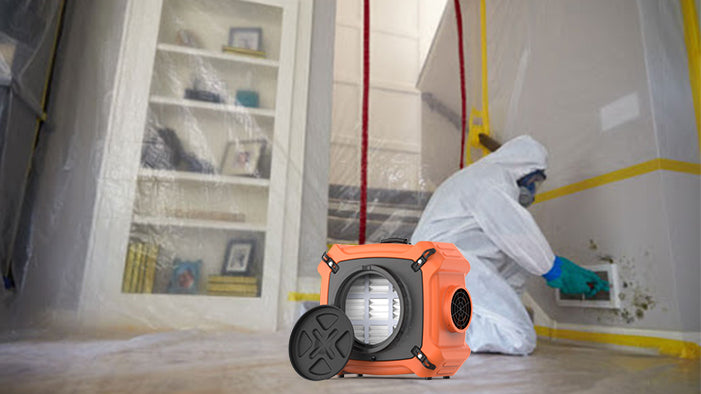
Step 2: Containment and Air Control
In commercial settings, containment is critical to prevent cross-contamination.
Plastic barriers isolate affected areas.
Negative air machines maintain controlled airflow.
HEPA filtration stabilizes indoor air during the process.
This step helps protect tenants and staff in adjacent spaces.
Step 3: Removal of Contaminated Materials
Porous materials that cannot be effectively cleaned may require removal.
Common removals include:
Ceiling tiles
Insulation above drop ceilings
Drywall sections
Carpet padding
Selective removal limits business disruption while addressing contamination thoroughly.
Step 4: Cleaning and Surface Treatment
Structural components are cleaned using:
HEPA vacuuming
Targeted cleaning methods
Surface wiping
Cleaning restores framing and structural surfaces where possible.
Odor often improves significantly once contamination is removed.
Step 5: Controlled Drying
Commercial drying includes:
Industrial dehumidifiers
High-capacity air movers
Humidity monitoring
Palm Bay’s humidity slows evaporation, so active drying is necessary.
Moisture readings confirm stability before reconstruction.
Cost Factors in Commercial Mold Remediation
Remediation costs vary depending on:
Size of the affected area
Number of rooms or tenant spaces involved
Extent of material removal
HVAC system contamination
Accessibility of ceiling cavities
Need for after-hours scheduling
Early intervention reduces the overall cost.
Ignoring minor staining can lead to multi-room remediation later.
Preventing Mold in Commercial Properties
Property owners can reduce risk by:
Scheduling annual roof inspections
Inspecting rooftop HVAC units regularly
Flushing condensate drain lines
Replacing filters consistently
Monitoring indoor humidity
Checking ceiling tiles after major storms
Responding quickly to tenant maintenance requests
Preventative maintenance is less disruptive than emergency remediation.
Routine inspections protect long-term asset value.
HVAC Systems and Large Duct Networks
Commercial HVAC systems circulate large volumes of air.
If condensation issues develop inside rooftop units, moisture can spread throughout duct systems.
Regular inspection helps identify:
Clogged drain pans
Restricted airflow
Damaged duct insulation
Excess humidity
Balanced airflow and drainage reduce recurrence risk.
Why Local Experience Matters in Palm Bay
Palm Bay commercial buildings vary from retail plazas to professional offices and industrial spaces.
Florida’s climate creates moisture behavior different from inland regions.
Professionals familiar with Brevard County construction understand:
Flat roof systems common in commercial properties
Rooftop HVAC layouts
Slab foundations
Drop ceiling assemblies
Palm Bay Mold Removal has worked extensively throughout Palm Bay and surrounding communities, addressing commercial mold remediation specific to Florida’s environment.
Protecting Your Commercial Investment
Mold remediation services in Palm Bay commercial buildings require more than surface cleaning. They demand accurate moisture detection, proper containment, structured drying, and preventative planning.
Ignoring early signs such as ceiling staining or musty odors increases long-term repair costs and tenant dissatisfaction.
By combining professional remediation, regular inspections, HVAC maintenance, and humidity control, property owners can protect their commercial investments effectively.
In Florida’s humid climate, proactive moisture management remains the most reliable way to prevent recurring mold problems in commercial buildings.