Mold Remediation in Viera After Flooding: Early Signs You Should Not Ignore
Flooding in Viera doesn’t always mean dramatic, waist-deep water. Sometimes it’s a few inches after heavy rain, a storm surge pushing water toward the home, or standing water that seeps inside slowly. But here’s the thing many homeowners don’t realize: mold problems often begin after the water seems to be gone.
Moisture hides in drywall, insulation, flooring, and even inside duct systems. If those areas aren’t properly dried, mold can begin developing within days. That’s why mold remediation is often necessary after flooding—and why spotting early warning signs matters so much.
Let’s walk through what to watch for and how remediation helps protect homes in Viera.
What Mold Remediation Means After Flooding
Mold remediation is more than just cleaning visible spots. It’s a structured process designed to remove mold safely and correct the moisture conditions that allowed it to grow.
A proper remediation process typically includes:
- Identifying moisture sources
- Inspecting affected materials
- Removing contaminated materials if needed
- Cleaning and treating surfaces
- Drying and verifying safe moisture levels
The goal isn’t just to remove mold—it’s to prevent it from coming back.
Why Flooding Often Leads to Mold in Viera Homes
Homes in Viera and surrounding areas like Rockledge, Melbourne, and Merritt Island face conditions that make mold more likely after flooding:
- High humidity slows drying
- Warm temperatures speed up mold growth
- Porous materials absorb water quickly
- Insulation and subfloors retain moisture
- AC systems may struggle to control humidity after storms
Even when a home looks dry, moisture can remain trapped inside building materials for weeks if not properly addressed.
Early Signs You Should Not Ignore
One of the biggest mistakes homeowners make is waiting until mold becomes obvious. By then, remediation is usually more extensive.
Watch for these early warning signs:
- Musty or earthy odors
- Discoloration or spotting on walls or ceilings
- Peeling paint or bubbling drywall
- Warped baseboards or flooring
- Damp or humid indoor air
- Allergy-like irritation indoors
These signs often appear days or even weeks after flooding, which makes them easy to overlook.
If something smells off, it’s usually worth investigating.
Hidden Areas Mold Often Develops
Floodwater doesn’t stay in one place. It travels through materials and settles in areas that aren’t visible.
Inspectors frequently find mold in:
- Wall cavities
- Carpet padding and subfloors
- Attic insulation
- Behind cabinets or baseboards
- HVAC ducts and air handlers
These areas can remain damp long after surfaces dry, creating ideal conditions for mold growth.
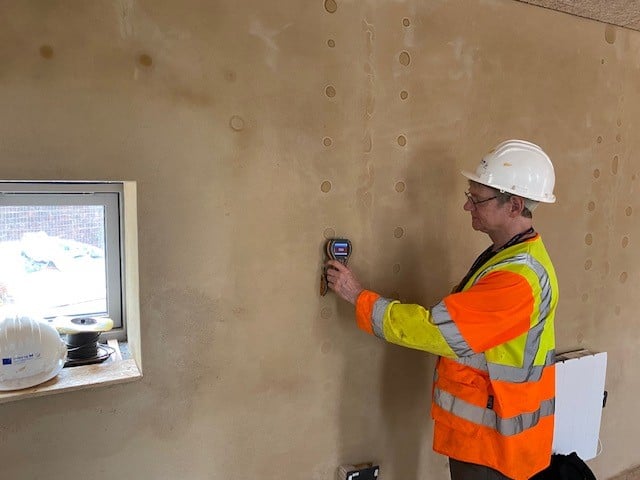
Moisture detection tools are often necessary to locate these hidden problems.
Why DIY Mold Removal Often Falls Short
It’s tempting to clean visible mold with household cleaners, especially if the affected area seems small. But after flooding, mold often extends beyond what can be seen.
DIY methods usually don’t address:
- Hidden mold inside walls
- Moisture trapped in insulation
- Humidity imbalances
- Mold inside duct systems
Without correcting the moisture source, mold often returns—even after cleaning.
Professional remediation focuses on both removal and prevention.
Professional Mold Inspection and Remediation Explained
A thorough remediation process usually begins with inspection.
Technicians typically:
- Inspect the home to locate affected areas
- Measure moisture levels in walls and floors
- Identify the source of moisture
- Remove damaged materials when necessary
- Clean and treat surfaces
- Dry the structure thoroughly
In Viera and nearby Brevard County communities, companies such as Palm Bay Mold Removal often combine mold remediation with moisture detection and water damage restoration to ensure the home is fully dry before repairs begin.
This coordinated approach helps prevent recurring mold problems.
Water Damage Restoration and Mold Prevention
Mold remediation often goes hand-in-hand with water damage restoration. Drying the structure properly is one of the most important steps in preventing mold from spreading.
Restoration may include:
- Structural drying with air movers and dehumidifiers
- Moisture monitoring
- Removal of saturated materials
- Cleaning and sanitation
Skipping proper drying is one of the most common reasons mold returns after flooding.
HVAC Systems and Mold After Flooding
HVAC systems are sometimes overlooked after water damage, but they can play a major role in mold problems.
Potential issues include:
- Moisture inside ductwork
- Damp insulation around ducts
- Condensation buildup
- Musty odors circulating through vents
Inspecting and cleaning duct systems after flooding helps prevent mold spores from spreading through the home.
How to Prevent Mold Problems After Flooding
Prevention is always easier than remediation. Homeowners in Viera can reduce mold risk by:
- Removing water as quickly as possible
- Drying affected areas within 24–48 hours
- Monitoring humidity levels indoors
- Maintaining HVAC systems
- Inspecting roofs and plumbing regularly
- Scheduling periodic moisture inspections
Quick action after flooding is one of the most effective ways to prevent mold growth.
Why Local Experience Matters
Mold behaves differently in Florida than in drier climates. High humidity, warm temperatures, and coastal weather patterns all affect how moisture spreads and how quickly mold develops.
Professionals working in Viera, Palm Bay, and Satellite Beach understand:
- Typical moisture pathways in Florida homes
- Seasonal humidity patterns
- Drying methods suited to coastal environments
- Common mold-prone areas in local construction
This experience helps ensure remediation is thorough and long-lasting.
A Practical Next Step for Homeowners
Flooding can be stressful, but mold problems don’t have to follow. Recognizing early warning signs and addressing moisture quickly can prevent major damage and costly repairs.
If your home has experienced flooding, scheduling an inspection and ensuring the structure is completely dry is one of the best ways to protect your property. With proper remediation and preventive maintenance, homes in Viera can recover fully and remain safe and comfortable for years to come.