
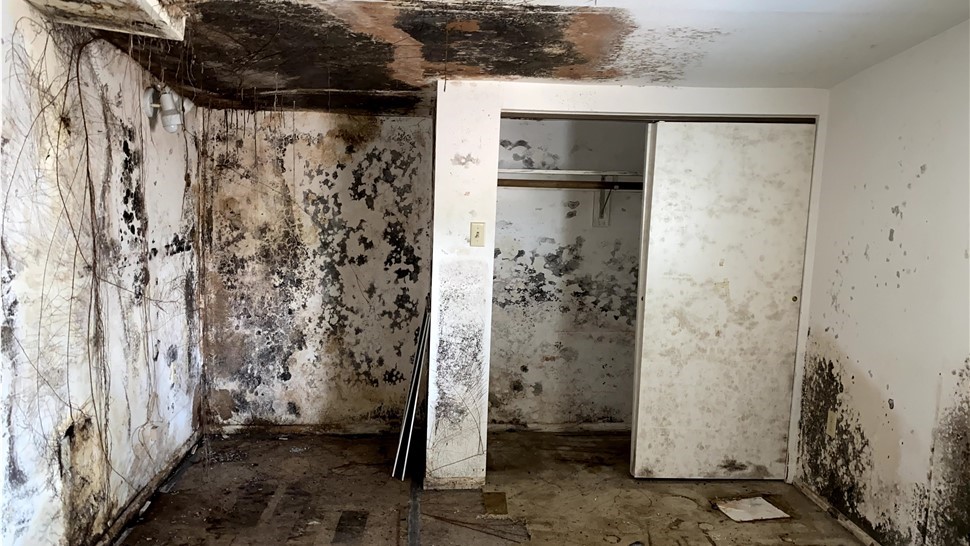
Mold Remediation in Satellite Beach in Older Homes: How to Prevent Future Damage
Older homes in Satellite Beach have character. Many were built decades ago when coastal construction standards were different, attic ventilation was simpler, and insulation practices were not designed for today’s humidity demands. While these homes offer charm and location advantages, they are also more vulnerable to moisture-related issues — especially mold.
In Florida’s coastal climate, mold remediation is not just about removing visible growth. In older homes, preventing future damage requires correcting long-standing ventilation gaps, sealing moisture pathways, and modernizing certain building components.
If you own an older home in Satellite Beach, understanding how remediation works — and how to prevent recurrence — is essential for protecting both structure and property value.
Why Older Homes in Satellite Beach Are More Vulnerable
Satellite Beach sits directly along the Atlantic. Salt air, heavy humidity, and frequent storms create ongoing environmental stress.
Older homes often have:
Original roof systems nearing end-of-life
Minimal attic ventilation
Aging plumbing lines
Outdated duct insulation
Single-pane windows
Limited vapor barriers
Over time, these factors combine with Florida humidity to create hidden moisture pockets.
Homes built decades ago may not have been designed for the extended cooling seasons and HVAC demands common today.
Properties in nearby Cocoa Beach and Indian Harbour Beach face similar coastal conditions, but older structures are especially prone to ventilation-related moisture buildup.
Common Mold Sources in Older Coastal Homes
Mold in older Satellite Beach homes often develops from:
Roof leaks after storms
Condensation in poorly ventilated attics
AC drain line overflow
Slow plumbing leaks
Groundwater intrusion near slab foundations
Inadequate bathroom exhaust ventilation
Even small leaks can cause extended dampness if airflow is insufficient.
Humidity alone, without visible flooding, can also support mold growth when surfaces remain damp.
Early Warning Signs You Should Not Ignore
Homeowners should watch for subtle changes.
Musty odors that persist
Dark discoloration along ceiling edges
Peeling paint near windows
Soft drywall beneath rooflines
Warped baseboards
Condensation around vents
Attics are common problem areas. Visible mold on roof decking often signals ventilation imbalance.
In older homes, these signs may develop gradually over time.
Step 1: Identify and Correct the Moisture Source
Successful mold remediation begins with moisture control.
Before removal begins, professionals identify whether the issue stems from:
Active roof leaks
Plumbing failures
Condensation from poor insulation
Attic ventilation deficiencies
High indoor humidity
If the moisture source is not corrected, mold will return.
Palm Bay Mold Removal often begins projects in older Satellite Beach homes with full moisture detection and airflow evaluation.
Step 2: Containment of Affected Areas
Containment prevents mold spores from spreading during removal.
Plastic barriers isolate contaminated areas. Negative air pressure systems may be used to control airflow.
Older homes with open attic designs or shared air pathways require careful containment to protect unaffected spaces.
HEPA filtration units help maintain indoor air quality during remediation.
Step 3: Removal of Contaminated Materials
Porous materials heavily affected by mold often require removal.
These may include:
Drywall sections
Insulation
Baseboards
Carpet padding
Wood trim
Structural framing may be cleaned if contamination is limited to surface areas.
The goal is complete removal of compromised materials rather than cosmetic treatment.
Step 4: Cleaning and Structural Treatment
After removal, structural components are cleaned thoroughly.
HEPA vacuuming removes residual particles. Targeted cleaning methods are applied as appropriate.
Odor reduction often follows once contaminated materials and moisture are eliminated.
Drying continues throughout the process.
Step 5: Drying and Humidity Stabilization
Drying is critical in older homes where ventilation may be limited.
Commercial dehumidifiers and air movers reduce moisture inside framing and subfloors.
Indoor humidity should remain below 60 percent during recovery.
Moisture readings confirm when materials have stabilized before rebuilding begins.
In Florida’s humid climate, rushing this step increases recurrence risk.
Preventing Future Mold Damage in Older Homes
Prevention requires modernization and maintenance.
Improve Attic Ventilation
Older homes often lack adequate ridge and soffit ventilation.
Improving airflow reduces attic heat and condensation.
Upgrade Duct Insulation
Attic-installed ducts should have intact insulation to prevent condensation.
Damaged insulation should be replaced.
Monitor Indoor Humidity
Install a hygrometer to monitor humidity levels.
If humidity regularly exceeds 60 percent, dehumidification may be necessary.
Maintain Roofing Systems
Inspect roofs annually and after storms.
Salt air accelerates material wear.
Update Plumbing
Older supply lines may fail unexpectedly.
Replacing aging plumbing components proactively reduces leak risk.
Slab Foundations and Groundwater Considerations
Many older Satellite Beach homes sit on slab foundations.
During heavy rain, groundwater levels can rise.
Moisture may migrate upward into flooring and lower drywall sections.
Improving exterior drainage and sealing foundation cracks reduces this risk.
Professional moisture detection helps confirm slab-related dampness.
HVAC Maintenance in Coastal Homes
Air conditioning systems in Satellite Beach operate heavily during summer months.
Routine maintenance should include:
Clearing condensate drain lines
Replacing filters
Inspecting duct connections
Evaluating airflow balance
Proper airflow reduces condensation buildup inside ducts and walls.
Older HVAC systems may benefit from efficiency upgrades.
Why Local Experience Matters
Coastal homes in Satellite Beach face environmental stress different from inland communities like West Melbourne or Palm Bay.
Salt air, heavy storms, and constant humidity create unique moisture pathways.
Professionals familiar with Brevard County housing styles understand common vulnerabilities in older beachside homes.
Palm Bay Mold Removal has worked extensively throughout Satellite Beach and surrounding coastal communities, addressing mold issues tied directly to ventilation and aging construction.
Protecting Your Coastal Investment
Mold remediation in older Satellite Beach homes is not just about removing visible growth. It is about identifying why moisture accumulated and ensuring it does not return.
Ignoring early warning signs often leads to repeated remediation cycles.
By combining structured mold removal with ventilation improvements, roofing maintenance, plumbing upgrades, and humidity control, homeowners can protect their properties long-term.
In Florida’s coastal climate, proactive moisture management is the most effective way to prevent future damage and preserve the integrity of older homes.