Mold Remediation in Palm Bay in Rental Properties: What Homeowners Should Know
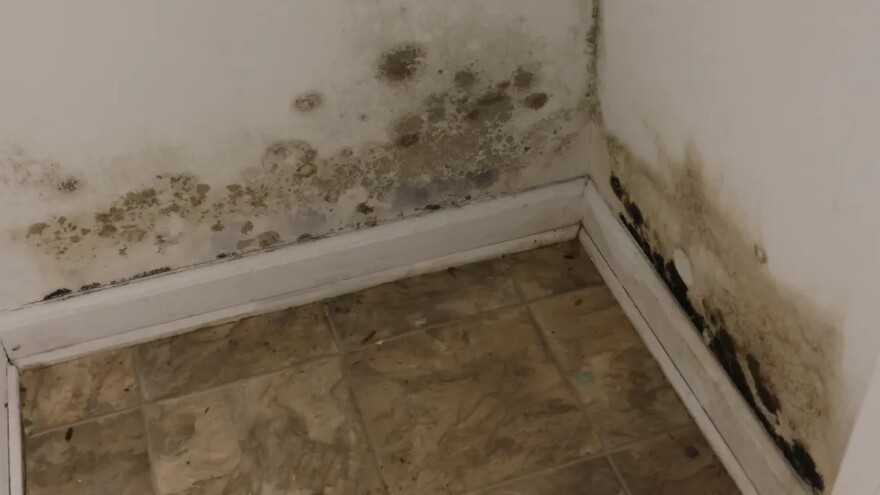
Rental properties require ongoing maintenance, especially in humid coastal environments. In Palm Bay, mold problems are one of the most common issues affecting rental homes, duplexes, and small apartment buildings. High humidity, frequent rain, and year-round air-conditioning create conditions where moisture can build up quietly, allowing mold to grow behind walls, under flooring, or inside air ducts.
For homeowners who rent out properties, understanding how mold develops, how remediation works, and how to prevent future problems is essential. Acting early protects the building itself, reduces repair costs, and helps keep tenants comfortable.
What Mold Problems in Rental Properties Really Are
Mold is a natural organism that spreads through microscopic spores in the air. These spores are always present, indoors and outdoors, but they only grow when they find moisture and organic material.
In rental properties, mold often develops on:
- Drywall and ceiling tiles
- Carpets and padding
- Wooden framing and trim
- Insulation
- HVAC components and ductwork
Even a small leak from a sink, air-conditioning unit, or roof can create enough moisture for mold to begin growing within a day or two.
Because tenants may not always notice early warning signs—or may assume small stains are harmless—mold problems sometimes grow larger before a property owner becomes aware of them.
Why Mold Issues Are So Common in Palm Bay
Florida’s climate plays a major role in mold growth. In Palm Bay and nearby communities, humidity levels often remain high for much of the year, and sudden storms can introduce water into buildings in unexpected ways.
Rental homes and small multifamily properties frequently experience:
- Roof leaks after heavy rain
- Air-conditioning condensation
- Poor ventilation in bathrooms or laundry areas
- Plumbing leaks under sinks or behind walls
- Flooding during seasonal storms
Nearby areas such as Melbourne, Rockledge, and Cocoa Beach face the same conditions, especially in older homes where insulation and vapor barriers may not meet modern standards.
Rental properties also tend to experience more frequent occupant turnover, which can make small maintenance issues easier to overlook if inspections are not done regularly.
Common Signs Tenants or Owners May Notice
Mold problems often begin quietly, but there are warning signs homeowners should take seriously.
These include:
- Musty or damp odors
- Discoloration on walls or ceilings
- Warped baseboards or flooring
- Stains on ceiling tiles
- Persistent humidity in certain rooms
- Peeling paint near windows or vents
Sometimes tenants notice an odor before any visible mold appears. That smell is often the first clue that moisture is trapped somewhere out of sight.
Encouraging tenants to report leaks or unusual smells quickly can help prevent larger repairs later.
Hidden or Overlooked Sources of Moisture
One of the most challenging aspects of mold remediation is locating the true source of moisture. In rental properties, mold frequently develops in places that are rarely inspected.
Common hidden sources include:
- Inside wall cavities after plumbing leaks
- Beneath laminate or vinyl flooring
- Around air-conditioning air handlers
- Behind refrigerators or washing machines
- In attics with poor ventilation
- Inside air ducts or return vents
Properties in coastal communities such as Satellite Beach and Merritt Island often experience condensation problems caused by warm outdoor air meeting cooled interior surfaces.
Without proper moisture detection, these areas can remain damp for long periods.
Why DIY Mold Removal Usually Fails
It is common for property owners or maintenance staff to attempt cleaning mold using bleach or household cleaners. While this may remove surface staining temporarily, it rarely solves the underlying problem.
DIY approaches often fail because:
- Moisture sources are not identified
- Mold penetrates porous materials
- Cleaning spreads spores to nearby areas
- Hidden colonies remain untreated
In rental properties, incomplete cleaning can allow mold to return quickly, sometimes in larger areas than before.
True remediation involves more than cleaning—it requires moisture control, containment, and proper drying.
Professional Mold Inspection and Testing Explained
A professional mold inspection focuses on locating moisture and identifying the extent of contamination. This process often includes tools that detect moisture inside walls and under flooring.
A typical inspection may involve:
- Moisture mapping of affected rooms
- Examination of HVAC systems
- Inspection of attics, crawl spaces, and plumbing areas
- Air sampling when necessary
- Identification of water intrusion sources
These steps help determine whether mold is limited to a small area or has spread further than visible.
Across Viera and Titusville, inspections often reveal hidden moisture behind walls or beneath flooring that would otherwise go unnoticed.
The Proper Mold Removal and Remediation Process
Effective remediation follows a structured approach designed to remove contamination safely and prevent recurrence.
The process typically includes:
- Containing the affected area to prevent spores from spreading
- Removing materials that cannot be fully cleaned
- Cleaning structural surfaces using appropriate methods
- Drying the area thoroughly with professional equipment
- Verifying that moisture levels are stable
Each property is different. The materials used in construction, the amount of moisture involved, and how long the problem has existed all influence the remediation plan.
Rental properties sometimes require phased work so that unaffected areas remain usable while repairs are completed.
Flood Restoration and Water Damage Repair
Water damage is one of the most common causes of mold growth in Palm Bay rental homes. Storm flooding, plumbing failures, or appliance leaks can soak flooring, drywall, and insulation quickly.
Proper restoration involves:
- Rapid water extraction
- Dehumidification and air movement
- Removal of unsalvageable materials
- Monitoring moisture levels during drying
- Repairing damaged building components
Drying is especially important. Materials that appear dry on the surface may still contain moisture deep inside, allowing mold to grow later if not properly addressed.
Air Ducts, AC Systems, and Mold
Air-conditioning systems are essential in Florida homes, but they can also become sources of moisture if not maintained.
Common issues include:
- Clogged condensate drain lines
- Dirty evaporator coils
- Poor airflow
- Moisture buildup in ducts
When mold develops inside ductwork, spores can circulate through the entire home. Routine duct cleaning and HVAC inspections help reduce this risk.
Rental properties should have air-conditioning systems inspected regularly, especially before summer when cooling demand is highest.
How to Prevent Mold in Rental Properties
Prevention is always more cost-effective than remediation. Property owners can reduce the risk of mold by focusing on moisture control and regular inspections.
Practical prevention steps include:
- Inspect roofs and plumbing periodically
- Repair leaks immediately
- Maintain HVAC systems and drain lines
- Install bathroom exhaust fans where needed
- Monitor indoor humidity levels
- Replace water-damaged materials promptly
- Inspect properties between tenants
Routine maintenance visits are often the best way to catch small problems early.
Good communication with tenants also plays an important role. Encouraging them to report leaks or odors promptly helps prevent minor issues from becoming major repairs.
Why Local Experience Matters
Mold remediation in coastal Florida requires an understanding of local climate conditions, building styles, and common moisture problems.
Professionals who regularly work in Palm Bay and surrounding Brevard County communities understand:
- Seasonal storm patterns
- High humidity levels year-round
- Common construction methods in local homes
- Typical HVAC configurations in Florida properties
Companies such as Palm Bay Mold Removal have experience working with rental properties throughout the region, including Melbourne, Rockledge, Satellite Beach, and nearby communities. Local experience often leads to faster diagnosis and more effective long-term solutions.
A Calm, Practical Next Step
Mold in rental properties can feel overwhelming at first, but most problems can be resolved successfully when addressed early. The key is to focus on moisture control, regular inspections, and timely repairs.
For homeowners, a proactive approach protects both the property and the long-term value of the investment. Regular maintenance, professional inspections when needed, and quick response to leaks or humidity issues help prevent recurring problems.
With the right steps and proper remediation when necessary, rental homes in Palm Bay can remain clean, dry, and comfortable for years to come.