
Mold Remediation in Cocoa Beach in Coastal Homes: A Local Homeowner Guide
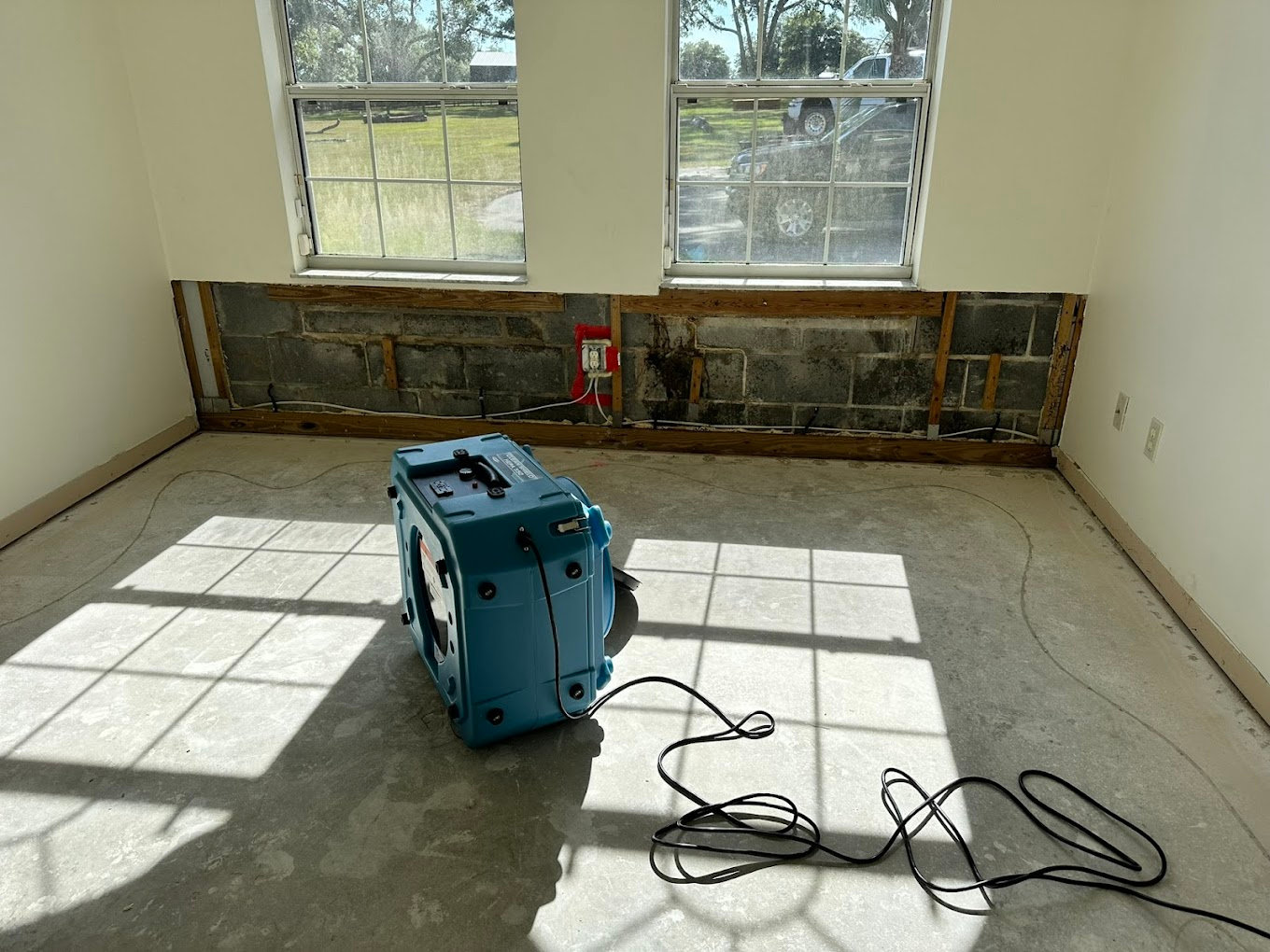
Homeowners in Cocoa Beach face a unique set of challenges when it comes to maintaining healthy, dry homes. Coastal conditions—including high humidity, salt-laden air, and frequent storms—make residences particularly vulnerable to mold growth. Left unchecked, mold can compromise structural integrity, degrade indoor air quality, and cause health issues for residents.
Mold remediation is a critical process that addresses contamination safely and effectively. This guide provides Cocoa Beach homeowners with practical insights on identifying mold, understanding its causes, and navigating professional remediation processes tailored to coastal homes.
Understanding Mold and Its Risks
Mold is a type of fungus that reproduces through microscopic spores present in the air both indoors and outdoors. Mold spores only require moisture, warmth, and an organic surface to grow. Coastal homes are especially susceptible because:
- High humidity levels (often above 60%) create a persistent damp environment.
- Storms and heavy rains increase the likelihood of water intrusion.
- AC units and ductwork can accumulate condensation, contributing to hidden moisture.
Unchecked mold growth can affect drywall, insulation, wooden framing, flooring, and even HVAC systems. Over time, this compromises both the home’s structural integrity and the air quality within living spaces.
Common Causes of Mold in Coastal Homes
1. AC Condensation
Air conditioning systems generate moisture, especially in tropical climates. Drip pans, coils, and ducts that are poorly maintained or obstructed can harbor standing water, which promotes mold growth.
2. Plumbing Leaks
Faulty pipes, water heaters, and appliances like dishwashers or washing machines can leak into walls, floors, and cabinets, creating hidden pockets of moisture.
3. Roof and Window Leaks
Salt-laden air and storms can degrade seals, shingles, and flashing over time, allowing water to seep into attics and walls.
4. Poor Ventilation
Attics, crawlspaces, and bathrooms without adequate ventilation trap humidity, creating conditions conducive to mold colonization.
5. Flooding
Even minor flooding from storms or high tides can infiltrate basements, crawlspaces, and slab foundations, leaving behind moisture that encourages microbial growth.
Early Signs Homeowners Should Watch For
Identifying mold early can prevent extensive damage. Common indicators include:
- Musty Odors – A damp, earthy smell is often the first clue of hidden mold.
- Visible Growth – Black, green, or white patches on walls, ceilings, or around windows.
- Discoloration and Stains – Yellow, brown, or dark spots on drywall or flooring.
- Warping or Bubbling Surfaces – Moisture causes wood, drywall, or paint to swell.
- Health Symptoms – Sneezing, coughing, eye irritation, or asthma flare-ups may indicate airborne spores.
Monitoring for these signs is critical, especially after storms, plumbing issues, or AC problems.
The Mold Remediation Process
Professional mold remediation ensures safe removal and prevents recurrence. The process typically includes several structured steps:
Step 1: Inspection and Assessment
Certified specialists conduct a thorough assessment to identify:
- Visible mold colonies and moisture damage
- Hidden mold in attics, crawlspaces, or HVAC systems
- Underlying sources of moisture
- The extent of structural or material damage
Moisture meters, thermal imaging, and air sampling may be used to detect hidden contamination.
Step 2: Containment
To prevent spores from spreading:
- Affected areas are sealed with plastic sheeting
- Negative air machines create airflow away from clean spaces
- Homeowners are advised to avoid contaminated zones during remediation
Containment ensures that mold spores do not disperse into other parts of the home.
Step 3: Removal of Contaminated Materials
Porous materials heavily affected by mold, such as drywall, insulation, or carpet padding, are removed and disposed of safely. Non-porous surfaces are treated with antimicrobial solutions.
Step 4: Cleaning and Disinfection
- Scrubbing surfaces with HEPA vacuums and approved disinfectants
- Cleaning HVAC components and ductwork to prevent spores from circulating
- Sanitizing structural elements to eliminate remaining microbial threats
Proper cleaning ensures mold is removed, not just hidden or disturbed.
Step 5: Drying and Dehumidification
- Industrial air movers and dehumidifiers reduce residual moisture
- Moisture levels are monitored until all surfaces are thoroughly dry
- Proper drying prevents new mold colonies from forming
In coastal homes, this step is especially important due to persistent humidity.
Step 6: Restoration
Rebuilding and repairing affected areas includes:
- Replacing drywall, insulation, and flooring
- Repairing or restoring cabinetry, trim, and ceilings
- Restoring HVAC functionality and airflow
- Ensuring that ventilation systems prevent future moisture accumulation
This step returns the home to safe, livable conditions.
Step 7: Post-Remediation Verification
Final inspections and testing confirm:
- Mold spores are at safe, background levels
- Moisture levels are within safe limits
- Indoor air quality is restored
Clearance verification gives homeowners peace of mind that remediation was successful.
Preventing Mold in Cocoa Beach Homes
Long-term prevention is critical in coastal environments:
- Routine Plumbing and AC Maintenance – Check for leaks, clean coils, and ensure proper drainage.
- Humidity Control – Use dehumidifiers and maintain relative humidity below 50%.
- Proper Ventilation – Ensure attics, crawlspaces, and bathrooms have adequate airflow.
- Storm Preparedness – Inspect roofs, gutters, and window seals before hurricane season.
- Moisture-Resistant Materials – Use mold-resistant drywall, insulation, and paints where feasible.
- Early Detection Tools – Moisture meters, sensors, or smart home leak detectors alert homeowners before damage escalates.
Preventive strategies are the most cost-effective way to avoid extensive mold remediation in coastal homes.
Costs of Mold Remediation
Costs vary depending on the extent of contamination and materials involved:
- Minor Mold Cleanup (Single Room, Small Area) – $500–$1,500
- Moderate Remediation (Multiple Rooms, HVAC Cleaning) – $1,500–$5,000
- Extensive Remediation (Structural Involvement, Ductwork, Multiple Floors) – $5,000–$15,000+
Early intervention reduces costs by limiting the scope of remediation and minimizing structural damage.
Health Considerations
Mold exposure in coastal homes can lead to:
- Allergic reactions and asthma flare-ups
- Respiratory irritation or infections
- Eye and skin irritation
- Fatigue or headaches
Professional remediation not only removes mold but also restores safe indoor air quality, reducing health risks for family members.
Local Expertise Matters
Cocoa Beach homeowners benefit from mold specialists who understand:
- Coastal humidity and storm impact
- Common construction methods and materials in Florida homes
- AC, HVAC, and ductwork designs typical to the region
- Effective strategies for mold prevention and long-term moisture management
Local experience ensures remediation is tailored to the unique environmental and structural conditions of Cocoa Beach homes.
Conclusion
Mold is a persistent problem for Cocoa Beach coastal homes due to humidity, storms, and moisture from AC systems or plumbing leaks. Early detection, professional remediation, and preventive strategies are essential to protect health, preserve structural integrity, and maintain indoor air quality.
The mold remediation process includes inspection, containment, removal of contaminated materials, cleaning and disinfection, drying, restoration, and post-remediation verification. Homeowners who act promptly and invest in preventive measures—such as humidity control, proper ventilation, and routine maintenance—can enjoy a safe, healthy, and mold-free home year-round.