Mold Inspection Services in West Melbourne in Rental Properties: What Homeowners Should Know
Managing rental properties in West Melbourne comes with unique responsibilities, and one of the most critical is ensuring the home environment is free from mold. Humid climates, plumbing leaks, and limited ventilation can contribute to hidden mold growth, posing risks to tenants’ health, property value, and compliance with local regulations.
Professional mold inspection services are an essential tool for homeowners and property managers. They help identify potential hazards, guide remediation, and prevent long-term damage. This guide outlines what homeowners should know about mold inspections in rental properties, including early warning signs, inspection techniques, and preventive strategies.
Why Mold Inspections Are Important in Rental Properties
- Tenant Health Protection
- Mold can trigger allergies, asthma, respiratory irritation, and other health problems.
- Prevent Property Damage
- Undetected mold can compromise drywall, insulation, flooring, and HVAC systems.
- Reduce Liability
- Proactively identifying mold protects property owners from tenant complaints and legal claims.
- Preserve Property Value
- Mold remediation and inspection help maintain structural integrity and home resale value.
- Compliance with Regulations
- Some local laws require landlords to maintain safe, habitable rental units, including mold-free conditions.
Common Causes of Mold in Rental Properties
- Plumbing Leaks – Dripping faucets, leaky pipes, or toilets.
- HVAC Issues – Condensation in AC units, drip pans, or ducts.
- Flooding – Rainwater, roof leaks, or storm-related intrusion.
- High Humidity – Poor ventilation or lack of dehumidification in humid climates.
- Poor Drainage – Water accumulation around foundations or crawlspaces.
Early Signs Tenants or Owners Should Watch For
- Musty or Damp Smell – Often the first indicator of hidden mold.
- Visible Spots – Black, green, or white mold patches on walls, ceilings, or carpets.
- Water Stains or Discoloration – Yellow, brown, or dark stains on walls and ceilings.
- Warped or Bubbling Surfaces – Flooring or walls may deform due to moisture.
- Allergy Symptoms – Tenants may report sneezing, coughing, or irritated eyes.
- Condensation – Frequent moisture on windows, walls, or pipes.
Mold Inspection Process for Rental Properties
Step 1: Initial Assessment
- Inspect all areas, including basements, attics, bathrooms, kitchens, and HVAC systems.
- Identify visible signs of mold, water damage, or moisture accumulation.
Step 2: Moisture Measurement
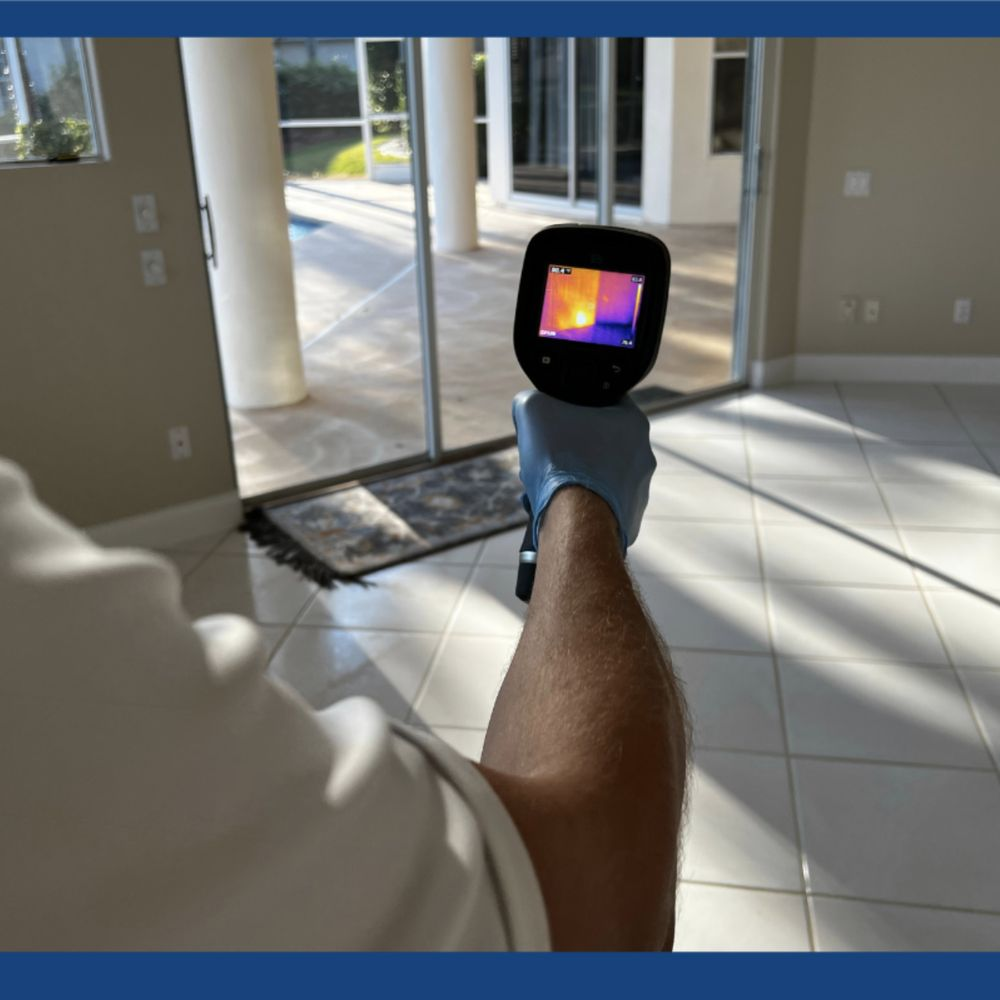
- Use moisture meters to detect hidden wet areas behind walls or under flooring.
- Measure relative humidity to identify conditions favorable to mold growth.
Step 3: Air Sampling
- Collect air samples to detect airborne mold spores.
- Helps identify hidden mold that may not be visible on surfaces.
Step 4: Surface Sampling
- Swab walls, ceilings, HVAC components, and other surfaces for mold testing.
- Laboratory analysis confirms the type and concentration of mold present.
Step 5: Report and Recommendations
- Professional inspectors provide a detailed report outlining mold presence, severity, and locations.
- Recommendations include remediation methods, preventive measures, and follow-up inspections.
Preventive Measures for Homeowners and Property Managers
- Regular Inspections
- Schedule routine mold inspections, especially after storms or plumbing issues.
- Maintain Plumbing and Roofing
- Repair leaks promptly to prevent moisture accumulation.
- Control Indoor Humidity
- Keep humidity levels below 60% using dehumidifiers or improved ventilation.
- Ensure Proper HVAC Maintenance
- Clean air ducts, coils, and drip pans regularly to prevent mold growth.
- Educate Tenants
- Encourage tenants to report leaks, water damage, or mold sightings immediately.
- Seal Vulnerable Areas
- Caulk windows, doors, and other potential entry points for water.
- Use Mold-Resistant Materials
- Consider mold-resistant drywall, insulation, and paints in high-risk areas.
Benefits of Mold Inspections in Rental Properties
- Healthier Living Environment
- Reduces tenant exposure to allergens and mold spores.
- Early Problem Detection
- Catching mold early prevents extensive damage and costly remediation.
- Property Protection
- Maintains structural integrity and avoids long-term deterioration.
- Legal Compliance
- Demonstrates proactive management and adherence to landlord responsibilities.
- Peace of Mind
- Ensures tenants have a safe and habitable home while protecting the owner’s investment.
Conclusion
Mold is a common but serious concern in rental properties in West Melbourne, particularly in humid climates or older homes. Early detection through professional mold inspection services allows homeowners to protect tenants, prevent property damage, and maintain safe living conditions.
By monitoring early warning signs, conducting regular inspections, and implementing preventive strategies like humidity control, HVAC maintenance, and prompt leak repair, property owners can effectively manage mold risks, safeguard their investment, and provide a healthy environment for tenants.