Mold Inspection Services in Palm Bay After Water Damage: Professional Tips for Property Owners
Water damage in homes and commercial properties can be deceptively harmful, especially in Palm Bay. Even after water appears to have been removed, residual moisture in walls, flooring, and HVAC systems can lead to mold growth, compromising indoor air quality, structural integrity, and occupant health. For property owners, understanding mold inspection services is crucial for effective prevention, remediation, and long-term property maintenance.
Building on lessons from Melbourne mold inspection in humid summers, this guide provides a comprehensive overview of mold inspection in Palm Bay after water damage. It details the causes of mold growth, warning signs, inspection processes, remediation strategies, preventive measures, and cost considerations, tailored specifically to Palm Bay’s humid, storm-prone climate.
Understanding Mold Growth After Water Damage
Mold spores are naturally present in indoor and outdoor environments, but water intrusion provides the moisture they need to colonize surfaces. In Palm Bay, common sources of water damage include:
- Storm flooding during seasonal heavy rains
- Roof leaks or damaged flashing
- Plumbing leaks in bathrooms, kitchens, or utility areas
- AC condensation or clogged drain lines
- Poorly ventilated crawl spaces and attics
When water remains trapped, even for a few days, mold can begin to grow. It may colonize drywall, insulation, wooden beams, and carpeting, often hidden from plain sight. Mold not only damages building materials but also spreads spores throughout the home via air ducts and HVAC systems, reducing indoor air quality.
Common Causes of Mold After Water Damage
Property owners should understand what triggers mold growth after water events:
- Hidden leaks: Slow leaks behind walls or under flooring may go unnoticed for weeks.
- Standing water: Flooding or pooled water on flooring or in basements/garages provides an ideal breeding ground.
- AC and duct issues: Moisture from air conditioning units or poorly maintained ductwork spreads mold spores throughout a property.
- High humidity: Florida’s warm, humid climate exacerbates mold proliferation, especially in enclosed or poorly ventilated spaces.
- Delayed drying: Insufficient water removal or incomplete drying after water intrusion leads to persistent moisture.
Recognizing these causes is essential for taking proactive steps to prevent mold from taking hold.
Early Warning Signs of Mold
Homeowners and property managers should watch for:
- Musty or damp odors in rooms, closets, or HVAC vents
- Discoloration, stains, or peeling paint on walls and ceilings
- Warped, buckled, or soft flooring
- Visible mold growth along baseboards, behind appliances, or near plumbing fixtures
- Respiratory irritation, coughing, or allergy flare-ups among residents
- Condensation on windows, pipes, or AC units
Early identification reduces the extent of remediation required and protects both health and property value.
Step 1: Professional Mold Inspection
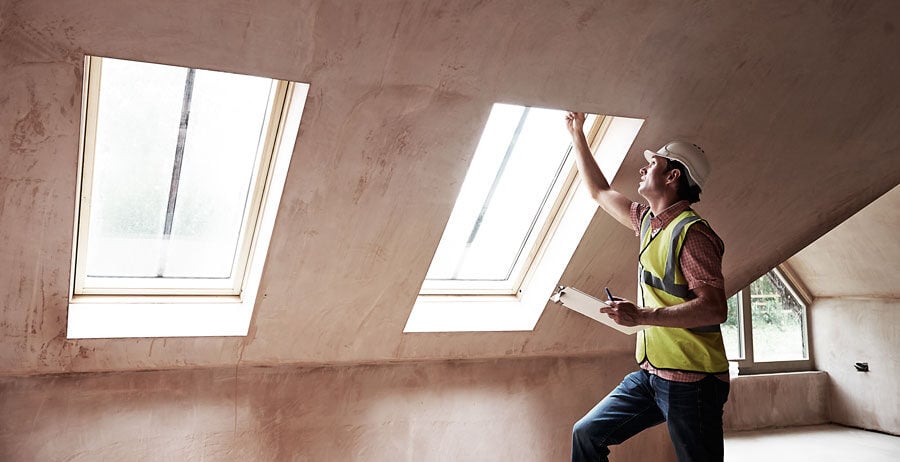
Professional mold inspection ensures accurate detection and assessment, particularly in hidden or hard-to-reach areas.
Visual Assessment
Inspectors examine ceilings, walls, floors, crawl spaces, attics, and HVAC systems for visible mold and water damage.
Moisture Detection
Moisture meters, infrared cameras, and hygrometers identify hidden water pockets in walls, subflooring, and ductwork.
Air Quality Testing
Air samples determine the concentration and type of mold spores and allergens circulating in the home.
Surface Sampling
Swabs or tape lifts may be collected from suspected mold surfaces for laboratory analysis, helping to identify species and guide remediation.
Documentation
Comprehensive reports outline affected areas, moisture levels, recommended remediation strategies, and preventive measures—vital for insurance claims and long-term property maintenance.
Step 2: Containment and Safety Measures
To prevent mold spread during inspection and remediation:
- Affected areas are sealed with plastic sheeting
- HVAC systems are turned off to avoid circulating spores
- Technicians use gloves, masks, and protective clothing
- Furniture and personal items are moved or protected
Proper containment minimizes cross-contamination and protects both occupants and professionals.
Step 3: Mold Remediation
Remediation addresses both visible and hidden mold:
Removal of Contaminated Materials
- Porous materials like drywall, insulation, and carpeting may need removal
- Structural wood components are cleaned, treated, and preserved if possible
Surface Cleaning
- EPA-approved antimicrobial solutions sanitize walls, floors, and ceilings
- HVAC components and ductwork are cleaned to remove residual spores
Drying and Dehumidification
- Industrial air movers and dehumidifiers remove residual moisture
- Continuous monitoring ensures all areas are thoroughly dry before restoration
Professional remediation restores indoor air quality and reduces the risk of mold recurrence.
Hidden Areas Often Overlooked
Mold frequently develops in concealed spaces:
- Attics and roof cavities
- Crawl spaces and subflooring
- Behind cabinets, baseboards, or appliances
- HVAC ductwork and air handling units
Advanced tools like infrared cameras and moisture meters are essential for detecting mold in these hidden areas.
Health Implications of Mold
Unaddressed mold can negatively impact residents’ health:
- Allergic reactions such as sneezing, coughing, or eye irritation
- Asthma flare-ups or respiratory distress
- Musty odors reducing comfort and indoor air quality
- Long-term exposure increasing susceptibility to respiratory infections
Professional inspection and remediation protect both the property and its occupants.
Costs of Mold Inspection and Remediation
Costs vary based on the severity of water damage, mold growth, and property size:
- Basic inspection: $300–$600
- Minor remediation: $1,000–$3,000
- Extensive remediation with structural repairs: $5,000+
Timely intervention reduces expenses and prevents more serious structural damage.
Preventive Measures for Property Owners
To reduce mold risks after water damage:
- Inspect plumbing, roof, and HVAC systems regularly
- Maintain proper ventilation in attics, crawl spaces, and bathrooms
- Use dehumidifiers to reduce indoor humidity
- Clean HVAC ducts and replace filters regularly
- Address water damage promptly, removing moisture and repairing affected areas
- Monitor for signs of recurring leaks or condensation
Proactive measures protect both indoor air quality and long-term structural integrity.
Why Local Expertise Matters
Palm Bay’s humid climate, frequent storms, and older home construction require local expertise:
- Professionals understand typical moisture patterns and structural vulnerabilities in Palm Bay homes
- Technicians detect hidden mold and water intrusion efficiently
- Preventive strategies are tailored to local environmental conditions
- Timely, professional intervention ensures lasting results and minimizes property damage
Local companies like Palm Bay Mold Removal combine specialized tools and local knowledge to protect homes effectively.
Practical Steps for Property Owners
- Inspect property for water damage, leaks, or high humidity areas.
- Schedule professional mold inspection if moisture is detected.
- Contain affected areas during remediation to prevent spore spread.
- Remove or clean contaminated materials and HVAC components.
- Dry all affected areas thoroughly using industrial dehumidifiers and air movers.
- Repair structural damage and restore living spaces.
- Implement preventive measures, including ventilation, leak monitoring, and regular duct cleaning.
- Monitor indoor air quality to prevent future mold issues.
Following these steps ensures a safe, healthy, and structurally sound property.
Final Thoughts
Mold inspection after water damage is essential for Palm Bay homeowners to maintain healthy indoor air quality and prevent structural damage. Professional inspection, remediation, and preventive strategies address both visible and hidden mold effectively.
Building on lessons from Melbourne mold inspection during humid summers, Palm Bay property owners can understand the importance of early detection, local expertise, and proactive maintenance. Investing in professional mold inspection ensures long-term comfort, safety, and protection for residential and commercial properties.