Mold Inspection in West Melbourne After Hurricanes: Costs, Causes, and Solutions
Hurricanes and strong tropical storms are a reality for homeowners in West Melbourne. Even when a home appears structurally sound after a storm, moisture can remain trapped in attics, wall cavities, insulation, and HVAC systems. This hidden moisture often leads to mold growth in the weeks following a hurricane, especially in Florida’s warm and humid climate.
Mold inspection after hurricanes is one of the most effective ways to identify hidden problems early. Understanding the causes of mold, what inspections involve, the typical costs, and the solutions available helps homeowners protect their property and avoid more serious damage.
Why Hurricanes Often Lead to Mold Problems
Hurricanes introduce moisture in several ways. Heavy rainfall, wind-driven rain, and temporary roof or window leaks allow water to enter areas of a home that are not designed to handle prolonged moisture.
After a storm, mold can begin developing when:
- Insulation remains damp
- Ceiling or wall cavities retain moisture
- Indoor humidity remains elevated
- HVAC systems circulate humid air
- Minor leaks go unnoticed
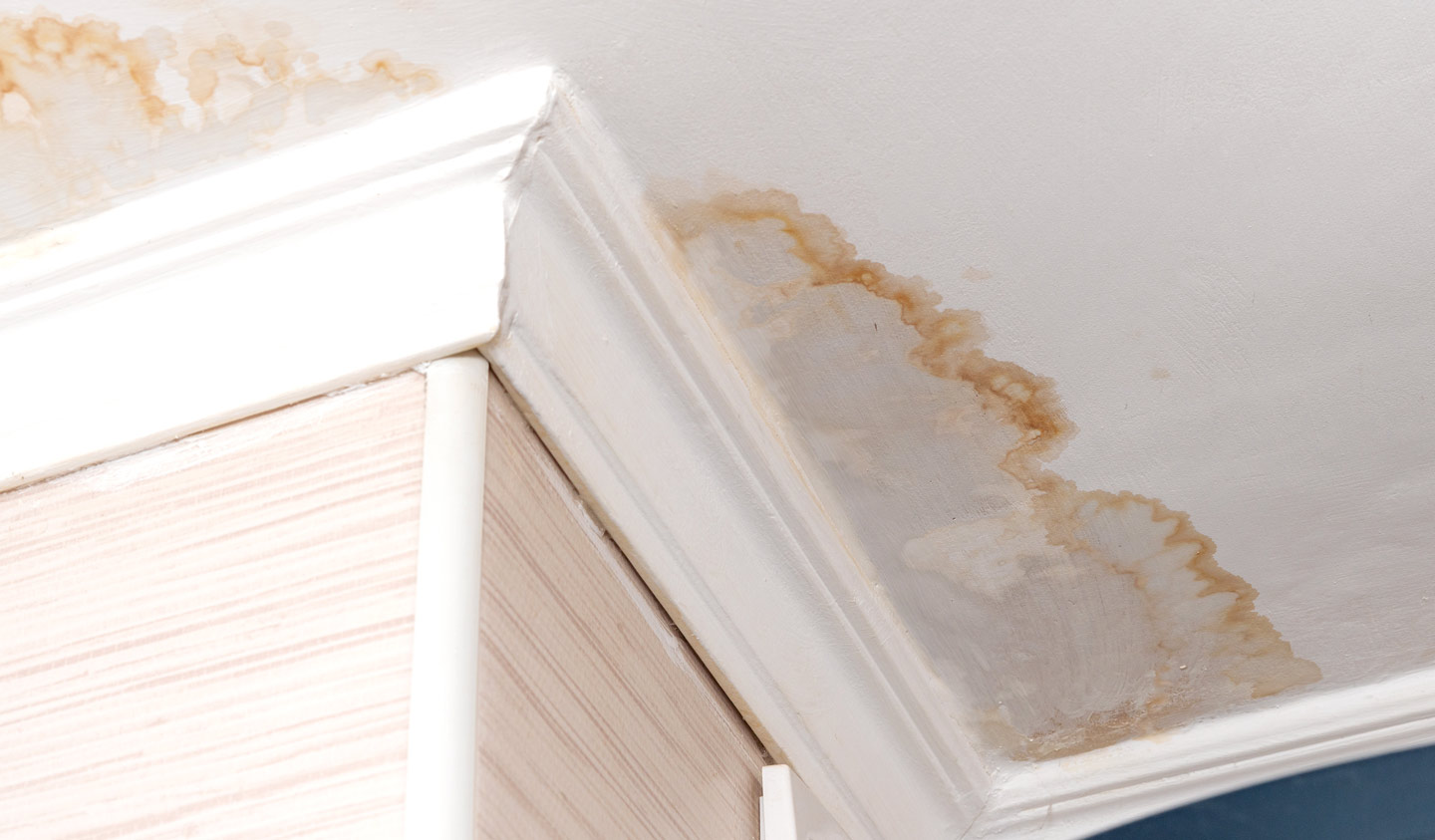
Because mold often develops in hidden areas, the problem may not be visible until odors or stains appear.
Common Causes of Mold Growth After Hurricanes
Several specific factors contribute to mold growth in West Melbourne homes after severe storms.
Roof leaks and attic moisture
Wind and heavy rain may loosen shingles or flashing, allowing water to enter attic spaces.
Poor ventilation
Attics and crawl spaces with limited airflow retain moisture longer.
Flooding or water intrusion
Even small amounts of water entering through doors, windows, or foundations can raise indoor humidity significantly.
HVAC-related condensation
Air conditioning systems often run continuously after storms, producing condensation that must drain properly.
Homes in nearby areas such as Palm Bay, Melbourne, and Satellite Beach often experience similar conditions, particularly during hurricane season.
Early Signs Mold May Be Present
Mold rarely appears overnight, but warning signs often develop within days or weeks after a hurricane.
Homeowners should watch for:
- Musty or damp odors
- Water stains on ceilings or walls
- Peeling paint or bubbling drywall
- Increased indoor humidity
- Dark spots near vents or corners
- Rooms that feel damp or stale
These symptoms often indicate hidden moisture that should be inspected promptly.
Hidden Areas Where Mold Commonly Develops
Some of the most serious mold problems occur in areas that are not visible during routine cleaning or maintenance.
Attics
Wet insulation and wood framing can support mold growth long before ceiling stains appear.
Behind drywall
Water may travel downward inside walls after roof leaks or wind-driven rain.
Under flooring
Moisture trapped beneath carpet or laminate may remain unnoticed for weeks.
Air ducts and HVAC systems
Humidity and condensation can allow mold to develop and circulate through airflow.
Professional inspections often reveal moisture in these areas even when surfaces appear dry.
What a Professional Mold Inspection Involves
A mold inspection focuses on locating moisture sources and identifying contamination. After hurricanes, inspections are especially thorough because damage may be widespread but hidden.
A typical inspection may include:
- Visual examination of ceilings, walls, and flooring
- Inspection of attic spaces and insulation
- Moisture readings in structural materials
- Humidity measurements throughout the home
- Inspection of HVAC systems and ductwork
In some cases, air or surface testing may be recommended to determine whether mold levels are elevated.
Technicians experienced in West Melbourne homes understand how hurricane-related moisture behaves in coastal Florida construction and can identify problems efficiently.
Understanding the Costs of Mold Inspection
The cost of a mold inspection after a hurricane can vary depending on several factors:
- Size of the home
- Number of areas affected
- Accessibility of attics or crawl spaces
- Whether testing is required
Basic inspections are typically less costly than full remediation and often prevent larger repair expenses by identifying problems early. Many homeowners find that early inspections reduce long-term restoration costs significantly.
Palm Bay Mold Removal and other regional specialists often advise scheduling inspections promptly after storms to minimize damage and expense.
Solutions When Mold Is Found
If mold is confirmed, the next step is remediation and moisture control. Effective solutions focus on removing contamination and correcting the conditions that allowed mold to develop.
Typical solutions include:
- Containing affected areas
- Removing contaminated materials when necessary
- Cleaning structural surfaces
- Drying and dehumidifying affected spaces
- Repairing leaks or ventilation issues
These steps help ensure that mold does not return after cleaning.
Water Damage Restoration and Structural Drying
Mold inspections often reveal underlying water damage that must be addressed to prevent recurring problems.
Water damage restoration may include:
- Moisture detection in walls and ceilings
- Structural drying using professional equipment
- Cleaning and sanitizing affected materials
- Monitoring humidity levels until materials are dry
Proper drying is one of the most important steps in preventing mold from returning.
HVAC Systems and Mold After Hurricanes
Air conditioning systems often play a role in mold problems after storms. Moisture entering attic spaces or ducts can affect insulation and airflow.
Common HVAC-related concerns include:
- Damp duct insulation
- Condensation buildup
- Clogged condensate drains
- Musty odors from vents
Inspecting HVAC systems after hurricanes helps maintain indoor air quality and system efficiency.
Preventing Mold After Future Storms
Homeowners in West Melbourne can reduce the risk of mold after hurricanes by taking preventive steps:
- Inspect roofs and attics after storms
- Repair leaks promptly
- Replace wet insulation or damaged materials
- Maintain HVAC systems regularly
- Use dehumidifiers when humidity is high
- Monitor indoor humidity levels
Routine inspections and maintenance often prevent small issues from becoming major repairs.
Why Local Experience Matters
Mold inspection in coastal Florida requires an understanding of local weather patterns, humidity cycles, and building materials. Homes in West Melbourne, Merritt Island, Titusville, and Rockledge often face similar environmental challenges after hurricanes.
Professionals familiar with the region understand:
- How storm moisture affects attic spaces
- Where hidden moisture commonly accumulates
- Which inspection and drying methods work best in Florida homes
Palm Bay Mold Removal and other experienced local providers often tailor inspection methods to these conditions, helping homeowners achieve reliable and lasting results.
A Practical Next Step for Homeowners
If your home experienced heavy rain, roof leaks, or elevated humidity after a hurricane, scheduling a mold inspection is a practical step. Early detection helps prevent structural damage, protects indoor air quality, and reduces long-term repair costs.
With proper inspections, timely repairs, and effective drying, homeowners in West Melbourne can keep their homes safe, dry, and comfortable—even after severe storms.