
Mold Inspection in West Melbourne after Flooding: Complete Guide for Homeowners
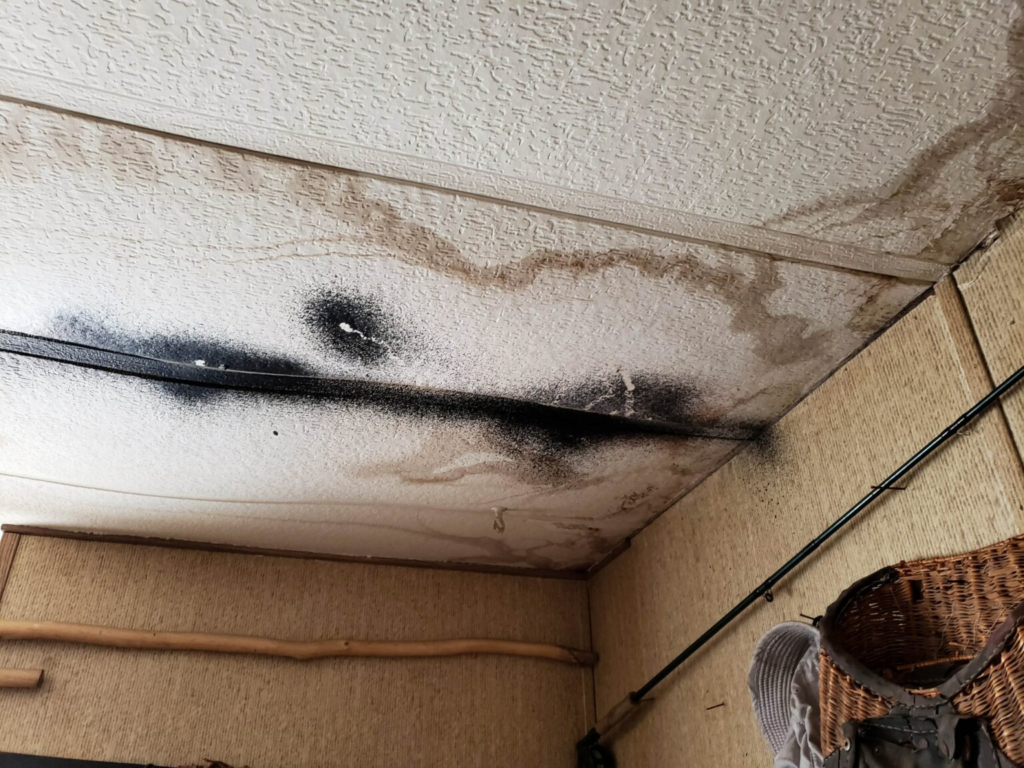
Flooding is one of the most disruptive events a homeowner in West Melbourne can face. Whether caused by intense rainstorms, hurricanes, overflowing drainage systems, or indoor plumbing failures, floodwater can enter homes quickly and cause damage that continues long after standing water is removed.
While visible water damage is often addressed right away, hidden moisture frequently remains inside walls, flooring, and ceilings. When moisture is left untreated, mold growth can begin within days, leading to air quality problems and costly structural repairs.
Understanding how mold inspections work after flooding helps homeowners protect their homes and prevent long-term damage. This guide explains why inspections matter, what professionals look for, and how homeowners can reduce future risks.
How Flooding Leads to Mold Problems
Floodwater spreads rapidly through a home and affects far more than the areas homeowners can see.
Water often soaks into:
• Drywall and insulation
• Flooring and subfloors
• Wood framing and trim
• Cabinets and closets
• Ceiling cavities
• HVAC ducts and ventilation areas
Even after visible water disappears, moisture remains trapped in materials. Florida’s humid climate slows natural drying, creating ideal conditions for mold growth.
Mold only needs moisture, warmth, and organic material to grow—conditions commonly found in homes after flooding.
Why Flood Damage Is Common in West Melbourne
Homes across West Melbourne and nearby communities such as Palm Bay, Melbourne, Rockledge, and Satellite Beach experience seasonal flooding risks.
Contributing factors include:
• Heavy summer thunderstorms
• Hurricane rainfall and storm surge
• Overflowing drainage systems
• Yard grading issues around foundations
• Roof leaks during storms
• Plumbing failures or appliance leaks
Some neighborhoods experience temporary flooding during intense rain events even if they have not flooded in the past.
Because storms can overwhelm drainage systems quickly, water intrusion often catches homeowners off guard.
Early Warning Signs Mold May Be Developing
After flood cleanup, many homeowners assume the problem is resolved. However, mold often begins growing out of sight before visible damage appears.
Warning signs homeowners should watch for include:
• Musty odors appearing days after cleanup
• Bubbling or peeling paint
• Wall or ceiling discoloration
• Warped or soft flooring
• Persistent humidity indoors
• Mold spots near vents or corners
• Increased allergy irritation indoors
These signs suggest moisture remains somewhere inside the home.
Ignoring early warning signs allows mold contamination to spread.
Hidden Areas Mold Commonly Grows After Flooding
Floodwater often spreads into areas homeowners rarely inspect, allowing mold growth to begin unnoticed.
Common hidden mold locations include:
• Wall cavities behind drywall
• Beneath flooring materials
• Attic insulation after roof leaks
• Crawl spaces beneath homes
• Inside cabinets and closets
• HVAC ducts and air handlers
Because these spaces are concealed, mold may grow for weeks before discovery.
Professional inspections help uncover contamination early.
Why DIY Mold Checks Often Miss Problems
Homeowners sometimes try to check for mold themselves after flooding, but mold frequently grows beyond visible surfaces.
DIY inspections usually miss:
• Mold behind drywall
• Wet insulation inside walls
• Moisture trapped beneath flooring
• Hidden contamination inside ducts
Cleaning visible areas or painting over stains does not eliminate mold growth inside structures.
Professional mold inspections use specialized equipment to locate hidden contamination accurately.
How Professional Mold Inspection Works
Mold inspection services focus on identifying both contamination and moisture sources allowing mold to grow.
Professional inspections typically include:
• Visual examination of affected areas
• Moisture meter readings behind walls and floors
• Infrared thermal imaging scans
• Indoor humidity measurements
• HVAC and attic inspections
Technicians determine how far moisture has spread and whether mold remediation is necessary.
Local professionals familiar with West Melbourne homes, including Palm Bay Mold Removal, understand how floodwater spreads through Brevard County homes and where mold commonly develops.
Accurate inspections prevent unnecessary demolition while ensuring hidden contamination is addressed.
What Happens If Mold Is Found
If mold is discovered during inspection, remediation focuses on removing contamination and correcting moisture issues.
Proper remediation often includes:
• Containing affected areas to prevent spread
• Removing contaminated materials when necessary
• Cleaning and sanitizing structural surfaces
• HEPA air filtration
• Structural drying procedures
• Repairing moisture sources
Removing mold without correcting moisture problems usually leads to recurrence.
Professional remediation ensures safe cleanup.
Flood Restoration and Structural Repairs
Flooding can weaken structural materials, making repairs necessary after inspection.
Restoration may include:
• Removing soaked drywall and insulation
• Replacing damaged flooring
• Repairing ceilings or walls
• Sanitizing contaminated surfaces
• Structural drying and monitoring
Proper restoration ensures hidden moisture does not continue damaging the home.
Homes dry faster and recover better when restoration begins quickly.
HVAC Systems and Mold After Flooding
Flooding and storm-related leaks often impact HVAC systems located in attics or ceiling spaces.
Moisture may affect:
• Duct insulation
• Air handler components
• Ceiling cavities around vents
• Drainage systems
If ducts remain damp, mold spores can circulate throughout the home.
HVAC inspections help ensure contaminated air is not spread indoors.
Preventing Mold After Flooding
Homeowners can reduce future mold risks by taking preventive steps after restoration.
Helpful prevention strategies include:
• Inspecting homes after storms for leaks
• Servicing HVAC systems regularly
• Maintaining gutters and drainage systems
• Improving yard grading around foundations
• Monitoring indoor humidity levels
• Addressing leaks immediately
Routine inspections often catch small issues before they escalate.
Prevention helps avoid expensive remediation later.
Why Local Experience Matters in West Melbourne
Homes throughout West Melbourne and surrounding Brevard County communities share similar construction designs and environmental challenges.
Local professionals understand:
• Flood patterns in local neighborhoods
• Coastal humidity impacts
• Construction materials used in local homes
• Moisture behavior after storms
Experience with regional housing conditions allows faster detection and practical solutions tailored to local needs.
Local knowledge ensures repairs address root causes rather than temporary symptoms.
Acting Quickly Protects Homes and Comfort
Flooding is stressful, but quick action reduces long-term damage. Professional mold inspections help uncover hidden moisture before mold spreads and structural problems worsen.
If your home smells musty, shows stains, or feels unusually humid after flooding, an inspection can reveal hidden issues before repairs become costly.
Trusted local professionals such as Palm Bay Mold Removal help homeowners understand moisture risks and guide restoration steps that protect homes long after storms pass.
Acting early helps West Melbourne homeowners keep their homes safer, healthier, and structurally sound after flood events.