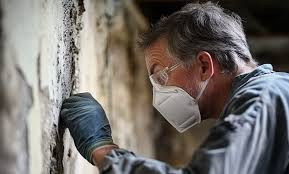
Mold Inspection in Titusville in Residential Homes: What Homeowners Should Know
Mold is a serious concern for residential homes in Titusville, Florida, where high humidity, frequent rain, and occasional flooding create ideal conditions for microbial growth. Undetected mold can compromise indoor air quality, structural integrity, and occupant health. Conducting a thorough mold inspection is a critical first step for homeowners who want to protect their property and family.
This guide explains the importance of mold inspections, warning signs, inspection procedures, and preventive strategies for Titusville homeowners.
Why Mold Inspection Is Important
- Health Protection
- Mold exposure can cause allergies, asthma, respiratory infections, and other health issues, especially in children, seniors, and immunocompromised individuals.
- Early Detection
- Catching mold early prevents widespread contamination and reduces costly remediation efforts.
- Structural Safety
- Mold deteriorates drywall, insulation, and wooden beams, potentially compromising home stability.
- Insurance Compliance
- Documented mold inspections may support insurance claims after water damage.
- Peace of Mind
- Knowing the property is free from mold ensures safe and healthy indoor air quality.
Common Causes of Mold in Titusville Homes
- Humidity and Coastal Climate
- High moisture levels in the air provide ideal conditions for mold growth.
- Water Leaks
- Burst pipes, leaking roofs, or faulty appliances introduce moisture into walls, ceilings, and floors.
- Flooding
- Heavy rains or storm surges saturate building materials, promoting microbial growth.
- Poor Ventilation
- Inadequate airflow in bathrooms, kitchens, attics, or crawlspaces traps moisture.
- Condensation
- On windows, walls, or HVAC systems can feed hidden mold colonies.
Early Warning Signs of Mold
- Musty Odors
- Persistent earthy or mildew smells indicate hidden mold growth.
- Visible Mold
- Black, green, or white spots on walls, ceilings, carpets, or around windows.
- Water Stains
- Discoloration, yellowing, or bubbling paint often points to moisture behind surfaces.
- Warped Materials
- Soft wood, curling flooring, or peeling wallpaper suggest water damage and potential mold.
- Health Symptoms
- Frequent sneezing, coughing, eye irritation, or asthma flare-ups indoors.
- Condensation or Dampness
- Excess moisture on windows, walls, or floors can indicate underlying mold issues.
Mold Inspection Process in Residential Homes
Step 1: Initial Assessment
- Professionals evaluate visible and potential problem areas such as bathrooms, basements, kitchens, attics, and HVAC systems.
- Homeowner input about leaks, past water damage, or health symptoms is documented.
Step 2: Moisture Detection
- Use moisture meters, infrared cameras, or hygrometers to locate hidden damp areas behind walls and under flooring.
Step 3: Air Quality Testing
- Collect air and surface samples to detect mold spores and assess contamination levels.
Step 4: Identification
- Determine the type of mold (e.g., black mold, Cladosporium, Penicillium) and its severity.
Step 5: Report and Recommendations
- Inspectors provide a detailed report with findings, affected areas, and recommended remediation actions if mold is present.
Preventive Measures for Homeowners
- Control Indoor Humidity
- Use dehumidifiers and air conditioners to keep humidity below 60%.
- Prompt Leak Repair
- Fix plumbing, roof, or appliance leaks immediately.
- Ensure Adequate Ventilation
- Use exhaust fans in bathrooms and kitchens; ventilate attics and crawlspaces.
- Monitor High-Risk Areas
- Check basements, bathrooms, and around windows for moisture accumulation.
- Regular HVAC Maintenance
- Clean coils, condensate lines, and ducts to prevent mold in the ventilation system.
- Waterproof Vulnerable Surfaces
- Seal basements, crawlspaces, and foundations to prevent intrusion during storms.
- Schedule Periodic Mold Inspections
- Even without visible signs, routine inspections help detect mold early.
Benefits of Professional Mold Inspections
- Accurate Detection
- Identifies hidden mold that is often missed during casual observation.
- Health Protection
- Reduces exposure to harmful spores and improves indoor air quality.
- Cost Savings
- Early detection avoids extensive remediation and structural damage.
- Insurance Documentation
- Provides a professional report for claims after water damage events.
- Peace of Mind
- Confirms that your home is safe, healthy, and free from hidden mold threats.
Conclusion
Mold is a common and serious problem in Titusville residential homes, particularly due to the area’s humid climate and storm-prone conditions. Homeowners should watch for warning signs like musty odors, visible mold, water stains, and warped surfaces.
Professional mold inspections involve moisture detection, air and surface sampling, and reporting to ensure hidden contamination is identified early. Combined with preventive measures—humidity control, leak repair, ventilation improvements, and periodic inspections—homeowners can maintain a safe, healthy, and mold-free environment, safeguarding both their property and their family’s well-being.