Mold Inspection in Titusville After Hurricanes: Warning Signs and Prevention
Homes in Titusville are built to handle Florida’s coastal climate, but hurricanes still bring serious challenges. Heavy rain, wind-driven moisture, and prolonged humidity can leave homes damp long after the storm passes. Even when visible damage seems minor, hidden moisture can remain trapped in walls, flooring, insulation, and duct systems. This is why mold inspection after hurricanes is one of the most important steps homeowners can take to protect their property.
Mold problems often begin quietly. By the time mold becomes visible, it may already be spreading behind surfaces. Understanding the warning signs, causes, and prevention strategies helps homeowners act early and avoid major repairs.
What Mold Problems After Hurricanes Really Involve
Mold is a natural organism that thrives in damp, warm environments. After a hurricane, homes often provide ideal conditions for mold growth because building materials absorb water and humidity levels remain high for days or weeks.
Mold may grow on:
- Drywall and ceilings
- Wood framing and subfloors
- Carpet and padding
- Insulation in walls or attics
- Air ducts and HVAC components
The key issue is not just visible mold. Hidden moisture behind walls or under flooring is often the real cause of recurring mold problems.
Why This Happens So Often in Titusville
Several local factors make mold growth more likely after storms in Titusville and nearby communities like Merritt Island, Viera, and Melbourne.
High humidity: Coastal air already contains significant moisture, and storms increase it further.
Heavy seasonal rains: Hurricanes and tropical systems bring prolonged rainfall that saturates structures.
Roof and flashing damage: Even small leaks can allow moisture to enter attic spaces.
Power outages: Without air conditioning, indoor humidity rises quickly.
Poor ventilation in older homes: Limited airflow slows drying and allows moisture to linger.
These conditions mean that mold inspections are not just precautionary—they are often necessary after major storms.
Common Signs Homeowners Notice
Homeowners often notice early clues that moisture or mold may be present.
Persistent musty odors
A damp or earthy smell is often the first warning sign of mold growth, especially in closets, attics, or near HVAC vents.
Water stains or discoloration
Brown or yellow stains on ceilings or walls indicate previous water intrusion.
Peeling paint or bubbling drywall
Moisture trapped behind walls can cause finishes to deteriorate.
Warped flooring or soft spots
Wood and laminate flooring may swell or buckle when exposed to moisture.
Condensation on vents or windows
Excess indoor humidity can signal ventilation or moisture problems.
These signs should prompt a professional inspection before mold spreads further.
Hidden or Overlooked Sources of Moisture
Not all mold problems begin with obvious flooding. Some of the most common hidden sources include:
- Damp attic insulation after roof leaks
- Moisture trapped under carpets
- Wet drywall behind cabinets or appliances
- Condensation in ductwork
- Crawl spaces with poor airflow
Because these areas are difficult to see, professional tools are often needed to confirm moisture levels.
Why DIY Mold Removal Usually Fails
Many homeowners try to clean mold with household cleaners or bleach. While this may remove surface stains temporarily, it rarely solves the underlying problem.
Common reasons DIY methods fail include:
- Moisture sources remain untreated
- Mold roots remain in porous materials
- Spores spread during improper cleaning
- Hidden mold continues growing behind walls
Professional inspection focuses not only on removing mold but also on locating and correcting the moisture source that caused it.
Professional Mold Inspection and Testing Explained
A thorough inspection follows a systematic process designed to identify both visible and hidden problems.
Visual assessment
Inspectors examine ceilings, walls, attics, and HVAC systems for signs of moisture or mold.
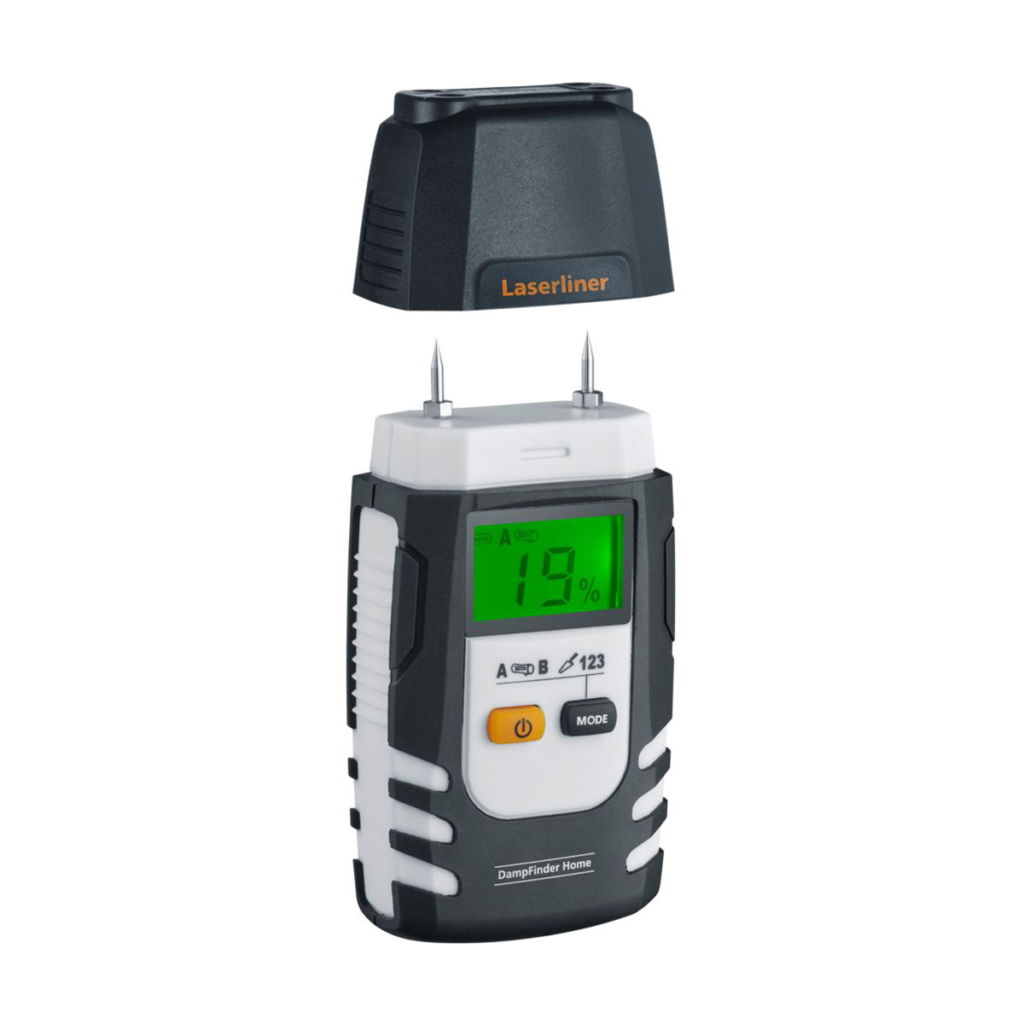
Moisture detection tools
Meters and thermal imaging cameras help locate damp areas behind surfaces.
Air and surface sampling
Testing may be used to measure mold spore levels and identify contamination.
Moisture source identification
The inspection determines whether leaks, condensation, or ventilation issues are responsible.
Professionals such as Palm Bay Mold Removal often emphasize that identifying the moisture source is the most important step in preventing mold from returning.
Proper Mold Removal and Remediation Process
When mold is confirmed, remediation may involve several steps:
- Containing affected areas to prevent spore spread
- Removing contaminated materials when necessary
- Cleaning and disinfecting surfaces
- Drying the structure thoroughly
- Verifying that moisture levels are safe
This process ensures the problem is resolved rather than temporarily masked.
Flood Restoration and Water Damage Repair
After hurricanes, some homes require full water damage restoration. This process may include:
- Water extraction
- Structural drying
- Dehumidification
- Repairs to drywall or flooring
- Carpet cleaning or replacement
Prompt restoration reduces the chance of mold developing later.
In a previous guide discussing water damage restoration, we explained how thorough drying is one of the most critical steps in preventing long-term mold problems. The same principle applies here—drying must be complete, not just surface-level.
Air Ducts, AC Systems, and Mold
HVAC systems often play a role in post-storm mold issues.
Moisture can accumulate in:
- Evaporator coils
- Drain pans
- Air ducts
- Filters
If mold develops in ducts, spores can spread throughout the home. Cleaning and inspecting HVAC components after water damage helps prevent this problem.
How to Prevent Mold in Titusville Homes
Preventing mold after hurricanes focuses on moisture control.
Dry affected areas quickly
Remove standing water and use dehumidifiers and fans immediately.
Repair leaks promptly
Roof damage, plumbing leaks, and window gaps should be fixed as soon as possible.
Maintain ventilation
Attics, bathrooms, and laundry rooms should have adequate airflow.
Monitor humidity levels
Keeping indoor humidity below about 60 percent significantly reduces mold risk.
Schedule post-storm inspections
Professional inspections detect hidden moisture before mold becomes severe.
Why Local Experience Matters
Mold behavior varies depending on climate and building styles. Homes in coastal Florida face challenges that differ from inland properties.
Local professionals understand:
- How salt air affects building materials
- Typical storm damage patterns
- Common ventilation problems in Florida homes
- The impact of prolonged humidity on duct systems and insulation
This experience helps ensure inspections and remediation address the real causes of mold, not just the symptoms.
Calm, Practical Steps for Homeowners
If your home has experienced hurricane damage, the most effective approach is to stay methodical:
- Remove water and begin drying immediately.
- Inspect visible areas for stains or odors.
- Check attics, ducts, and crawl spaces if accessible.
- Schedule a professional inspection if any warning signs appear.
- Repair moisture sources before mold has time to spread.
Taking these steps early can prevent major repairs later.
Final Thoughts
Mold inspection after hurricanes is an essential part of protecting homes in Titusville. Storms often leave behind hidden moisture that can lead to mold growth within days. By recognizing warning signs, scheduling inspections, and taking preventive measures, homeowners can safeguard both their property and indoor air quality.
Mold problems are far easier to prevent than to repair. With proper drying, timely inspections, and attention to ventilation and humidity, homes can remain safe and comfortable even after severe weather events.