Mold Inspection in Palm Bay from Poor Ventilation: Professional Tips for Property Owners
Poor ventilation is one of the most common causes of mold problems in Palm Bay homes. Many property owners assume mold only appears after flooding or major leaks, but in reality, limited airflow and trapped humidity can create conditions where mold develops quietly over time.
In Florida’s warm, humid climate, ventilation plays a critical role in keeping indoor spaces dry. When air cannot circulate properly, moisture accumulates in attics, closets, bathrooms, and HVAC systems. Mold inspections often reveal that ventilation issues—not large water events—are the root cause of contamination.
Understanding how poor ventilation leads to mold and knowing the early warning signs can help homeowners take action before problems spread.
What Mold Problems from Poor Ventilation Are
Mold thrives in damp, stagnant environments. Poor ventilation allows humidity to remain trapped indoors, especially in areas where air movement is limited. Over time, this trapped moisture settles on surfaces, creating conditions where mold spores can begin growing.
Ventilation-related mold commonly develops in:
- Bathrooms without adequate exhaust fans
- Attics with insufficient airflow
- Laundry rooms with high humidity
- Closets along exterior walls
- Air ducts and air handlers
Unlike flooding-related mold, ventilation problems often develop slowly and may go unnoticed for months.
Why This Happens So Often in Palm Bay
Palm Bay’s climate naturally increases the risk of moisture buildup indoors. Several environmental factors contribute:
High outdoor humidity keeps indoor moisture levels elevated, particularly during summer and rainy months.
Frequent afternoon storms increase indoor humidity, especially in homes with limited airflow.
Air conditioning systems running continuously cool air but may not always remove enough moisture in poorly ventilated spaces.
Modern construction practices sometimes create tightly sealed homes that trap humidity if ventilation systems are inadequate.
Nearby communities such as Melbourne, Rockledge, and Satellite Beach experience similar conditions, but Palm Bay homes with older ventilation systems are particularly vulnerable.
Common Signs Homeowners Notice
Mold caused by poor ventilation usually reveals itself through small changes in the home environment. Property owners often notice:
- Musty or stale odors in certain rooms
- Condensation on windows or vents
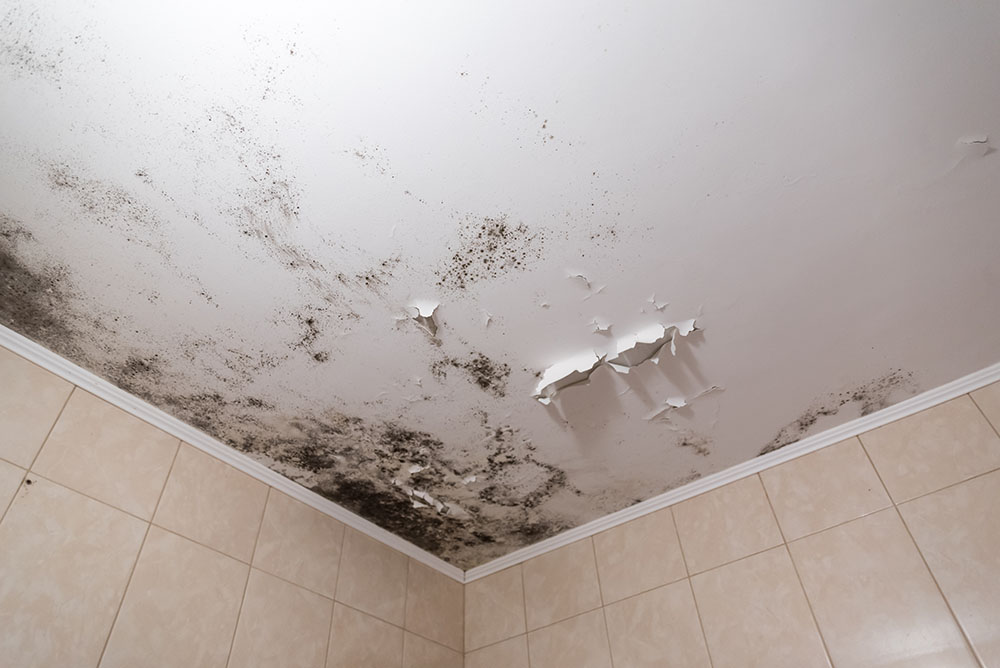
- Peeling paint or discoloration on walls
- Increased indoor humidity
- Dark spots on ceilings or around vents
These signs may appear gradually, which is why they are sometimes overlooked until the issue becomes more widespread.
Hidden or Overlooked Sources of Ventilation Problems
Many ventilation-related mold issues originate in areas that homeowners rarely inspect.
Attics
Poor attic ventilation allows heat and moisture to accumulate, creating conditions for mold on wood framing and insulation.
Bathrooms and kitchens
Exhaust fans that vent into attics instead of outdoors can introduce moisture into enclosed spaces.
Closets and storage areas
Limited airflow in enclosed spaces can trap humidity, especially along exterior walls.
Air ducts
Restricted airflow or condensation inside ducts can allow mold to develop and spread through the home.
Because these areas are hidden, mold may grow for extended periods before being discovered.
Why DIY Inspection Often Misses the Real Cause
Homeowners sometimes attempt to inspect visible areas for mold but may not have the tools or experience needed to locate hidden moisture.
DIY inspections often miss:
- Moisture behind drywall
- Damp insulation in attics
- Condensation inside ducts
- Humidity pockets in poorly ventilated areas
Professional mold inspections use moisture meters and other tools to locate hidden damp areas and determine the true cause of mold growth.
Professional Mold Inspection and Testing Explained
A thorough mold inspection focuses on identifying both visible contamination and the underlying moisture source. Technicians typically examine:
- Attics and crawl spaces
- Walls and ceilings in high-humidity areas
- HVAC systems and ductwork
- Indoor humidity levels
- Ventilation pathways and exhaust systems
In some cases, air or surface testing may be recommended to confirm contamination levels and guide remediation decisions.
Professionals experienced in Palm Bay and surrounding Brevard County communities often recognize patterns associated with ventilation-related mold, allowing them to identify problems more quickly.
Proper Mold Removal and Remediation Process
When mold is confirmed, remediation involves more than simply cleaning surfaces. Effective mold removal generally includes:
- Isolating affected areas
- Removing contaminated materials when necessary
- Cleaning and treating structural surfaces
- Drying and dehumidifying affected spaces
- Correcting ventilation or airflow problems
Addressing ventilation issues is essential; otherwise, mold may return even after cleaning.
Palm Bay Mold Removal and other local specialists often emphasize improving airflow and humidity control as part of the remediation process to ensure long-term results.
Flood Restoration and Water Damage Considerations
Although poor ventilation alone can cause mold, water intrusion events can worsen the problem. Roof leaks, plumbing issues, or heavy rains can introduce additional moisture into already humid spaces.
Flood restoration or water damage repair may involve:
- Moisture detection
- Structural drying
- Cleaning and sanitizing affected materials
- Inspecting insulation and framing
Prompt drying helps prevent mold from spreading into walls, ceilings, and HVAC systems.
Air Ducts, AC Systems, and Ventilation
Air conditioning systems play an important role in ventilation and humidity control. When ducts or air handlers accumulate moisture, they can circulate humid air throughout the home.
Common HVAC-related contributors include:
- Clogged condensate lines
- Dirty or damp ductwork
- Poor airflow due to blocked vents
- Insufficient filtration
Routine HVAC maintenance and duct inspections can significantly reduce the risk of ventilation-related mold problems.
How to Prevent Mold Caused by Poor Ventilation
Property owners in Palm Bay can reduce mold risk by improving airflow and controlling humidity.
Practical prevention tips include:
- Using exhaust fans in bathrooms and kitchens
- Keeping attic ventilation clear and functional
- Replacing air filters regularly
- Maintaining indoor humidity below 60%
- Scheduling periodic HVAC inspections
- Ensuring vents and returns are unobstructed
These steps help maintain balanced airflow and prevent moisture from accumulating indoors.
Why Local Experience Matters
Mold inspections in coastal Florida require an understanding of local weather patterns, construction methods, and humidity cycles. Homes in Palm Bay, Merritt Island, Cocoa Beach, and Titusville often share similar environmental conditions that influence ventilation and moisture control.
Professionals familiar with the area can:
- Identify common ventilation problems in Florida homes
- Recognize early warning signs specific to humid climates
- Recommend practical improvements tailored to local conditions
Palm Bay Mold Removal and other regional specialists often rely on this local experience to provide more accurate inspections and long-term solutions.
A Practical Next Step for Property Owners
If your home has persistent humidity, musty odors, or signs of condensation, scheduling a mold inspection can help identify problems early. Addressing ventilation issues before mold spreads can prevent costly repairs and improve indoor air quality.
Maintaining proper airflow and humidity control is one of the most effective ways to protect homes in Palm Bay, especially in a climate where moisture is present year-round.