
Mold Inspection in Palm Bay During Rainy Season: What Homeowners Should Know
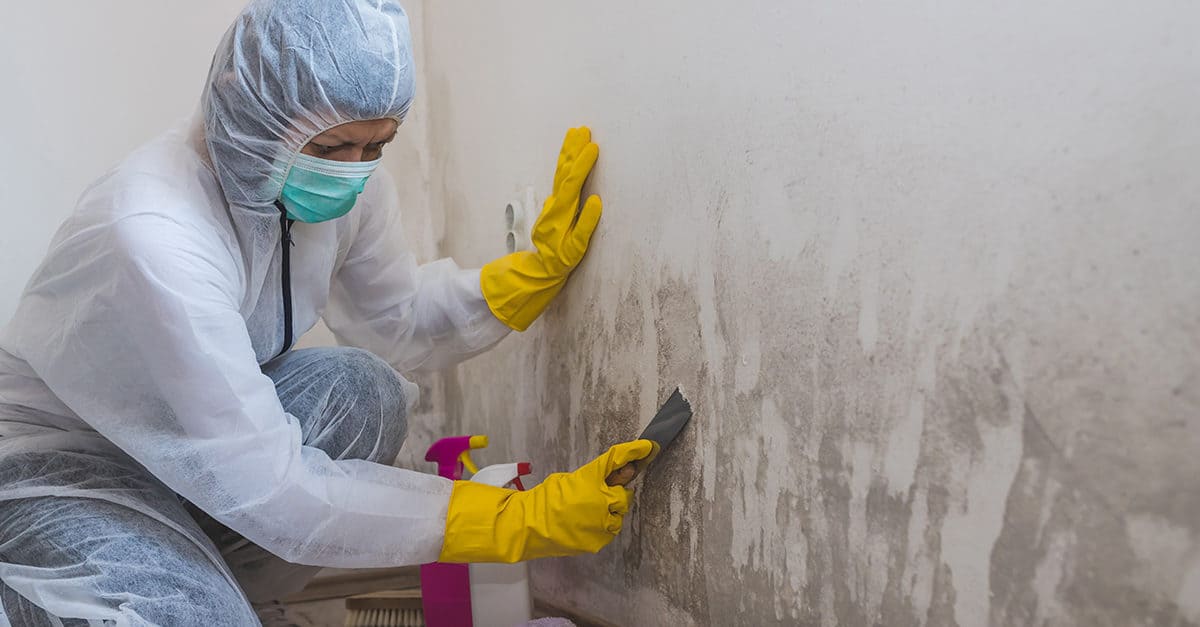
The rainy season in Palm Bay brings heavy rainfall, high humidity, and frequent storms, creating ideal conditions for mold growth in homes. Even a small leak or water intrusion can lead to hidden mold problems, compromising indoor air quality, damaging building materials, and affecting the structural integrity of a property. For homeowners, understanding the mold inspection process is essential to prevent costly repairs and maintain a safe living environment.
This guide provides a detailed overview of mold inspection in Palm Bay homes during the rainy season, covering causes, early warning signs, inspection techniques, professional testing, costs, and preventive measures.
Why Mold Becomes a Concern During the Rainy Season
Florida’s rainy season brings environmental conditions that increase the risk of mold in residential homes:
- High Humidity – Moist air promotes condensation on walls, ceilings, and floors.
- Storm-Related Water Intrusion – Heavy rains can lead to leaks in roofs, windows, and doors.
- Flooding – Low-lying areas or homes near waterways may experience minor or major flooding.
- Poor Ventilation – Limited airflow in attics, crawl spaces, and bathrooms can trap moisture.
- Aging Construction Materials – Older homes with slab foundations or worn-out roofing may be more susceptible.
Mold can develop within 24–48 hours in damp conditions, making timely inspections critical.
Common Causes of Mold in Palm Bay Homes
- Roof Leaks and Flashing Issues – Rainwater penetration can occur through missing shingles, cracked flashing, or damaged roof seals.
- Plumbing Leaks – Burst pipes, faulty valves, and leaking fixtures introduce moisture into walls, floors, and ceilings.
- AC Condensation – Air conditioning units produce condensation, which may drip into ducts or surrounding areas.
- Flood Damage – Heavy storms or hurricanes can leave water trapped in basements, crawl spaces, or low-lying areas.
- Poor Ventilation – Attics, bathrooms, and closets without airflow can retain moisture, creating ideal conditions for mold.
- Humidity Accumulation – Florida’s humid climate increases moisture absorption by wood, drywall, and insulation.
Understanding these causes helps homeowners take preventive measures and ensures inspectors can focus on high-risk areas.
Early Warning Signs Homeowners Should Watch
Recognizing early signs of mold is crucial for timely inspections and remediation:
- Musty or Earthy Odors – Persistent smells in basements, attics, or behind walls indicate hidden mold growth.
- Visible Mold Growth – Black, green, or gray spots on walls, ceilings, window frames, or around plumbing fixtures.
- Water Stains or Discoloration – Yellow, brown, or dark patches on walls, ceilings, or floors.
- Warped or Buckling Materials – Wood, flooring, or trim may swell or become distorted.
- Allergic Reactions – Sneezing, coughing, or skin irritation may result from airborne spores.
- Condensation on Surfaces – Windows, pipes, or ductwork with persistent moisture signal potential mold risk.
Even minor signs should prompt a professional inspection to prevent extensive mold proliferation.
The Mold Inspection Process
Professional mold inspections combine visual assessments with advanced testing techniques to accurately identify the presence and extent of mold.
Step 1: Visual Assessment
- Inspectors examine ceilings, walls, floors, attics, crawl spaces, and HVAC systems for visible signs of mold or water damage.
- Special attention is given to hidden areas such as behind cabinets, under sinks, or inside wall cavities.
Step 2: Moisture Detection
- Moisture meters and thermal imaging cameras identify elevated moisture levels in materials that are prone to mold growth.
- This step helps detect hidden water sources that could support microbial proliferation.
Step 3: Air Sampling
- Air tests measure the concentration of mold spores and other airborne contaminants.
- Results are compared to outdoor baseline levels to determine if indoor air quality is compromised.
Step 4: Surface Sampling
- Swabs or tape lifts are collected from visible mold or suspicious areas.
- Samples are analyzed in a laboratory to identify mold species and potential toxicity.
Step 5: Report and Recommendations
- Inspectors provide a detailed report outlining findings, high-risk areas, and remediation recommendations.
- Recommendations may include targeted cleaning, duct cleaning, water leak repairs, and preventive measures.
Benefits of Professional Mold Inspection
- Early Detection – Identifies mold before it becomes widespread and costly to remove.
- Accurate Assessment – Combines visual inspection, moisture measurement, and lab testing for precise results.
- Prevents Structural Damage – Early intervention protects wood, drywall, and insulation from decay.
- Improves Indoor Air Quality – Identifies sources of allergens and microbial contamination.
- Supports Insurance Claims – Professional documentation is valuable for property damage claims.
Costs of Mold Inspection in Palm Bay
Inspection costs vary depending on property size, complexity, and testing methods:
- Basic Visual Inspection – $200–$400 for small homes.
- Comprehensive Inspection with Testing – $400–$800, including air and surface sampling.
- Large or High-Risk Properties – $800–$1,500+ if multiple tests and extensive assessments are required.
Investing in professional inspection prevents extensive remediation costs and protects property value.
Preventive Measures for Homeowners
- Routine Roof and Gutter Maintenance – Inspect for leaks, damaged shingles, and proper drainage.
- Plumbing Checks – Regularly inspect pipes, faucets, and water heaters for leaks.
- Proper Ventilation – Ensure attics, bathrooms, and closets are ventilated and dry.
- Monitor Indoor Humidity – Maintain relative humidity below 50% using dehumidifiers or HVAC systems.
- Prompt Water Damage Response – Address leaks, spills, or flood damage immediately.
- Air Duct Cleaning – Regularly clean ducts to prevent mold spread through the HVAC system.
Proactive measures reduce the risk of mold growth, protect indoor air quality, and maintain home integrity.
Local Expertise Matters
Palm Bay homeowners benefit from mold inspectors familiar with:
- Florida’s rainy season and humid climate
- Coastal home construction and common vulnerabilities
- Advanced moisture detection and mold testing techniques
- Preventive strategies for attics, crawl spaces, and duct systems
Local expertise ensures inspections are efficient, thorough, and tailored to regional environmental conditions.
Conclusion
Mold inspection during Palm Bay’s rainy season is critical for identifying hidden moisture, preventing structural damage, and maintaining healthy indoor air quality. Early warning signs, including musty odors, visible mold, water stains, and condensation, should prompt homeowners to engage professional inspection services.
A professional inspection combines visual assessment, moisture detection, air and surface sampling, and lab testing to provide an accurate understanding of mold presence and risks. Following inspection, timely remediation, water leak repairs, and preventive maintenance ensure that homes remain safe and resilient.
By investing in professional mold inspection and adopting proactive preventive measures, Palm Bay homeowners can safeguard their properties, protect their families, and maintain long-term home value, even during Florida’s humid and storm-prone rainy season.