
Moisture Detection Services in Rockledge in Humid Summers: How to Prevent Future Damage
Rockledge homeowners know how intense Florida summers can become. High humidity, heavy rainfall, and constant air conditioning use create ideal conditions for moisture problems inside homes. Unfortunately, many moisture issues develop quietly, long before obvious damage appears.
By the time stains, odors, or mold become visible, moisture has often been trapped inside walls, floors, or ceilings for weeks or months. Moisture detection services help homeowners identify problems early, preventing costly repairs and protecting indoor comfort.
Understanding how humidity affects Rockledge homes and recognizing early warning signs can help prevent long-term damage.
What Moisture Problems Really Mean for Homes
Moisture intrusion does not always come from flooding or obvious leaks. In many cases, water vapor enters homes through humidity, condensation, or slow plumbing leaks.
When moisture becomes trapped, it can lead to:
• Mold growth
• Wood rot
• Warped flooring
• Damaged drywall
• Musty odors
• Poor indoor air quality
Older homes in Rockledge, along with many properties in Palm Bay, Melbourne, and Merritt Island, often lack modern moisture barriers or ventilation improvements. As a result, trapped humidity remains inside structural materials, slowly causing damage.
Moisture problems rarely fix themselves and typically worsen over time.
Why Humid Summers Create Major Risks in Rockledge
Rockledge and surrounding Brevard County communities experience long periods of high humidity combined with frequent storms. This climate produces ideal conditions for moisture buildup.
Common summer contributors include:
• Constant outdoor humidity above safe indoor levels
• Heavy rainstorms and sudden downpours
• AC systems running continuously
• Warm attic temperatures creating condensation
• Storm-driven rain intrusion
Even homes without leaks can experience moisture problems when humid air enters and becomes trapped indoors.
Homes near Merritt Island, Cocoa Beach, and Satellite Beach often face even higher moisture exposure due to coastal humidity and salt air.
Early Signs Homeowners Should Watch For
Moisture often reveals itself through small warning signs before serious damage develops. Recognizing these signs early can prevent larger repairs.
Common indicators include:
• Persistent musty odors
• Paint bubbling or peeling
• Ceiling or wall discoloration
• Warped or uneven flooring
• Damp smells after storms
• Increased indoor humidity
• Mold spots around vents or windows
• Condensation on windows or surfaces
Many homeowners dismiss these symptoms as minor seasonal changes, allowing hidden moisture to spread.
Hidden Moisture Sources Inside Homes
Moisture problems frequently originate in places homeowners rarely inspect.
Common hidden sources include:
• Slow plumbing leaks behind walls
• Roof leaks entering attic insulation
• Condensation from AC ducts
• Improper attic ventilation
• Crawl space humidity
• Poorly sealed windows and doors
• Slab foundation moisture intrusion
Water often travels far from its source before becoming visible, making professional detection important.
Why DIY Moisture Checks Often Miss Problems
Homeowners sometimes rely on visual checks or basic cleanup after storms, but moisture frequently hides beyond sight.
Moisture may remain:
• Behind drywall
• Under flooring materials
• Inside insulation
• Within cabinetry
• Inside air duct systems
Surface drying does not eliminate hidden moisture, which continues to damage materials and encourage mold growth.
Professional equipment is often required to locate and measure hidden moisture accurately.
How Professional Moisture Detection Works
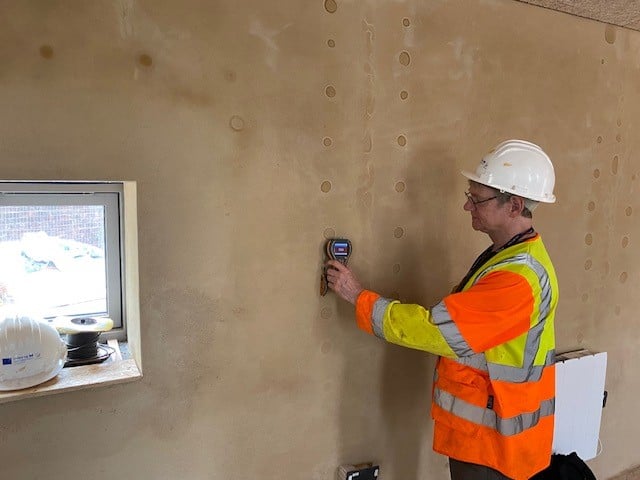
Moisture detection professionals use specialized tools to locate hidden water without unnecessary demolition.
Typical inspection methods include:
• Infrared thermal imaging scans
• Non-invasive moisture meter readings
• Humidity level measurements
• Attic and crawl space inspections
• AC and duct system evaluation
These tools help identify moisture locations and determine how far water has spread.
Local specialists familiar with homes in Rockledge and surrounding communities understand common moisture patterns unique to Brevard County properties. Teams such as Palm Bay Mold Removal regularly identify hidden moisture sources that homeowners might overlook.
Mold Growth and Its Impact on Homes
Once moisture remains trapped for 24 to 48 hours, mold can begin forming on organic materials such as drywall, wood, or carpeting.
Mold spreads by releasing spores into the air, which can travel through HVAC systems and affect multiple rooms.
Homeowners may notice:
• Musty smells
• Allergy-like symptoms indoors
• Visible mold spots
• Persistent humidity
Mold problems often extend further than visible growth suggests, making professional remediation important.
Proper Mold Removal and Remediation
Cleaning visible mold alone rarely solves the issue. Proper remediation addresses both contamination and moisture sources.
A professional remediation process typically includes:
• Isolating contaminated areas
• Removing affected materials when necessary
• Cleaning and sanitizing surfaces
• HEPA air filtration
• Thorough drying procedures
• Fixing the underlying moisture source
Without eliminating moisture, mold often returns.
Flood Restoration and Water Damage Repair
Summer storms and sudden rainfall can cause localized flooding or water intrusion in Rockledge homes. Even small flooding events leave moisture trapped inside structural materials.
Restoration services often include:
• Water extraction
• Structural drying equipment
• Dehumidification
• Removal of soaked materials
• Sanitizing affected areas
Quick action prevents structural weakening and reduces mold risks.
Air Ducts, AC Systems, and Humidity Problems
Air conditioning systems play a major role in indoor moisture control during Florida summers. However, poorly maintained systems can also contribute to moisture problems.
Common AC-related moisture issues include:
• Condensation buildup
• Blocked drain lines
• Poor duct insulation
• Oversized systems causing humidity imbalance
Moisture inside ducts spreads contamination throughout the home, reducing air quality.
Regular AC maintenance and duct inspections help maintain healthier indoor air.
Preventing Moisture Damage in Rockledge Homes
Prevention strategies can significantly reduce moisture risks during humid summers.
Homeowners can protect their homes by:
• Scheduling regular roof inspections
• Cleaning gutters and drainage systems
• Maintaining AC units annually
• Monitoring indoor humidity levels
• Inspecting plumbing regularly
• Improving attic ventilation
• Sealing windows and doors properly
Routine inspections often detect small issues before they escalate.
Why Local Experience Matters
Homes in Rockledge and surrounding areas share common construction styles and environmental challenges. Local professionals understand how humidity and storms affect homes differently than in other regions.
Professionals familiar with Palm Bay, Melbourne, Viera, and Merritt Island recognize moisture patterns specific to coastal Florida living. Their experience helps homeowners receive accurate solutions rather than temporary fixes.
Protecting Your Home Before Damage Gets Worse
Moisture problems often remain invisible until damage becomes serious. By recognizing early warning signs and scheduling inspections when needed, homeowners can avoid costly repairs and protect indoor comfort.
If your home feels unusually humid, smells musty, or shows signs of moisture after storms, a professional inspection may reveal hidden issues before mold and structural damage spread.
Trusted local providers like Palm Bay Mold Removal help homeowners understand moisture risks and guide them toward practical solutions that keep homes dry and healthy year-round.
Taking action early keeps Rockledge homes comfortable, structurally sound, and protected through Florida’s challenging summer seasons.