
Moisture Detection Services in Rockledge After Storm Damage: Complete Guide for Homeowners
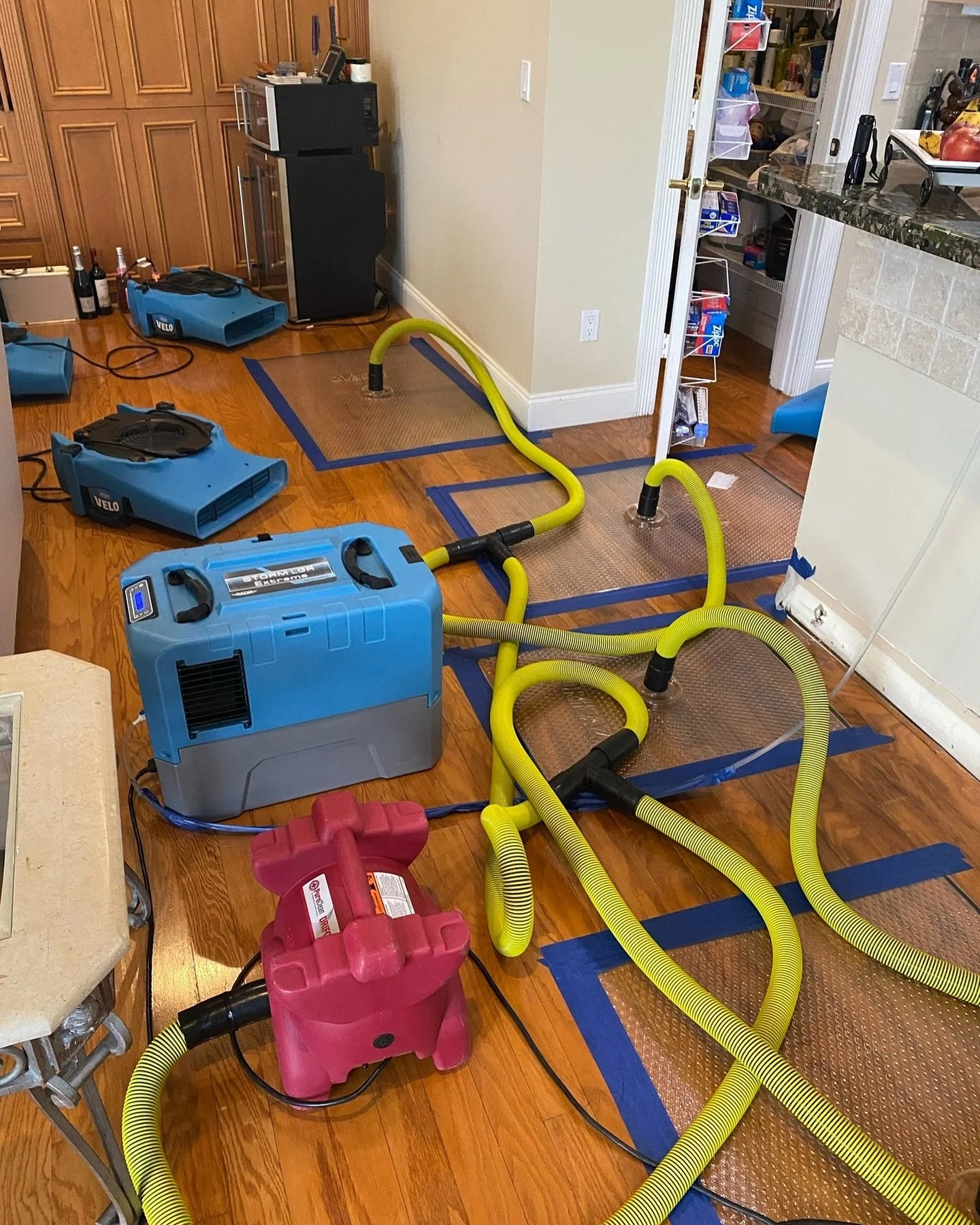
Storms in Rockledge can bring heavy rainfall, flooding, and high winds that compromise the structural integrity of residential homes. One of the most critical yet often invisible consequences of storm damage is excess moisture. Left untreated, moisture can lead to mold growth, rot, structural weakening, and costly repairs.
Professional moisture detection services are essential for homeowners to identify, monitor, and address hidden water issues after storms. This guide provides a detailed overview of moisture detection in Rockledge homes, including the types of damage caused by storms, the methods used by professionals, warning signs, restoration steps, costs, and preventive strategies.
Why Moisture Detection Matters After Storm Damage
Moisture from storm damage is often hidden behind walls, under floors, or in crawl spaces. Even when visible water is removed, residual moisture can persist in structural materials, creating long-term problems:
- Mold Growth: Moist environments are ideal for mold proliferation, which can affect indoor air quality and health.
- Structural Damage: Wood, drywall, and insulation can weaken or rot if moisture remains undetected.
- Electrical Hazards: Water intrusion near wiring or outlets poses safety risks.
- Decreased Property Value: Unaddressed moisture damage reduces the long-term value of the home.
Moisture detection ensures that all affected areas are identified, even those not visible to the naked eye, allowing for thorough restoration and mitigation.
Common Sources of Moisture After Storms
Storm-related moisture in Rockledge homes can originate from multiple sources:
1. Roof Leaks
Damaged shingles, flashing, or gutters can allow water to penetrate the roof, seeping into attics, ceilings, and walls.
2. Flooding and Storm Surge
Heavy rainfall can overwhelm drainage systems, causing water to enter basements, crawl spaces, and lower floors.
3. Broken Windows or Doors
High winds and flying debris can compromise windows or doors, allowing rainwater to enter the home.
4. Plumbing Complications
Storms may indirectly trigger plumbing leaks, such as pipe bursts caused by pressure fluctuations or foundation movement.
5. Condensation in HVAC Systems
High humidity combined with overworked HVAC units can lead to condensation buildup in ducts or around units.
Warning Signs of Hidden Moisture
Homeowners should watch for these indications of moisture intrusion:
- Musty or damp odors
- Discoloration or staining on walls, ceilings, or floors
- Warped or buckling flooring
- Peeling or bubbling paint
- Visible mold growth
- Increased indoor humidity
- Corrosion or rust on metal fixtures
Early recognition of these signs allows homeowners to seek professional assessment before damage becomes severe.
Professional Moisture Detection Methods
Experts use advanced tools and technology to detect moisture in hard-to-reach areas:
1. Moisture Meters
Handheld devices measure the moisture content of building materials, identifying areas that may require drying.
2. Thermal Imaging Cameras
Infrared technology detects temperature differences caused by damp areas, revealing hidden water accumulation.
3. Hygrometers and Data Loggers
These tools monitor humidity levels in air and materials over time, providing data for accurate remediation planning.
4. Non-Invasive Wall and Floor Sensors
Sensors can detect water behind walls or under flooring without requiring demolition.
5. Infrared or Thermal Drones
In larger or multi-story properties, drones equipped with thermal imaging can quickly scan roofs, attics, and exterior walls for moisture intrusion.
Step-by-Step Moisture Detection Process
Step 1: Initial Assessment
Technicians evaluate the property to identify visible signs of storm damage and develop a detection strategy.
Step 2: Non-Invasive Scanning
Using thermal cameras, moisture meters, and sensors, professionals locate hidden water within walls, ceilings, floors, and insulation.
Step 3: Targeted Investigation
Areas flagged during the scanning process are further examined, often using non-invasive probes or data loggers to assess moisture levels.
Step 4: Documentation and Reporting
Homeowners receive a detailed report indicating:
- Location and extent of moisture
- Materials affected
- Recommended remediation steps
Step 5: Restoration Planning
The report guides water extraction, drying, repair, and mold prevention efforts, ensuring complete restoration.
Benefits of Professional Moisture Detection
- Early Problem Identification: Detects hidden water before mold or structural damage develops.
- Cost Savings: Prevents extensive repairs by addressing issues promptly.
- Health Protection: Reduces mold and bacteria risks that can impact indoor air quality.
- Accurate Repairs: Provides precise information to guide targeted restoration, avoiding unnecessary demolition.
- Insurance Support: Detailed reports assist with storm damage claims.
Costs of Moisture Detection Services
Pricing varies depending on home size, complexity, and the detection methods used:
- Small homes: $150–$400
- Medium homes: $400–$800
- Large or multi-story properties: $800–$1,500+
Investing in professional moisture detection is cost-effective, preventing long-term damage and expensive repairs.
Post-Detection Remediation Steps
Once moisture is detected, the restoration process typically includes:
- Water Extraction: Removal of standing water using pumps and vacuums.
- Drying and Dehumidification: Industrial fans, dehumidifiers, and air movers dry walls, floors, and structural elements.
- Mold Prevention and Treatment: Antimicrobial solutions treat affected areas to prevent mold growth.
- Structural Repairs: Damaged drywall, insulation, or flooring is replaced.
- Post-Restoration Verification: Moisture levels are checked to ensure the home is completely dry and safe.
Preventive Measures for Homeowners
- Regular Roof and Gutter Maintenance
Repair damaged shingles and clear gutters to prevent water intrusion. - Seal Windows and Doors
Weatherproofing helps reduce water entry during storms. - Install Proper Drainage Systems
Ensure downspouts, French drains, and grading direct water away from the foundation. - Monitor Indoor Humidity
Use dehumidifiers and HVAC systems to maintain humidity below 60%. - Schedule Annual Home Inspections
Check for roof damage, plumbing issues, and other vulnerabilities before storm season. - Prepare for Storms
Install temporary flood barriers or sandbags in flood-prone areas to limit water intrusion.
Real-World Example
A Rockledge homeowner experienced a heavy tropical storm. While no water was visible inside, a musty smell developed in the living room. Professional moisture detection revealed:
- Elevated moisture in subflooring and behind baseboards
- Minor leaks in plumbing exacerbated by the storm
Restoration included:
- Targeted water extraction
- Drying of affected areas using air movers and dehumidifiers
- Replacement of wet insulation and baseboards
- Post-restoration moisture verification
Early detection prevented mold growth and structural damage, preserving the home’s value.
Choosing a Professional Moisture Detection Service
When selecting a provider in Rockledge, consider:
- Licensing, certifications, and insurance coverage
- Experience with storm-related water damage
- Use of advanced detection tools (thermal imaging, moisture meters, sensors)
- Ability to provide detailed documentation for insurance purposes
- Positive references and verified reviews
Avoid companies that rely solely on visual inspection, as hidden moisture may go undetected.
Final Thoughts
Storms in Rockledge present significant risks to homes, especially from hidden moisture. Professional moisture detection services offer:
- Early identification of water intrusion
- Prevention of mold, structural damage, and health hazards
- Targeted, cost-effective remediation
- Verification for insurance claims and property safety
Homeowners who act quickly after storm events and invest in professional moisture detection protect their properties, ensure occupant safety, and maintain long-term home value. Combining expert detection with preventive measures creates resilient homes that withstand Florida’s challenging weather conditions.