
Moisture Detection Services in Rockledge after Plumbing Leaks: What Homeowners Should Know
Plumbing leaks are one of the most common causes of hidden water damage in homes throughout Rockledge and surrounding Brevard County communities. While some leaks are obvious, many occur behind walls, under flooring, or inside ceilings where they remain unnoticed for weeks or even months.
By the time visible damage appears, moisture may already be affecting structural materials, insulation, and indoor air quality. This is why professional moisture detection services are often necessary after plumbing leaks, even when repairs seem complete.
Understanding how hidden moisture behaves and how detection services work can help homeowners protect their homes from long-term damage and mold problems.
What Happens After a Plumbing Leak
A plumbing leak does not always flood a room. Often, leaks drip slowly behind surfaces or beneath flooring, allowing water to spread gradually through building materials.
Water from leaks can soak into:
• Drywall and insulation
• Subflooring and framing
• Cabinets and baseboards
• Ceiling cavities
• Carpet padding and flooring materials
Because water travels along structural pathways, moisture often spreads far beyond the original leak location. Even after plumbing repairs, wet materials may remain hidden, creating conditions that lead to mold growth or structural deterioration.
Why Plumbing Leaks Cause Frequent Problems in Rockledge Homes
Homes in Rockledge, Palm Bay, Melbourne, and surrounding communities face several challenges that make moisture problems more likely after leaks.
Florida’s humid climate slows drying, allowing moisture to remain trapped inside materials longer. Slab foundations common in many homes can also allow water to spread underneath flooring before becoming visible.
Additional risk factors include:
• Aging plumbing in older homes
• High indoor humidity levels
• Pipes running through walls and ceilings
• AC systems adding indoor moisture
• Poor ventilation in bathrooms and kitchens
Homes in Merritt Island, Satellite Beach, and Cocoa Beach also experience coastal humidity that further delays drying after leaks occur.
Signs Homeowners Often Notice
After a plumbing leak, many homeowners assume the issue is resolved once repairs are made. However, lingering moisture often produces warning signs later.
Common signs include:
• Musty smells in rooms or closets
• Warping or buckling flooring
• Peeling paint or bubbling walls
• Ceiling stains or discoloration
• Persistent damp odors
• Mold spots appearing weeks later
These symptoms usually indicate moisture remains trapped within walls or floors.
Hidden Areas Where Moisture Remains
Many plumbing leaks affect spaces homeowners rarely inspect, allowing damage to continue unnoticed.
Common hidden moisture locations include:
• Behind bathroom or kitchen walls
• Under sinks and cabinets
• Beneath tile or vinyl flooring
• Inside wall insulation
• Behind washing machine connections
• Ceiling cavities below upstairs plumbing
Water often spreads horizontally before becoming visible, making detection difficult without professional tools.
Why DIY Drying Methods Often Miss the Problem
Homeowners often try to dry areas themselves using fans or household dehumidifiers. While helpful for surface drying, these methods rarely remove moisture trapped inside structural materials.
DIY efforts typically fail because:
• Moisture remains inside walls and insulation
• Flooring traps water underneath surfaces
• Air circulation cannot reach hidden cavities
• Mold may already be developing out of sight
Without proper detection, homeowners may believe the problem is solved when moisture is still present.
How Professional Moisture Detection Works
Professional moisture detection services use specialized tools to locate hidden damp areas without unnecessary demolition.
Technicians typically rely on:
• Moisture meters that measure water content inside materials
• Thermal imaging cameras that reveal temperature differences caused by moisture
• Hygrometers measuring humidity levels
• Inspection cameras for wall cavities
• Structural evaluations around leak areas
These tools help map how far moisture spread, allowing targeted drying and repair.
Step-by-Step Process After Moisture Is Found
Once hidden moisture is identified, restoration professionals follow a structured drying and repair process.
Step 1: Stopping the Water Source
Plumbing repairs must be confirmed complete to prevent recurring leaks.
Step 2: Controlled Area Opening
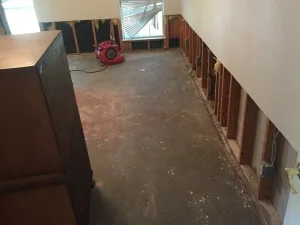
Sections of walls or flooring may be opened only where necessary to access wet materials.
Step 3: Removal of Saturated Materials
Damaged insulation, drywall, or flooring components may require removal if drying is impossible.
Step 4: Structural Drying
Professional drying equipment removes trapped moisture from framing and structural materials.
Step 5: Cleaning and Mold Prevention
Surfaces are cleaned and treated if mold has begun developing.
Step 6: Moisture Verification
Final testing confirms materials have dried properly before rebuilding begins.
Relationship Between Plumbing Leaks and Mold Growth
Moisture from plumbing leaks is one of the leading causes of mold problems in Florida homes. Mold spores naturally exist indoors, but growth occurs when materials stay damp for extended periods.
Conditions promoting mold include:
• Warm temperatures
• High humidity
• Organic building materials
• Lack of airflow
Once mold begins growing behind walls or flooring, spores can spread throughout the home.
HVAC Systems and Moisture Spread
Plumbing leaks sometimes affect HVAC systems when moisture reaches ducts or air handlers, particularly in homes with units installed in closets or attics.
Moisture inside duct systems can lead to:
• Musty odors when AC operates
• Mold growth within ducts
• Reduced airflow efficiency
• Increased indoor humidity
Professional inspection may include checking duct systems if moisture spreads near HVAC components.
Preventing Future Plumbing Leak Damage
Homeowners in Rockledge and surrounding communities can reduce future moisture risks through preventive maintenance.
Helpful steps include:
• Inspecting plumbing connections regularly
• Monitoring water pressure
• Checking under sinks for dampness
• Replacing aging supply lines
• Installing leak detection devices
• Addressing small leaks immediately
• Scheduling periodic home moisture inspections
Early action prevents small leaks from becoming expensive repairs.
Why Local Experience Matters in Detection Services
Moisture behaves differently depending on construction style and climate. Professionals familiar with Rockledge and Brevard County homes understand where leaks commonly spread and how materials react in Florida humidity.
Local experience helps technicians locate hidden moisture quickly and recommend solutions suited to regional construction patterns.
Many homeowners rely on experienced local providers such as Palm Bay Mold Removal because familiarity with area homes allows faster and more accurate detection and remediation.
Protecting Your Home After a Plumbing Leak
Plumbing repairs alone do not always resolve the full impact of a leak. Hidden moisture can continue damaging materials long after pipes are fixed.
If your home experienced a plumbing leak, scheduling professional moisture detection helps ensure no damp areas remain hidden. Proper drying protects structural components and prevents mold development.
Taking prompt action after leaks helps homeowners in Rockledge maintain safe, comfortable living spaces while avoiding future costly repairs.