
Moisture Detection Services in Merritt Island in Older Homes: Step‑by‑Step Process Explained
Older homes in Merritt Island are full of charm, but they also present unique challenges when it comes to maintaining structural integrity and indoor air quality. Florida’s humid climate, heavy rains, and coastal air make these homes especially susceptible to hidden moisture problems. Even minor leaks from plumbing, roof damage, or condensation can go unnoticed for months, causing long-term damage to walls, insulation, floors, and HVAC systems.
Moisture detection services are crucial for homeowners to identify and address these issues before they escalate. This guide explains the causes of moisture accumulation in older Merritt Island homes, common signs, the step‑by‑step inspection process, and preventive measures for long-term protection.
Why Moisture Detection Is Important in Older Homes
Older homes often have structural vulnerabilities that make them more prone to moisture intrusion:
- Aging Plumbing Systems: Corroded pipes or slow leaks behind walls often go unnoticed.
- Roof and Flashing Wear: Decades of exposure to sun, storms, and salt air can compromise roofing materials.
- Slab Foundation Cracks: Shifting foundations may allow groundwater to seep into basements or crawl spaces.
- Limited Ventilation: Original construction may not include adequate attic vents, exhaust fans, or air returns, trapping humid air inside.
- Outdated Insulation and Drywall: These materials may retain water and dry slowly, creating ideal conditions for mold.
Detecting moisture early prevents structural decay, mold growth, poor indoor air quality, and costly repairs.
Common Causes of Moisture Problems
- Plumbing Leaks
Aging copper or galvanized pipes often leak behind walls or under floors, leading to hidden damp areas. - Roof and Gutter Issues
Damaged shingles, deteriorated flashing, and clogged gutters can allow rainwater to infiltrate attics or ceilings. - HVAC Condensation
Air conditioners in older homes may generate condensation that accumulates in ducts, around coils, or in drain pans if not properly maintained. - High Humidity
Florida’s subtropical climate leads to consistently high humidity, which penetrates walls, crawl spaces, and attics, especially in poorly ventilated homes. - Flooding or Storm Water Intrusion
Heavy rains or storm surge can push water through slab cracks, low-level windows, or poorly sealed doors.
Signs That Moisture May Be Present
Even in older homes with no obvious leaks, moisture can exist behind walls, under floors, or in attics. Homeowners should look for:
- Musty or damp odors
- Peeling paint or wallpaper
- Stains on ceilings or walls
- Warped or discolored flooring
- Condensation on windows or vents
- Visible mold or mildew growth
- Soft or crumbling baseboards or drywall
Recognizing these early warning signs helps guide a more effective inspection.
Step‑by‑Step Moisture Detection Process
Moisture detection in older homes is a multi-step process conducted by trained professionals using specialized equipment.
Step 1: Initial Assessment
The technician gathers information about the home, including:
- Recent plumbing repairs or leaks
- Storm damage history
- Known ventilation issues
- Previous water damage incidents
This consultation determines areas that need closer inspection.
Step 2: Visual Inspection
A thorough visual examination identifies:
- Water stains or discoloration
- Warped or sagging walls and ceilings
- Damp insulation or flooring
- Signs of mold growth
- HVAC and ductwork condition
Older homes may have hidden cavities where moisture collects, so attention to detail is critical.
Step 3: Moisture Mapping with Specialized Tools
Professionals use tools to locate hidden moisture:
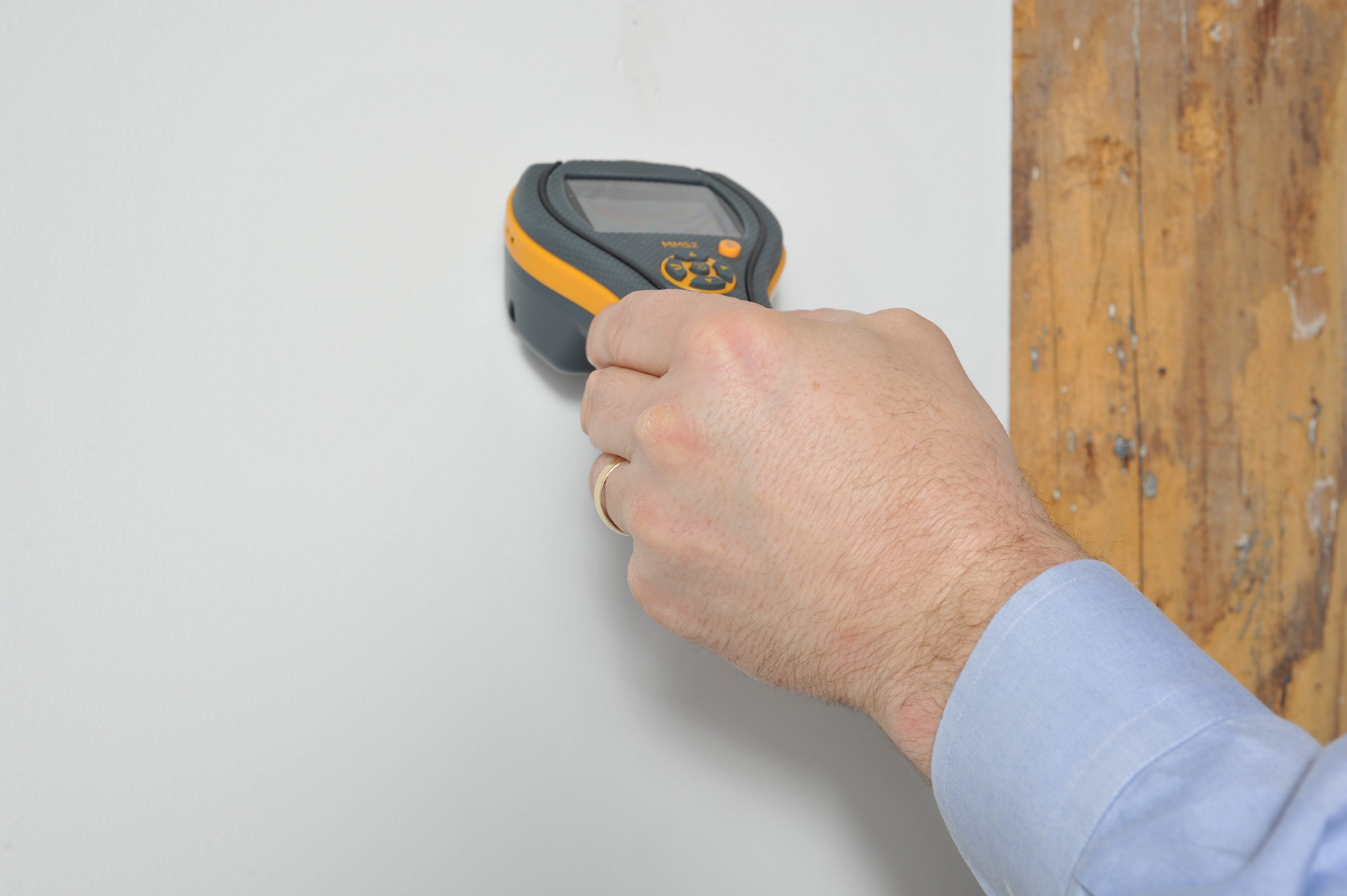
- Moisture Meters: Measure water content in drywall, wood, and subfloors.
- Thermal Imaging Cameras: Detect temperature differences that suggest wet areas behind walls or ceilings.
- Hygrometers: Measure indoor humidity levels.
This process allows technicians to identify not just visible water but hidden pockets that could compromise structural integrity.
Step 4: Targeted Sampling (Optional)
If visible mold or water damage is suspected, surface or air samples may be taken to:
- Confirm the presence of microbial growth
- Determine the extent and type of contamination
- Guide remediation or repair strategies
This step is particularly important in humid environments like Merritt Island, where mold can grow rapidly.
Step 5: Detailed Reporting
After the inspection, homeowners receive a comprehensive report detailing:
- Moisture locations and severity
- Potential sources of water intrusion
- Areas at risk for mold or structural damage
- Recommendations for repair, remediation, or prevention
This documentation is valuable for insurance claims, property sales, or long-term maintenance planning.
Typical Areas Moisture Accumulates in Older Merritt Island Homes
- Attics: Poor ventilation allows humid air to condense on roof decking.
- Crawl Spaces: Ground moisture seeps into wood framing or insulation.
- Bathrooms and Kitchens: Plumbing leaks or condensation can affect walls and floors.
- HVAC Ductwork: Condensation and standing water in ducts can circulate spores.
- Behind Drywall or Flooring: Hidden leaks may remain unnoticed for months or years.
By focusing on these high-risk areas, moisture detection helps prevent secondary damage.
Cost of Professional Moisture Detection
Costs vary depending on home size and complexity:
- Basic inspection: $200–$400
- Comprehensive inspection with thermal imaging and moisture mapping: $500–$900
- Large or multi-story properties: $900–$1,500+
Considering the potential cost of structural repairs and mold remediation, investing in professional detection is cost-effective.
Preventing Future Moisture Problems
After detection, homeowners should take steps to prevent recurring issues:
- Repair plumbing leaks immediately
- Maintain roof, flashing, and gutters
- Improve attic and crawl space ventilation
- Install dehumidifiers or maintain HVAC humidity controls
- Seal slab cracks and foundation gaps
- Regularly inspect HVAC systems and condensate lines
- Use moisture sensors for early alerts
Proactive maintenance preserves home integrity and improves indoor air quality.
Benefits of Early Moisture Detection
- Minimizes structural damage
- Reduces risk of mold growth
- Maintains indoor air quality
- Protects energy efficiency of insulation and HVAC systems
- Preserves home value
- Prevents costly, reactive repairs
Older homes require consistent monitoring to ensure minor leaks do not develop into major issues.
Why Local Expertise Matters
Merritt Island has unique conditions that impact moisture management:
- Subtropical climate with high year-round humidity
- Proximity to coastal salt air and storm surge
- Older construction techniques with limited ventilation
- Common foundation types, including slab-on-grade
Local professionals understand these factors and tailor moisture detection strategies accordingly.
Conclusion
Moisture detection in older Merritt Island homes is critical for maintaining structural integrity, preventing mold growth, and protecting indoor air quality. Florida’s humid climate, combined with aging materials and hidden leaks, creates an environment where moisture can silently damage walls, floors, and HVAC systems.
Professional moisture detection involves visual inspections, moisture mapping, thermal imaging, and targeted sampling. The resulting data helps homeowners address issues promptly, prevent mold, and plan repairs effectively.
For homeowners in Merritt Island, proactive moisture monitoring and remediation not only safeguard property but also improve comfort, health, and long-term home value. Regular inspections, preventive maintenance, and timely repairs are the best strategy to protect older homes from the persistent threat of moisture.