
Photorealistic exterior view of a Titusville, Florida single-family home after a storm, showing wet soffit area and a slightly damaged roof edge near an attic vent, damp siding around a window frame, puddled water near the foundation, overcast natural lighting, realistic textures, no people, no text, no logos.
Photorealistic interior utility/garage area in a Florida home showing an HVAC air handler with a damp condensate pan area and moisture staining on nearby drywall, a portable dehumidifier and air mover positioned nearby, natural indoor lighting, realistic materials, no people, no text, no logos.
Photorealistic close-up of a technician-style moisture mapping setup without any people: a pinless moisture meter resting on a drywall surface beside a thermal imaging camera on a tripod aimed at a wall with a visible cool moisture pattern, clean residential interior, natural lighting, no people, no text, no logos.
Moisture Detection in Titusville After Storm Damage: Costs, Causes, and Solutions
Storm damage in Titusville has a way of looking “fine” at first. The roof still looks intact from the driveway. The drywall isn’t falling down. The AC turns on. Everyone exhales.
Then a week later you notice that one closet smells weird. A corner of paint starts to bubble. The floor near a sliding door feels a little spongy. Or your AC suddenly can’t keep up like it used to.
That’s the thing about storm water in Brevard County: it doesn’t always show up loudly. It sneaks in, sits where you can’t see it, and lets Florida humidity do the rest.
Moisture detection is the boring-sounding step that prevents expensive surprises. It’s how you figure out what’s actually wet, how far it traveled, and what needs to be dried or removed before mold gets comfortable.
Below is a clear, homeowner-friendly breakdown of causes, costs, and solutions specifically for Titusville and nearby communities like Mims, Scottsmoor, Port St. John, Cocoa, Rockledge, and the coastal side over toward Cocoa Beach and Satellite Beach.
What “Moisture Detection” Really Means (and Why It Matters After a Storm)
Moisture detection isn’t just “looking for water.” It’s a systematic process of finding abnormally wet building materials, mapping where moisture migrated, and documenting readings so drying can be targeted and verified. In the restoration world, that mapping is used to guide drying, measure progress, and avoid unnecessary demolition.
After storms in Titusville, this matters because water often moves:
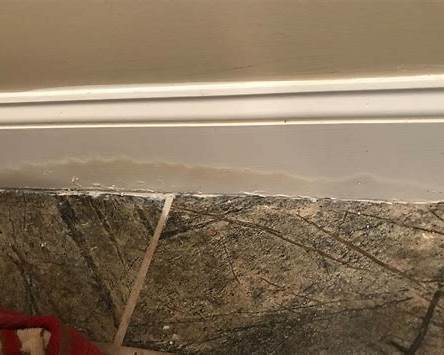
- Behind baseboards and into drywall edges
- Under flooring (especially laminate and vinyl plank)
- Into attic insulation from wind-driven rain
- Around windows, doors, and stucco penetrations
- Into HVAC returns/air handler closets from high humidity and condensation
If you only dry what you can see, you can leave wet materials sealed inside the structure. That’s when musty odors and mold complaints start showing up later.
Common Causes of Hidden Moisture in Titusville After Storm Damage
Titusville homes see a mix of storm patterns: heavy rain bands, wind-driven rain, occasional roof/soffit damage, and days of oppressive humidity after power interruptions. The most common moisture sources we find after storms include:
1) Wind-driven rain through roof edges and vents
Even without a “missing shingles” situation, wind can push water under flashing, into ridge vents, and through small roof penetrations. Moisture then hits attic insulation first and can drip down framing.
2) Window and door track intrusion
Sliding doors and older window seals can allow water to seep in during sideways rain. This often soaks subfloor edges or the slab perimeter line.
3) Stucco cracks and exterior penetrations
Cable lines, hose bibs, light fixtures, and tiny stucco cracks can become water entry points during long storm events.
4) AC condensation overload
After storms, AC systems run hard to pull down humidity. Drain lines clog, pans overflow, and you get moisture in a utility closet or garage wall. It’s not dramatic—but it’s persistent.
5) Ground saturation at the slab edge
In prolonged rain, the ground stays saturated. Moisture can wick into lower wall materials and flooring edges even if you never had standing water indoors.
Where Moisture Hides (So You Know What to Check First)
In Titusville storm jobs, hidden moisture tends to cluster in predictable zones:
- Bottom 12–24 inches of drywall along exterior walls
- Behind baseboards (especially in bedrooms and hallways)
- Under flooring near doors, kitchens, and living room perimeter walls
- Inside closets on exterior corners (low airflow = slow drying)
- Attics: insulation, top plates, and around bath fan vents
- HVAC areas: return chases, air handler closets, and supply boots
If your home smells “swampy” only when the AC kicks on, include HVAC/duct pathways in the moisture check—not just walls and floors.
Costs in Titusville: What Moisture Detection Typically Runs
Prices vary based on home size, how many areas are being checked, and whether the inspection includes documentation or sampling. Here are realistic cost buckets you’ll see around Florida:
Moisture inspection / moisture mapping (standalone)
Many Florida inspection providers list moisture inspection pricing around the $250 range for a focused moisture inspection.
Non-invasive leak detection (when you suspect a specific leak source)
A realistic 2026 range for non-invasive leak detection visits is often $200–$500, with broader ranges depending on complexity.
Infrared/thermal and roof moisture surveys (specialty cases)
If you’re dealing with roof moisture surveying (often used for certain roof types), residential surveys commonly fall around $400–$800, depending on size and complexity.
What drives your final cost
- Size of the home and number of rooms affected
- Attic accessibility and extent of scanning
- Whether written reports/diagrams are included
- Time on site (quick check vs. full mapping)
- If follow-up verification visits are needed
One practical tip: ask whether moisture detection and repair are separate line items. Detection is about confirming the source and the spread; repair/restoration is the next phase.
How Pros Detect Moisture (Tools and What They Actually Tell You)
A good moisture detection visit uses more than one tool, because each tool answers a different question:
Moisture meters (pin and pinless)
- Pinless meters scan quickly and are great for mapping large areas.
- Pin meters confirm deeper moisture and help verify drying progress.
Thermal imaging (infrared cameras)
Thermal imaging helps identify temperature differences that often indicate moisture patterns behind surfaces—especially useful when the wall looks normal but something feels “off.”
Humidity and dew point checks
After storms, indoor humidity can stay high enough to cause condensation in HVAC closets, behind furniture, and on exterior walls.
Borescope (small camera) when needed
Sometimes a small access point allows a visual check inside a wall cavity without tearing everything open.
Moisture detection should end with a clear map: what’s wet, what’s drying, what’s already dry, and what areas need access/removal.
Solutions: What Happens After Moisture Is Found
Once moisture is confirmed, solutions should match the severity and the material type.
1) Targeted drying (best case scenario)
If drywall and framing are wet but still salvageable, the solution is controlled drying:
- Commercial dehumidifiers
- Air movers positioned for airflow across wet zones
- Monitoring readings until materials hit acceptable dry levels
Moisture detection guides exactly where equipment goes, so you’re not “drying the whole house” when only one wall line is affected.
2) Selective removal (when porous materials are saturated)
If insulation is soaked, drywall is crumbling, or flooring underlayment is saturated, removal is often the cleanest solution. Porous materials hold water and can’t always be dried reliably in Florida’s humidity.
3) Leak correction and sealing (so the problem doesn’t repeat)
Common Titusville fixes after storms include:
- Roof flashing/vent boot repairs
- Window/door re-sealing and track drainage corrections
- Exterior penetration sealing
- AC drain line clearing and pan overflow prevention
- Improving grading/drainage near the slab edge
4) Mold inspection/remediation (when growth is present or likely)
If moisture sat long enough, mold inspection becomes a smart next step—especially in low-airflow spaces like closets, behind cabinets, and HVAC returns.
Palm Bay Mold Removal is often brought in when moisture mapping suggests likely hidden growth or when a home has persistent odor after drying.
When to Schedule Moisture Detection After a Storm
For Titusville storm events, earlier is better. The sooner you map moisture, the less material ends up needing removal.
As a rule of thumb:
- Immediately if you had indoor water intrusion, roof leaks, or AC overflow
- Within a few days if you notice odor, staining, or bubbling paint
- Anytime you’re unsure whether a “minor” leak actually soaked the structure
The most expensive jobs aren’t the ones with the most water. They’re the ones where hidden moisture stayed trapped until mold and material breakdown forced a bigger rebuild.
How to Reduce Moisture Problems in Future Storm Seasons
Titusville homeowners can lower risk with a few practical habits:
- Keep gutters and downspouts directing water away from the slab edge
- Inspect window/door seals before hurricane season
- Check attic insulation and roof penetrations after major wind events
- Maintain AC drain lines and verify condensate pan drainage
- Use dehumidification strategically after storms (even if the AC is running)
- Don’t reinstall baseboards or flooring until moisture readings confirm dryness
Moisture detection isn’t just an “after” service—it’s also how you verify you’re truly back to normal.
A Calm, Practical Next Step
If your Titusville home took storm damage—whether it was obvious flooding or “just some leaks”—moisture detection gives you clarity. You’ll know what’s wet, what’s drying, and what needs attention before it becomes a bigger problem.
If you want the smartest path forward, start with moisture mapping and documentation. Then choose solutions based on real readings, not guesswork.