Moisture Detection in Rockledge from AC Condensation: Inspection and Repair Guide
Air conditioning systems are essential in Rockledge homes, especially during long periods of heat and humidity. However, the same systems that keep indoor spaces comfortable can also become a hidden source of moisture. AC condensation problems often develop gradually, allowing dampness to accumulate in ceilings, walls, ducts, or flooring before anyone notices.
Moisture detection plays a critical role in identifying these issues early. A careful inspection and proper repairs can prevent long-term structural damage, improve indoor comfort, and reduce the risk of recurring problems.
Understanding AC Condensation and Moisture Problems
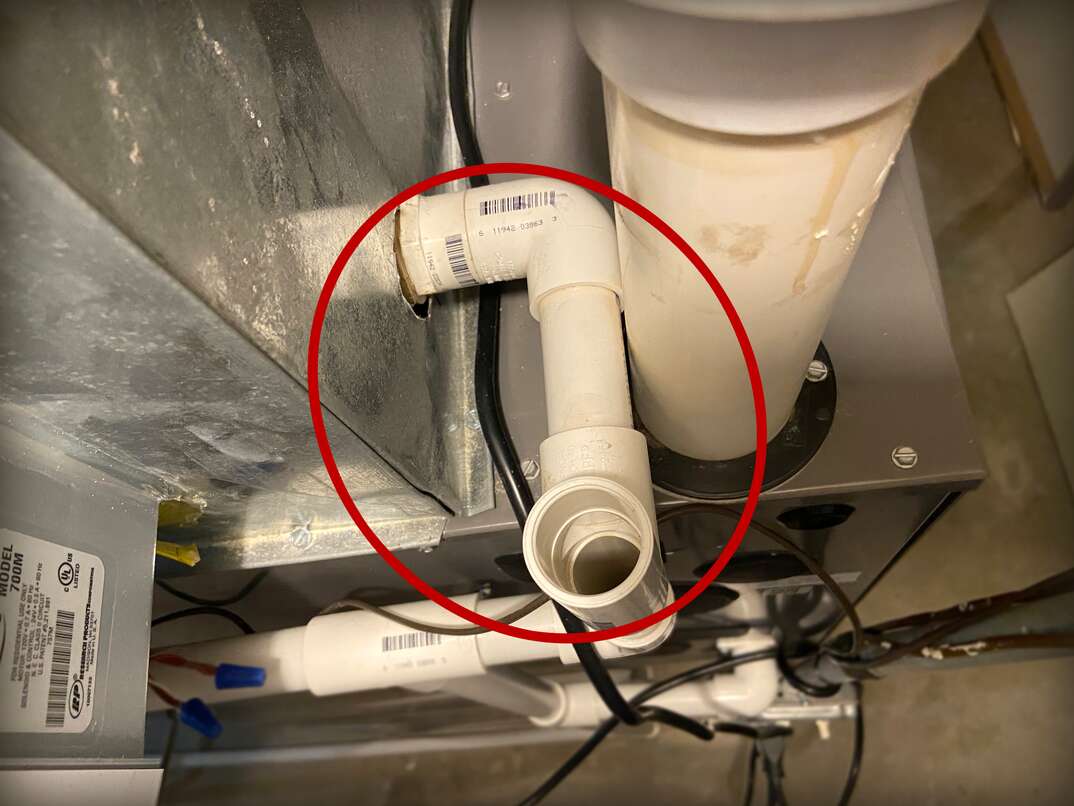
Air conditioners remove humidity from indoor air, and the moisture collects on the evaporator coil before draining away through a condensate line. When everything works properly, this process is harmless.
Problems begin when:
- Drain lines clog or slow down
- Drain pans crack or overflow
- Ductwork sweats in humid attic spaces
- Air leaks cause warm air to meet cold surfaces
- Insulation around ducts or vents deteriorates
In Rockledge and nearby areas like Melbourne and Viera, high humidity means condensation can form quickly, especially in attics and air handler closets.
Why Condensation Issues Are Common in Rockledge Homes
Several local factors increase the likelihood of AC-related moisture problems:
- High year-round humidity
- Long cooling seasons that keep systems running constantly
- Hot attic temperatures causing ducts to sweat
- Coastal air that carries additional moisture
- Older duct systems or insulation in established neighborhoods
Homes in Merritt Island and Cocoa Beach often experience similar challenges, particularly when ventilation is limited or ductwork is exposed to hot attic air.
Early Warning Signs of Condensation Problems
Moisture from AC systems usually develops quietly. Property owners often notice small changes before visible damage appears.
Common warning signs include:
- Musty odors when the AC runs
- Water stains near vents or ceilings
- Peeling paint or bubbling drywall
- Condensation around supply registers
- Increased indoor humidity
These symptoms may appear weeks after condensation problems begin, which is why early inspection is important.
Hidden Areas Where Moisture Often Accumulates
Condensation rarely stays on visible surfaces. Moisture often spreads into areas that are difficult to inspect without proper tools.
Common hidden locations include:
- Inside return air chases
- Attic insulation surrounding ducts
- Behind drywall near vent boots
- Beneath flooring near air handler units
- Around drain lines and fittings
Professional moisture detection frequently reveals damp materials that homeowners were unaware of, especially in attic spaces.
How Moisture Detection Inspections Work
Moisture detection is a systematic process designed to identify both visible and hidden dampness.
A typical inspection includes:
- Visual examination of vents, ceilings, and walls
- Moisture meter readings on drywall and baseboards
- Inspection of attic ductwork and insulation
- Checking condensate lines and drain pans
- Evaluating airflow and humidity levels
Thermal imaging may also be used to locate temperature differences that indicate moisture behind surfaces.
Companies such as Palm Bay Mold Removal often perform these inspections in Rockledge and surrounding Brevard County communities after homeowners notice odors, stains, or humidity issues.
Common Causes Found During Inspections
Moisture detection often reveals one or more of the following problems:
- Clogged condensate drain lines
- Improper drain slope
- Rusted or damaged drain pans
- Duct leaks allowing humid air inside
- Poor insulation around ducts
- Oversized AC systems short-cycling and failing to remove humidity effectively
Identifying the root cause is essential before repairs or cleaning begin.
Repairing AC Condensation Problems
Once the moisture source is identified, repairs focus on correcting both the mechanical issue and any affected building materials.
Typical repair steps may include:
- Cleaning or replacing condensate drain lines
- Repairing or replacing drain pans
- Sealing and insulating ductwork
- Adjusting airflow or ventilation
- Drying affected materials thoroughly
Addressing the cause of condensation ensures the problem does not return after cleanup.
Drying and Preventing Secondary Damage
Moisture left behind in walls, insulation, or flooring can lead to further damage if not properly dried.
Drying methods may involve:
- Air movers to increase circulation
- Dehumidifiers to remove excess humidity
- Monitoring moisture levels until materials reach normal ranges
Proper drying protects drywall, wood framing, and flooring from long-term deterioration.
Air Ducts and Indoor Air Quality
Condensation problems often affect duct systems, which can influence indoor air quality.
Potential concerns include:
- Moisture inside duct insulation
- Dust and particles sticking to damp surfaces
- Odors circulating through the home
- Reduced airflow efficiency
Air duct inspection and, when necessary, cleaning can help restore proper airflow and maintain a comfortable indoor environment.
Preventing Future Condensation Problems
Routine maintenance is the most effective way to prevent moisture issues related to air conditioning.
Helpful preventive steps include:
- Flushing condensate drain lines regularly
- Inspecting drain pans and fittings
- Checking attic insulation around ducts
- Replacing air filters on schedule
- Monitoring indoor humidity levels
Regular inspections in Rockledge and Palm Bay often identify small condensation issues before they lead to water damage or mold growth.
Why Local Experience Matters
Moisture behaves differently in Florida homes than in cooler climates. High humidity, coastal weather, and construction styles all influence how condensation forms and spreads.
Local professionals understand:
- Typical duct and attic conditions in Brevard County homes
- How humidity affects drying times
- Common ventilation challenges in slab-foundation houses
- Effective repair strategies for condensation problems
Palm Bay Mold Removal has experience working with these conditions across Rockledge, Melbourne, and Titusville, helping property owners address moisture issues while focusing on long-term prevention.
A Practical Approach to Protecting Your Home
AC condensation problems often begin as minor issues but can lead to significant damage if ignored. Paying attention to early warning signs, scheduling moisture detection when needed, and completing proper repairs help protect both the structure of a home and indoor comfort.
With regular maintenance and prompt inspections, homeowners in Rockledge can keep their homes dry, efficient, and comfortable—even during Florida’s most humid months.