Moisture Detection in Merritt Island in Coastal Homes: Complete Guide for Homeowners
Living in Merritt Island offers many advantages—coastal views, warm weather, and easy access to waterways. However, homes in coastal environments also face unique challenges, and moisture is one of the most common. High humidity, salt air, seasonal storms, and heavy rainfall all increase the likelihood of hidden moisture problems inside residential structures.
Moisture detection plays an essential role in protecting coastal homes. By locating damp areas early, homeowners can prevent mold growth, avoid structural damage, and reduce long-term repair costs. Understanding how moisture develops, how detection works, and what solutions are available can help homeowners maintain safe and comfortable indoor environments.
Why Coastal Homes Are More Vulnerable to Moisture
Homes in Merritt Island are exposed to environmental conditions that make moisture problems more likely than in inland areas. Warm air naturally holds more water vapor, and coastal air often contains higher humidity levels year-round.
Several factors increase moisture risks in coastal homes:
- Frequent rain and seasonal storms
- Salt air accelerating material wear
- High humidity slowing evaporation
- Continuous air-conditioning use
- Wind-driven rain entering small openings
Even well-maintained homes can develop moisture problems over time due to these environmental conditions.
What Moisture Detection Means
Moisture detection is the process of locating water or dampness that may not be visible on the surface. Water often spreads through drywall, insulation, wood framing, and flooring, traveling far from the original source.
Moisture detection helps identify issues such as:
- Hidden plumbing leaks
- Roof leaks affecting attic insulation
- Condensation in duct systems
- Damp subfloors beneath carpeting
- Moisture trapped behind walls
Detecting these issues early allows homeowners to correct problems before they lead to mold growth or structural damage.
Common Causes of Moisture in Merritt Island Homes
Moisture problems in coastal homes usually develop gradually. Some of the most common causes include:
- Roof leaks after storms
- Clogged gutters or poor drainage
- Air-conditioning condensation
- Plumbing leaks inside walls
- Poor ventilation in attics or crawl spaces
Homes in nearby communities such as Cocoa Beach, Titusville, and Rockledge often experience similar issues, especially during humid summer months.
Early Signs of Hidden Moisture
Moisture often produces subtle warning signs before major damage appears. Recognizing these signs early can prevent costly repairs.
Homeowners should watch for:
- Musty or damp odors
- Peeling or bubbling paint
- Discoloration on ceilings or walls
- Warped baseboards or flooring
- Increased indoor humidity
These symptoms often indicate moisture trapped behind walls or under flooring.
Hidden Areas Where Moisture Often Develops
In many coastal homes, moisture accumulates in areas that are rarely inspected. Some of the most common hidden locations include:
- Attics with limited ventilation
- Behind bathroom or kitchen walls
- Around windows and exterior walls
- Inside HVAC ducts and air handlers
- Beneath flooring near appliances
Because these areas are difficult to access, moisture problems may continue for months without being noticed.
Why DIY Moisture Detection Often Misses the Problem
Homeowners sometimes attempt to locate moisture by looking for stains or feeling surfaces. While this may reveal obvious leaks, hidden moisture is difficult to detect without specialized equipment.
DIY detection often falls short because:
- Moisture inside walls cannot be seen
- Materials may feel dry on the surface but remain damp internally
- Small leaks may not produce visible damage
- Humidity levels may fluctuate throughout the day
Professional detection tools provide a much more accurate picture of moisture conditions inside a home.
Professional Moisture Detection Methods Explained
Professional moisture detection involves several techniques designed to locate hidden water quickly and accurately.
Common methods include:
- Moisture meters to measure dampness in materials
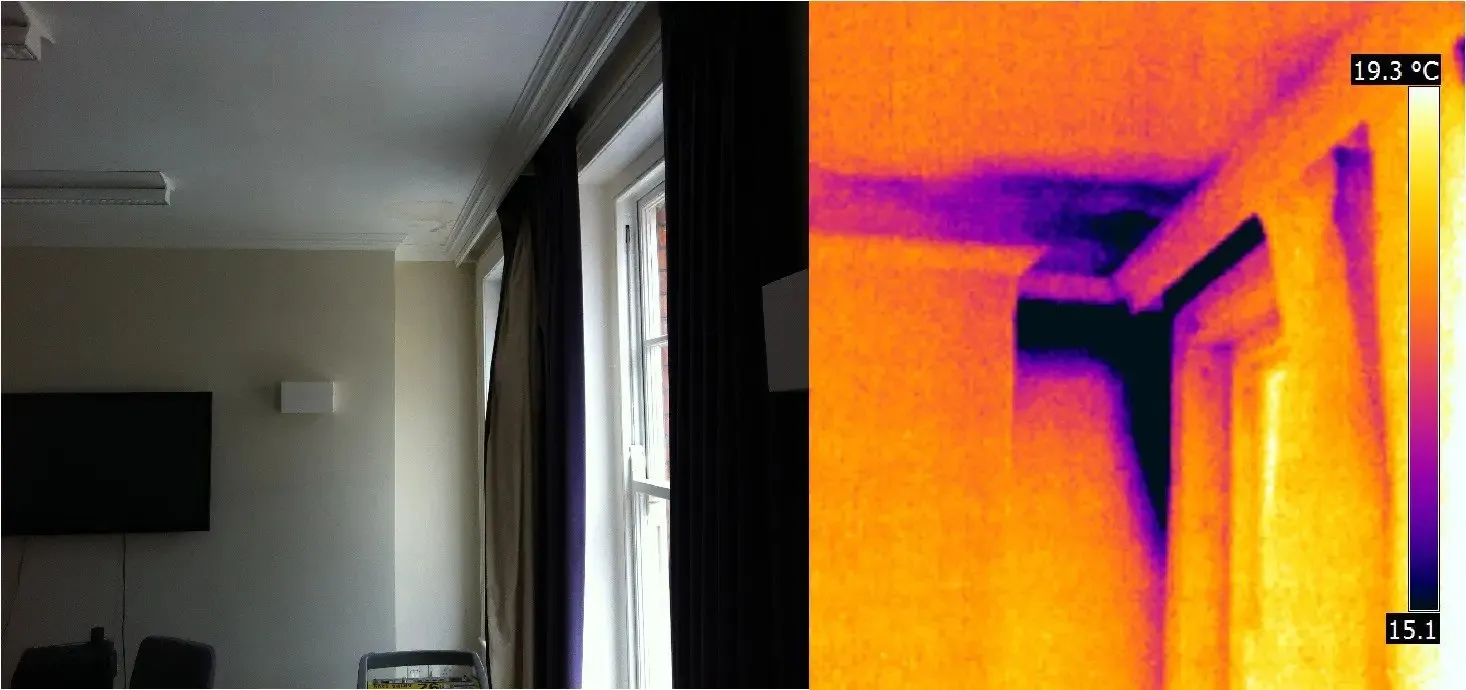
- Thermal imaging cameras to detect temperature differences
- Hygrometers to measure humidity levels
- Visual inspections of roofing, plumbing, and HVAC systems
Professionals familiar with local conditions, such as teams working with Palm Bay Mold Removal, often recognize patterns caused by coastal humidity and can identify likely problem areas efficiently.
What Happens After Moisture Is Found
Once moisture is detected, the next step is identifying the source and correcting it. This may involve repairs, drying, or improvements to ventilation.
Typical solutions may include:
- Repairing plumbing leaks
- Sealing roof leaks or flashing
- Improving attic ventilation
- Drying affected materials
- Cleaning and repairing HVAC systems
Addressing both the moisture and its source is essential to prevent recurring problems.
Water Damage and Mold Prevention
Moisture left untreated can lead to mold growth, especially in humid climates like Merritt Island. Mold often develops in damp insulation, drywall, or wood framing when moisture remains for extended periods.
Drying and restoration may involve:
- Using air movers and dehumidifiers
- Removing saturated materials
- Monitoring moisture levels
- Cleaning and treating affected areas
Homes in Palm Bay and Satellite Beach sometimes require similar restoration after storms or leaks.
HVAC Systems and Coastal Moisture
Air-conditioning systems play a major role in managing indoor humidity. However, if HVAC components are not maintained properly, they can contribute to moisture problems.
Common HVAC-related moisture issues include:
- Clogged condensate drains
- Wet duct insulation
- Dirty evaporator coils
- Poor airflow
Routine HVAC maintenance helps prevent these issues and improves overall indoor air quality.
Costs: What Influences Moisture Detection Pricing
Moisture detection costs vary depending on several factors, but understanding these factors helps homeowners plan accordingly.
Key factors include:
- Size of the home
- Number of areas needing inspection
- Accessibility of attics or crawl spaces
- Type of equipment required
Early detection is usually far less expensive than repairing mold damage or structural deterioration later.
How Homeowners Can Prevent Moisture Problems
Preventive maintenance is one of the most effective ways to protect coastal homes.
Helpful prevention steps include:
- Inspect roofs and gutters regularly
- Repair leaks promptly
- Maintain HVAC systems
- Ensure proper attic ventilation
- Monitor indoor humidity levels
Routine inspections help identify small problems before they become serious.
Why Local Experience Matters
Homes in Merritt Island are built to handle coastal conditions, but humidity, storms, and salt air still create challenges. Professionals who regularly work in Brevard County understand common moisture patterns and building designs.
Local experience helps technicians:
- Identify common moisture entry points
- Recommend effective ventilation improvements
- Recognize seasonal risk patterns
This knowledge often leads to faster inspections and more reliable solutions.
A Practical Next Step for Homeowners
Moisture problems often begin quietly, but addressing them early prevents major repairs later. Paying attention to warning signs such as odors, stains, or humidity changes helps homeowners act quickly.
Moisture detection provides a clear understanding of where water is present and how to correct it. For homeowners in Merritt Island, staying proactive with inspections and maintenance remains the most effective way to protect both property and indoor comfort.